



As a student I wasn’t a natural canopy pilot and had many bad landings due to poor judgement. My tiny semblance of of confidence shrank further with each fresh bruise – and there were many! Ten years ago, we didn’t have the canopy courses and expertise we have today. My best injury defence was always a good PLF and, without really understanding how my canopy flew, I stood little chance of developing my skills or confidence. I accepted this situation as normal and was amazed by anyone who actually enjoyed the canopy ride.
I persevered, driven purely by the love of freefall. Eventually I realised a dream; a slot on World Team. By then I had made over 1,000 jumps and had long since mastered a way of standing up 99% of my landings. I was conservative, had landed the same canopy on a straight-in approach for 600 jumps and I concerned no-one.
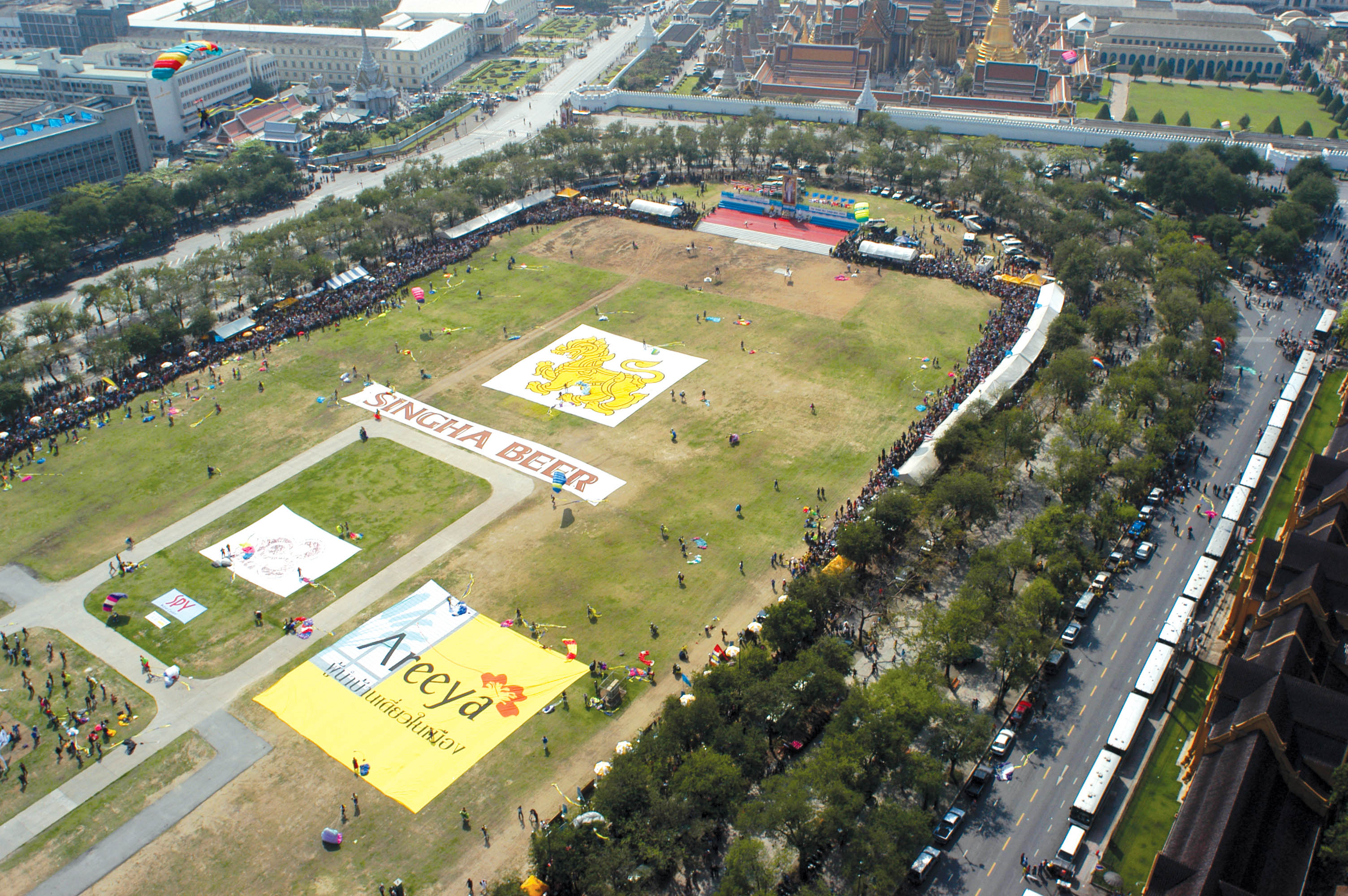
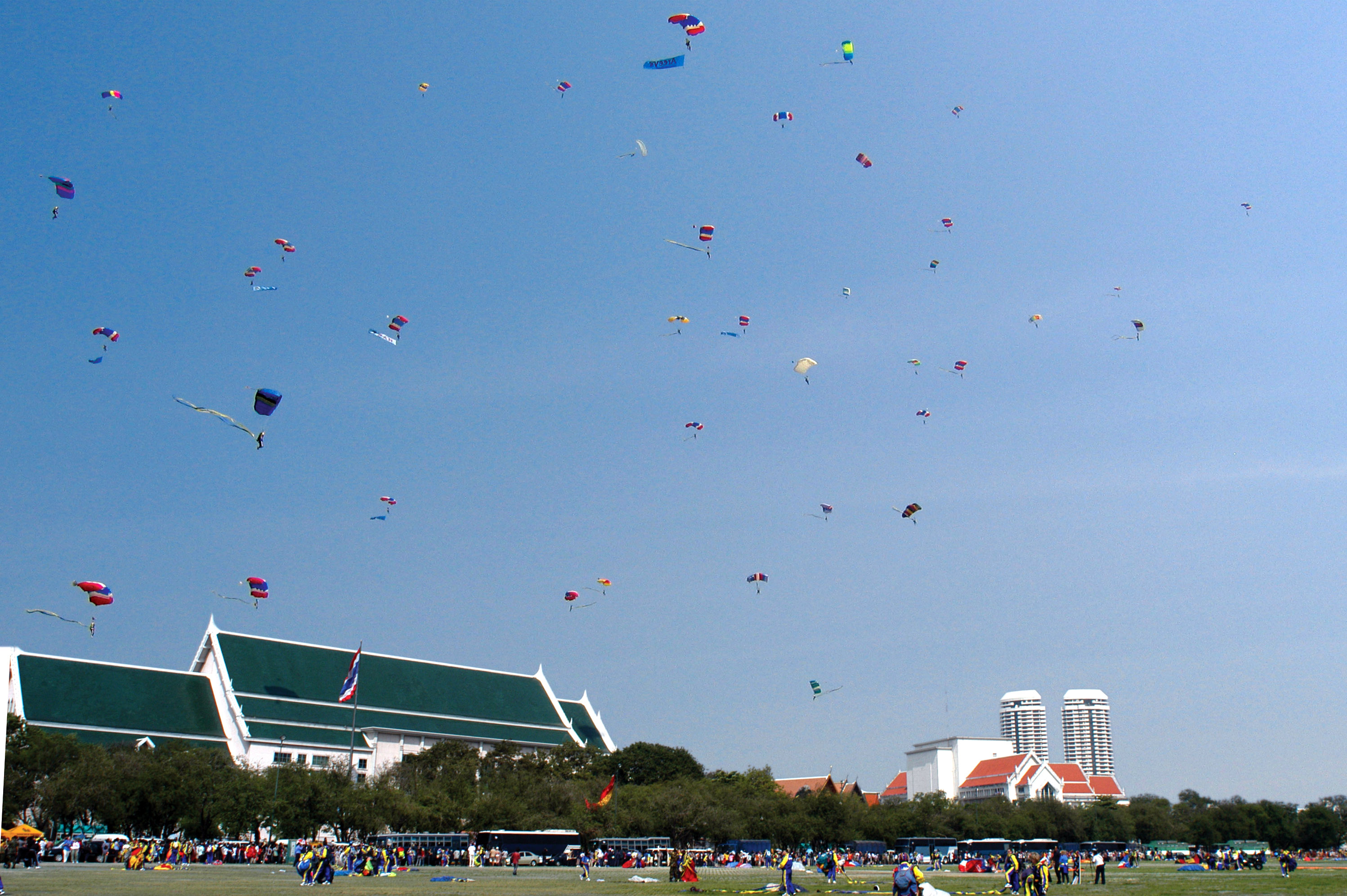
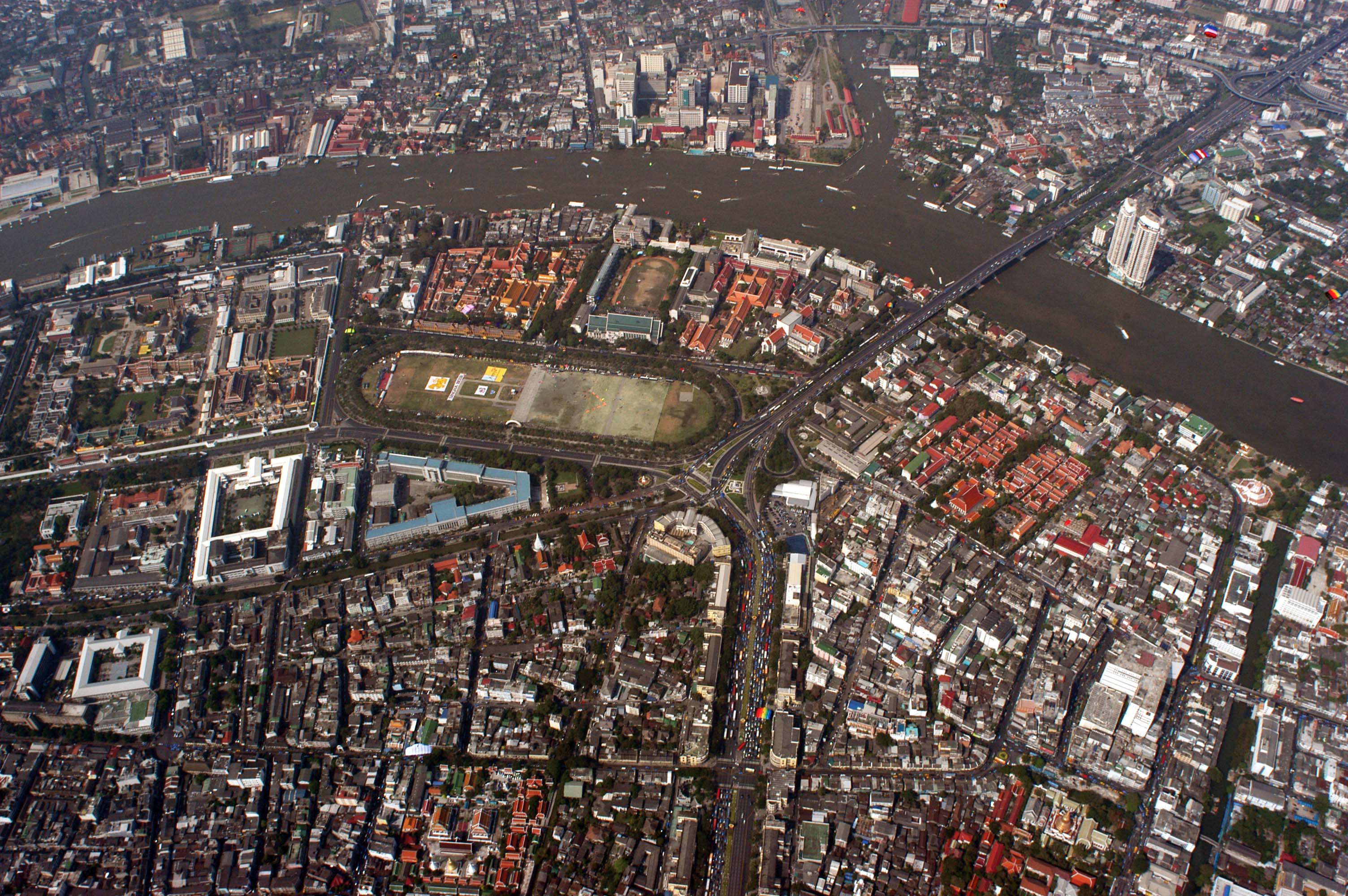
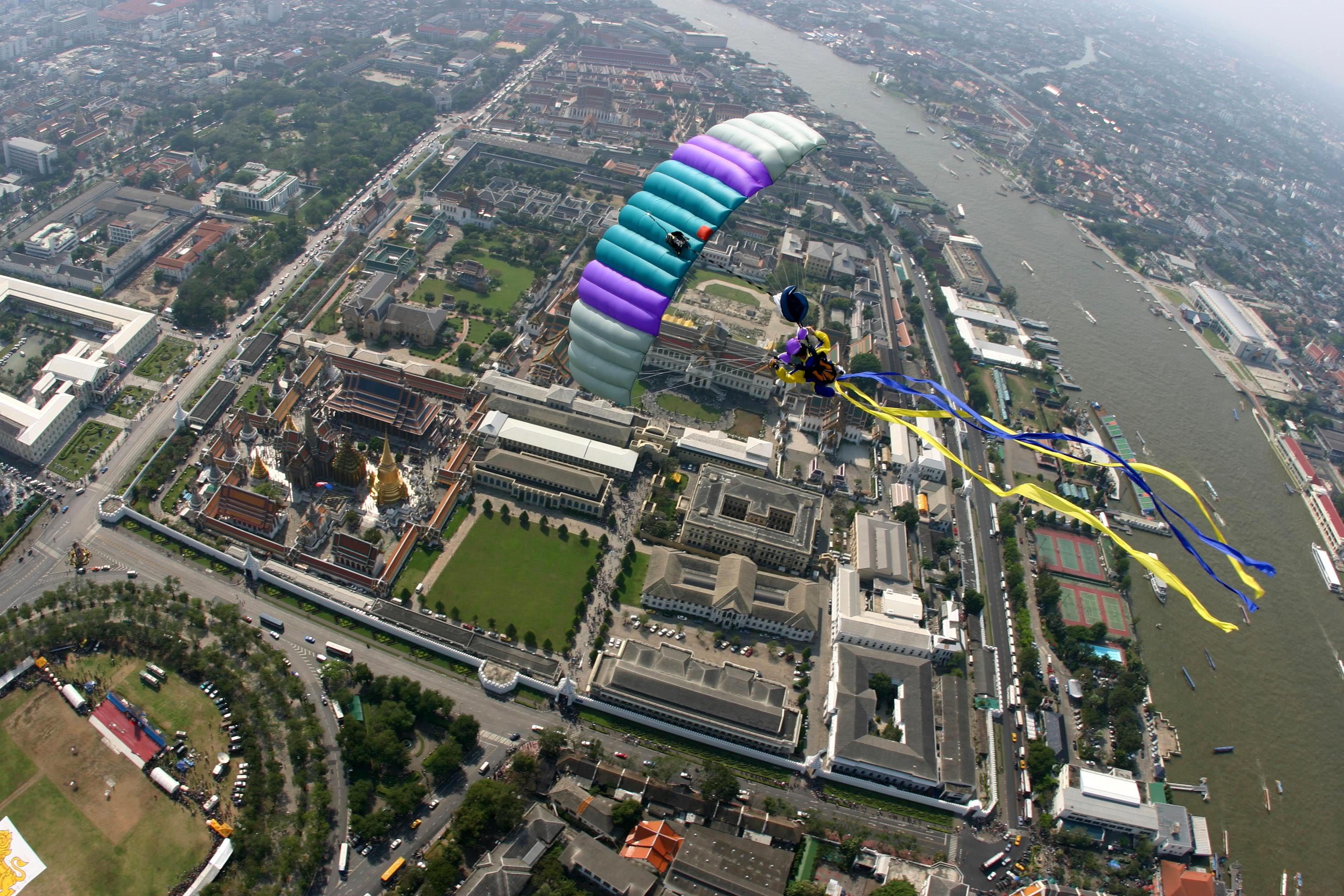
The first jump of World Team 2004 was the mass drop of 672 parachutists into Sanam Luang, downtown Bangkokm, in a ceremony to honour Queen Sirikit of Thailand. But what should have been the experience of a lifetime, was for me marred by a landing that resulted in a serious injury, two years of recovery, an even longer period of reflection and some very important lessons learned. If I had known then what I share now, it would have affected my choices that day.
Lesson 1: Knowledge is power
I made the mistake that any skydiver jumping into an unfamiliar location could make; I made assumptions. I knew it was a large landing area that had been used before in a similar jump, so I assumed that it was ‘safe’. When the chance for more information was offered, I declined. Instead of going with many others to visit the landing area, I went off to explore Bangkok. When I returned on foot to Sanam Luang two years later, I realised that if I had visited the landing area, I would have chosen not to make that fateful jump. Skydiving is about managing risk; information is what helps us assess that risk. The more information we gather, the less uncertainty we face and the better our decision-making ability.
Lesson 2: Know your limits
While ashamed to admit it, I confess the only thing that mattered to me that day was being part of the team. It wasn’t that I ignored the risks. I completely failed to recognise them. I didn’t question whether I had the right skills for the jump or even question the weather conditions. I was surrounded by more experienced skydivers, some of whom had chosen not to jump, yet I questioned nothing. Often we can get away with being a sheep, an ostrich or both. But the variables I faced that day were extreme. The winds were strong and gusty, the unfamiliar landing area was surrounded by buildings creating turbulence, there were few available outs and I was to land in front of a crowd for the first time!
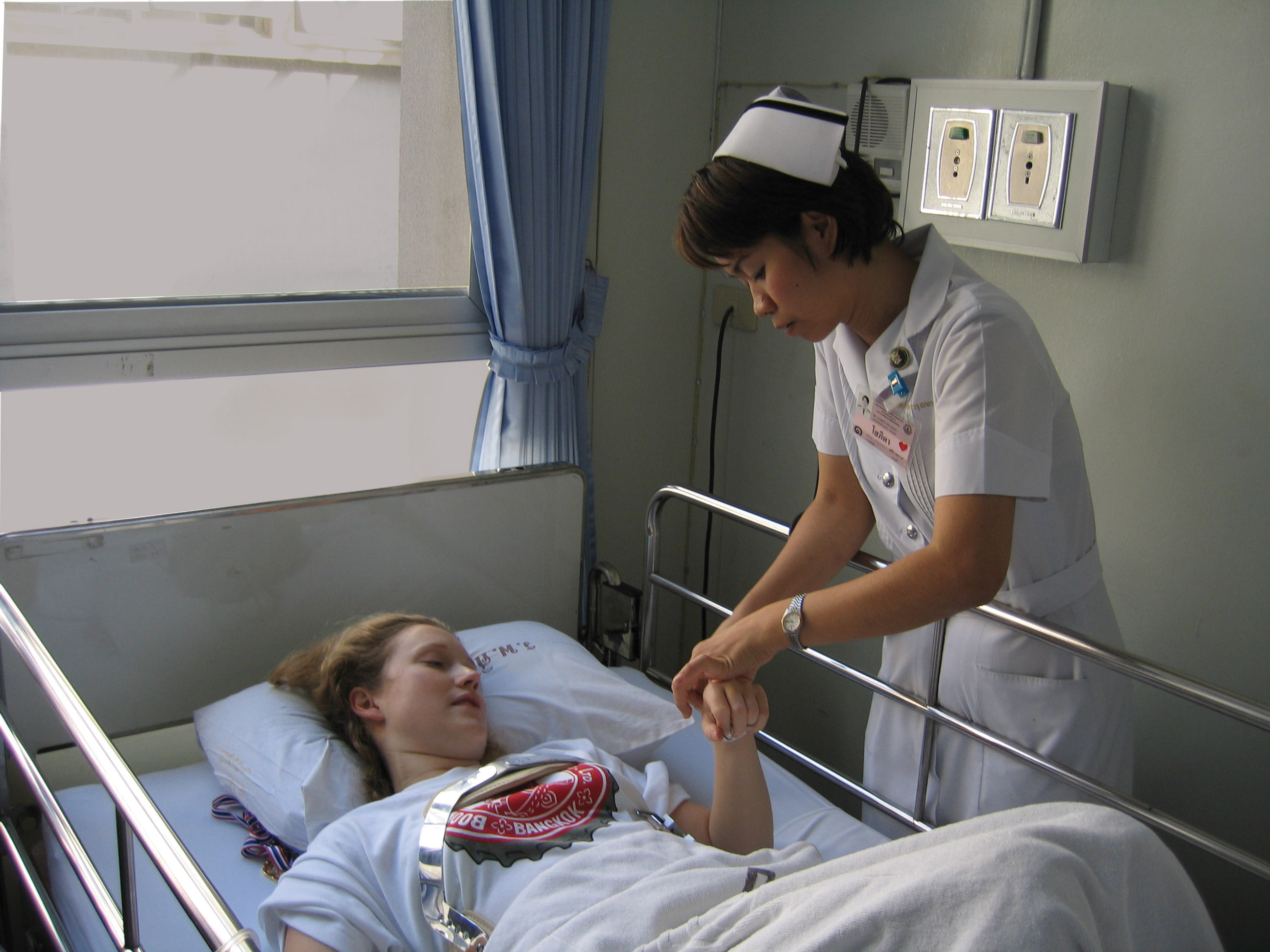
As soon as my canopy opened, I knew I had made a mistake. By then it was too late. We have all been in, or witnessed, a similar situation. Take for example the jumper who is nervous of the weather conditions but badly wants to be part of someone’s 1,000th jump. It’s so easy to fall into that trap; many of us, if we’re honest, already have. Avoid it by taking the time to question your own limits. Make your decision whether to jump independently of others – or thinking what you might miss out on! Life is precious – sometimes meeting your friends with a beer is the best way to celebrate.
Lesson 3: Invest in your canopy skills
It’s easy to blame the canopy, the weather or even the decisions of those in control when something goes wrong with a landing. Listen to people complaining on the average DZ and you’ll hear it for yourself within no time at all. I was no different – for a long time I believed that my landing accident was the result of a canopy collapse caused by crosswind conditions that threw me sideways to where I finally hit the ground. I even blamed others for allowing the jump to happen. It was two years later that I finally learnt that I simply did not have the canopy skills needed to fly myself out of trouble. Yes, turbulence was severe and there was a strong crosswind to the predetermined landing direction. Perhaps we should not have been jumping. But while others had their knowledge to rely on, I only had the PLF – except this time it wasn’t enough.
In just three days on a canopy course in Empuriabrava I discovered that, using a combination of what I believed to be appropriate steering corrections and a harness turn that I wasn’t even aware I was doing, I had flown a perfectly good canopy into the ground. Despite my conservative approach to canopy flight I had been as much an accident waiting to happen as those people who regularly make us afraid for them as they come in to land. Panic, triggered by lack of knowledge is what caused my injury. Had I made the effort to learn about my canopy sooner, I probably would have walked away from that landing. Instead, I knew nothing of how I could use my body position and risers to fly my canopy more safely – and be confident that, whether crosswind, downwind or upwind – the canopy would still do exactly what I asked of it. I only knew one of the many inputs available for an emergency situation and I hadn’t even spent time practising that one to make it instinctive under pressure.
Summary
I’ll probably never be a canopy swooper, nor will the memories of my jump into Bangkok ever leave me. Learning about my canopy has helped me overcome much of the fear I had after the accident and has even taught me to love canopy flight. The learning and reflection will never stop, but these days I am at least a confident, informed canopy pilot – not just someone with a good PLF, hoping not to have to use it.
First published in the Journal of the British Parachute Association, August 2007