




It’s a fantastic moment, to qualify for your A license – but it can be challenging to know what to do next. You’ve been focusing on a structured progression from your first jump. Now all the avenues of the sport are open to you – but what to choose, where to go?
Here’s some friendly advice from Chris Bryant on getting the most fun, value and skydiving skills from your dollar…
No-one ever achieved anything without making mistakes. The same can be said for skydiving. I learned more from the jumps that went wrong than the successful ones. If you are like me, you could spend your first hundred jumps failing new maneuvers. You may be left wondering, now that I have my A-License, what is next? I was fortunate to have excellent instructors, coaches, and mentors during my progression. While everyone may not be as lucky as I was initially, you’ll find the skydiving community is fantastic in connecting and sharing information. Below are a few key points I learned during my successes and mistakes. I hope this is a useful guide for other beginner skydivers, as they progress after graduation.
Prepare your jumps
We all start as a solo belly looking to fly with others. Stay connected with the jumpers you went through the first jump course and early skydives with and consistently jump together once you have graduated. Work through the process of organizing a jump and building a plan/dive-flow. The more ground prep you do, the more you can dissect and learn from the jump. Even without video, getting with your friends after a jump and talking about different perspectives will help you grow tremendously.
Set goals
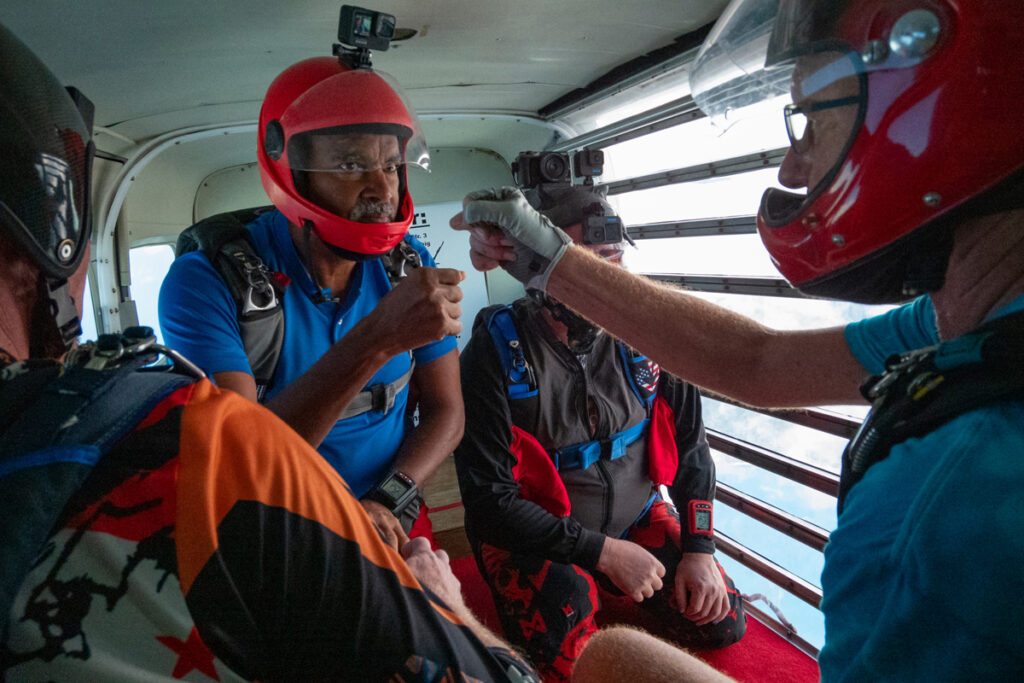
Ensure you log your jumps and record improvements; aim to better at least one thing on every jump. Having a plan, dirt-diving with purpose, watching YouTube videos, and asking instructors and coaches for advice are great ways to learn. I remember being frustrated when I would ask my friends, “What do you want to do on this jump?” if they replied, “I don’t know, what do you want to do?” Have goals and be prepared to repeat a jump multiple times to reach them. Attempting challenging, but safe new dive flows and being honest about your skill level will help everyone on the jump grow. Understand that the skydives may not always go as planned. Repetition is essential; having that awareness as a new jumper will put your mind in a suitable growth space.
Attend events
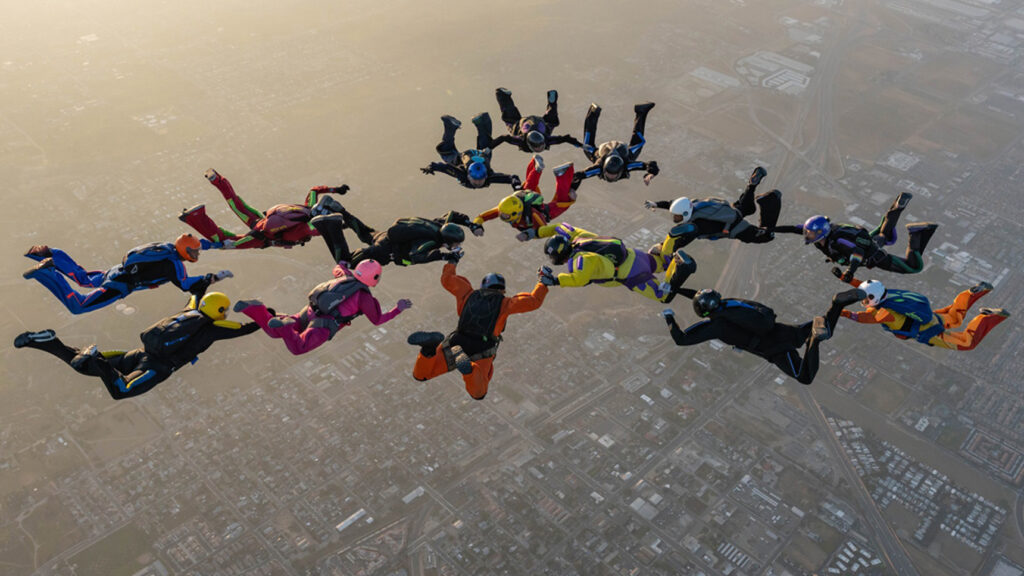
Attending an event is a great way to learn in a controlled environment, surrounded by people with a lot of experience. Understand that you will step out of your comfort zone, but as you push yourself, you will grow and progress as a skydiver. Many dropzones run “rookie round-up” style events; some offer introductions to formation or freefly skydiving. These camps are a good way to experience complex dive flows, get video debriefing from good coaches, and check off requirements for more advanced licenses. Keep an eye out for basic and intermediate level camps that offer smaller group sizes, which maximize learning and development for newer jumpers.
Get in the tunnel
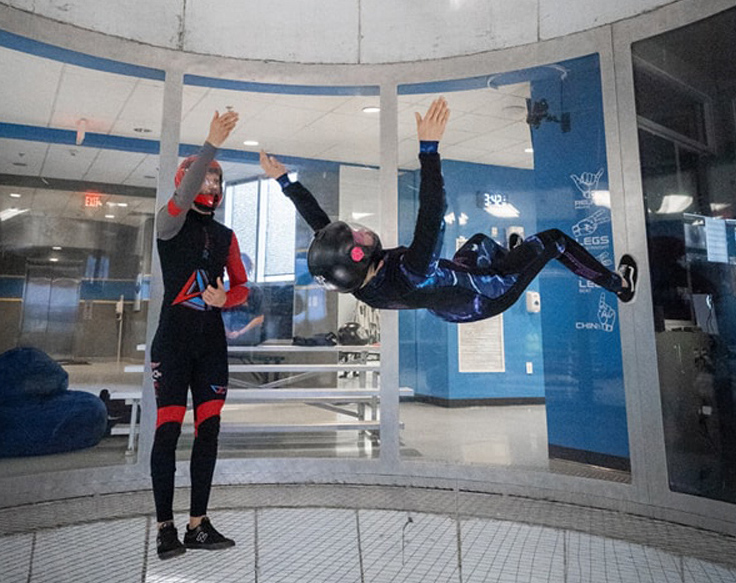
Tunnel camps are a great way to understand body flight. The advancements in tunnel flight within the last decade offer newer jumpers a chance to meet people and progress rapidly. The skills they cover and feedback provided will help you develop as a jumper. Most tunnels offer third-person footage for excellent debriefs. One on one coaching in the tunnel may be the best value for your dollar, especially if you’re still using rental gear. Indoor flying also helps maintain your skills during times you may be away from the DZ due to work, school, family, weather, etc. It also enables you to fly safely in different orientations with certified instructors. Some free sources I recommend are Axis Flight School, and Human Aerodynamics, who post several excellent teaching videos on YouTube and their websites.
Go on canopy courses
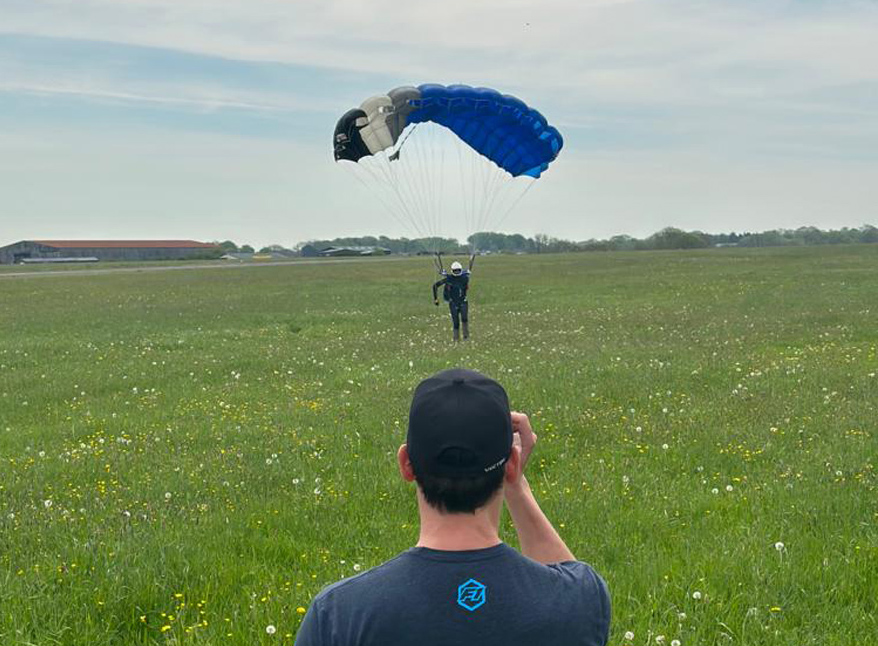
Consider taking a canopy course somewhere around jump 30. The tools and focus on the canopy flight displayed in these courses set jumpers up for success. As a coach, I learned that our most overlooked skill is our canopy piloting. Considering that most skydiving accidents happen right above the ground, I always put particular focus on them and allot time to go over the canopy drills with my students. As a great instructor once said, flying your parachute successfully is the only way you’ll be able to skydive again.
Flying your parachute successfully is the only way you’ll be able to skydive again
Introductory canopy courses are offered by Flight-1, Superior Flight Solutions and Alter Ego Project among others. Canopy training is a great way to progress and learn to fly your wing safely. Reputable canopy coaches will often conduct classes for small groups; this is something I still take advantage of monthly at my home DZ to continue to progress my canopy skills. It also lets me split the cost with friends to make it affordable and efficient training. Avoid the trap of downsizing early, you will become a much better canopy pilot by staying on the same canopy until you’ve learned to master all modes of flight.
Understand spotting
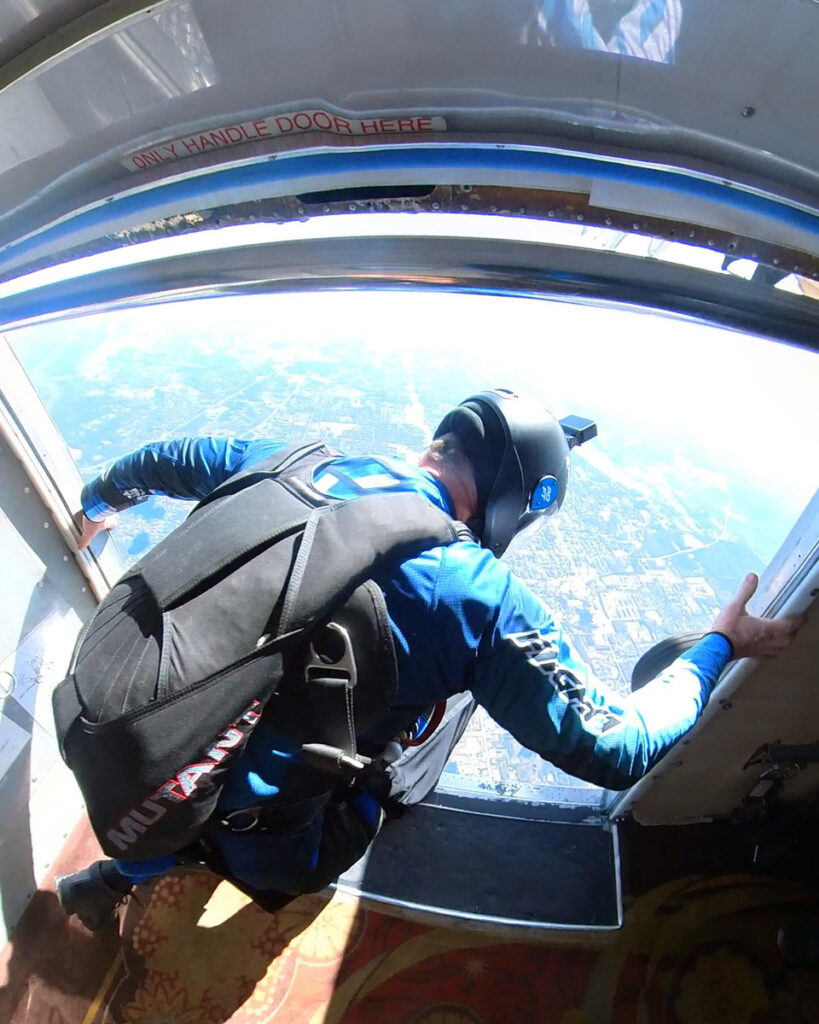
It’s very beneficial to talk with experienced jumpers and pilots about spotting and aircraft safety. Speaking with pilots about let-out points, winds and determining TOT can help build a safe skydive that allows us to become stewards of safety. Focus on understanding spotting, and examining winds at various altitudes.

Focus on an area of interest
As you take in all things skydiving offers, you will likely find a particular skill or discipline that interests you. Take some time to evaluate your goals and develop a plan to persue them. Maybe it’s just to having fun and hang out with friends, and that’s okay! Perhaps you want to compete in FS or freestyle or wingsuiting. Whatever it may be, having goals and directing your own training progression in a specific area will keep you developing, and that’s enjoyable. Goals decide where you want to spend your money for the most rewards by focusing in a specific area.
Commit to safety
Make a lifelong commitment to safety. Asking the hard questions can be uncomfortable, but preventing accidents or even worse is worth it. Check your gear, check your buddy’s gear, keep alert and always ask questions if unsure about anything. Read safety articles (Skydive Mag is a great free resource), discuss incidents with instructors/coaches and make smart choices about gear and weather conditions.
Be safe and have fun!