
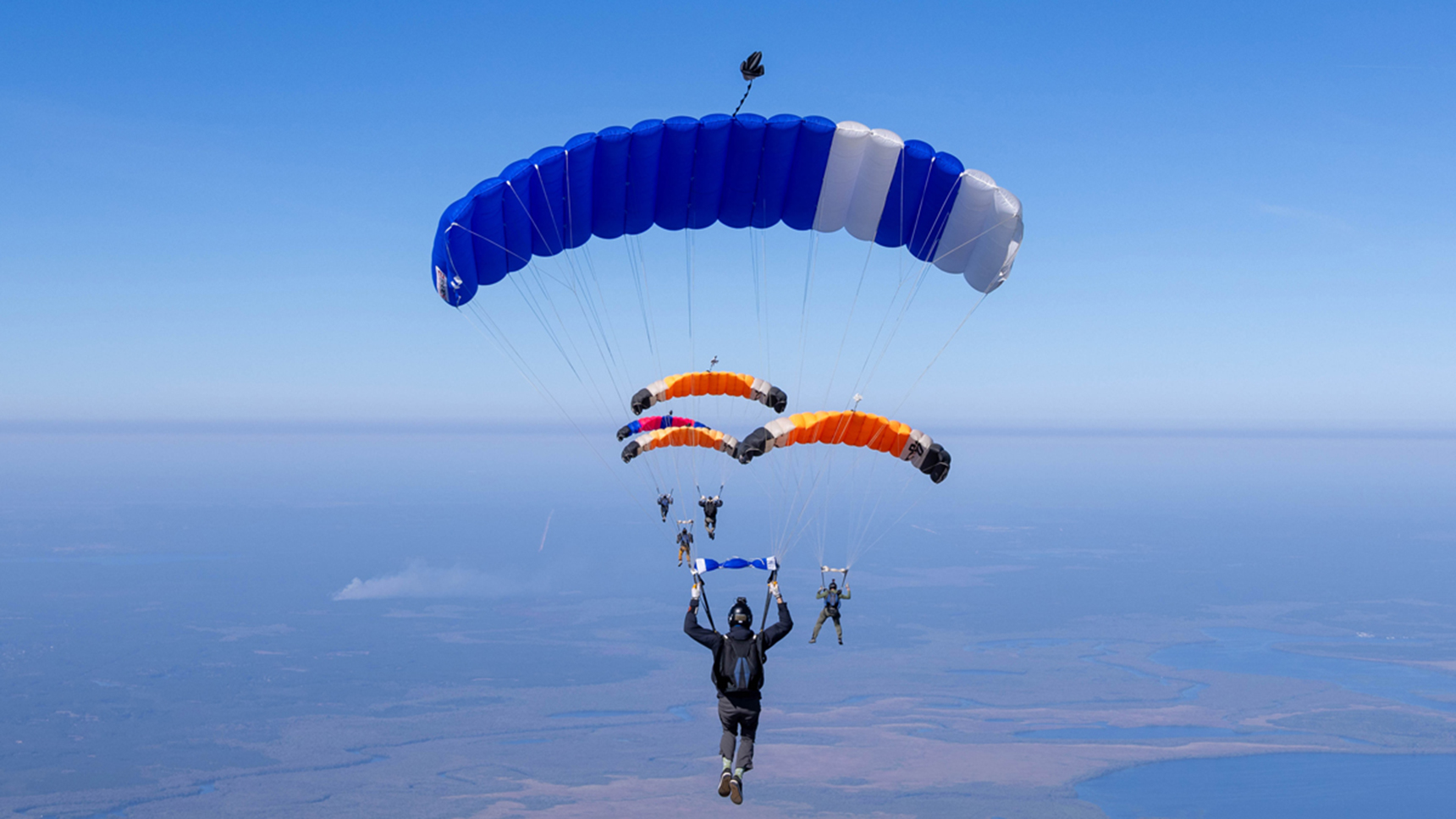





Flight-1’s Jason Dicenzo breaks down five common mistakes that developing canopy pilots should avoid
Choosing the right canopy and developing the right piloting mindset plays a massive role in both enjoyment and safety under canopy. Many of the issues and mistakes I have witnessed weren’t caused by lack of ability, but by rushed decisions, misplaced priorities, and avoidable shortcuts in progression.
Below are five of the most common canopy related mistakes I’ve noticed beginner skydivers/ canopy pilots make. Remember we are all canopy pilots from our very first jump.
#1: Flying the Wrong Canopy for Your Experience
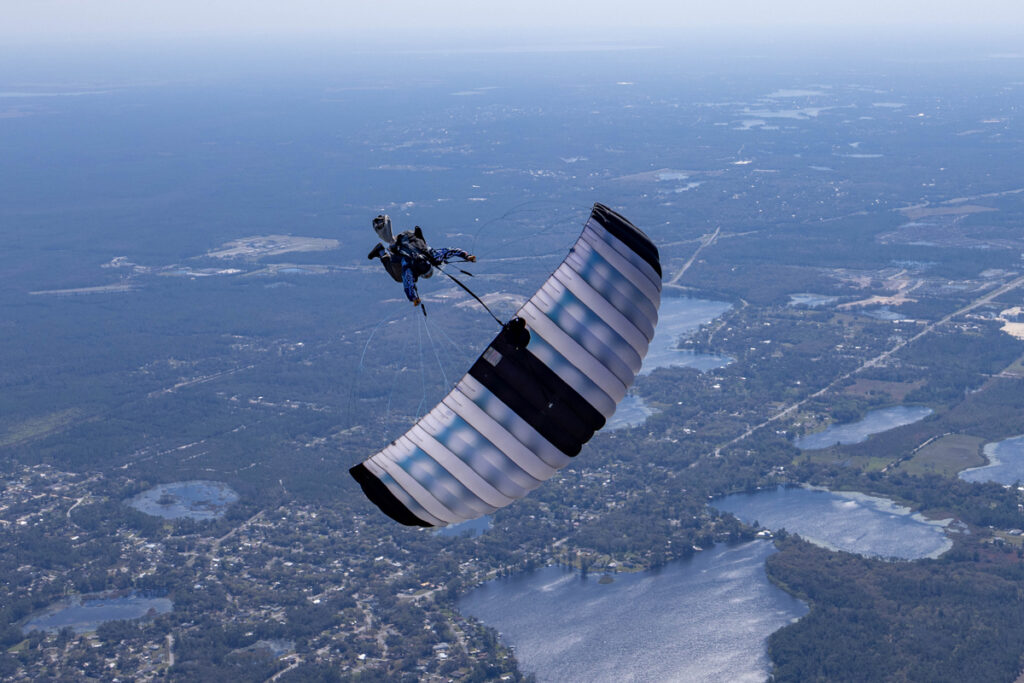
Flying a canopy that truly matches your skill level and experience is one of the most important decisions you’ll make as a skydiver. Yet one of the most common mistakes I see is new jumpers flying the wrong wing for where they currently are in their canopy piloting progression. There are of course multiple reasons this occurs. One of these reasons is simply because the canopy was a good deal or convenient to buy while not realizing that it isn’t the ideal wing for them. Price and convenience alone should never be the deciding factor when choosing a canopy.
Another common reason is only considering wing loading. Being under a wing that is too sporty and aggressive for where you are in your progression can quickly create hazardous situations, even if the wing loading is relatively light. Canopy design, planform, trim, and handling characteristics all matter and should be considered when choosing the right canopy, instead of only considering wing loading.
This is where mindset becomes so important. Many newer canopy pilots fixate on wing loading, and wing loading alone, not considering the other factors listed above. “But I’ll only be loading a 135 at 1:1!” is a phrase I’ve heard far too often. While wing loading is an important factor, it’s only one piece of a much larger picture. Chasing a wing loading without understanding how a specific canopy behaves is a recipe for disaster.
Long-term goals also need to be part of the conversation. Do you want to pursue high-performance landings and swoop in the future? If so, how you get there matters just as much as where you end up. One of the most frequent mistakes newer canopy pilots make is downsizing too quickly and sometimes even skipping sizes entirely. Spending adequate time on larger canopies allows you to build accuracy, consistency, and strong fundamentals in a far more forgiving environment.
Even if your end goal is a small, highly loaded wing, that goal doesn’t excuse rushing the process. Paying your dues on bigger canopies isn’t holding you back, it is what builds the right habits, allowing you to safely and effectively pilot more demanding wings later on.
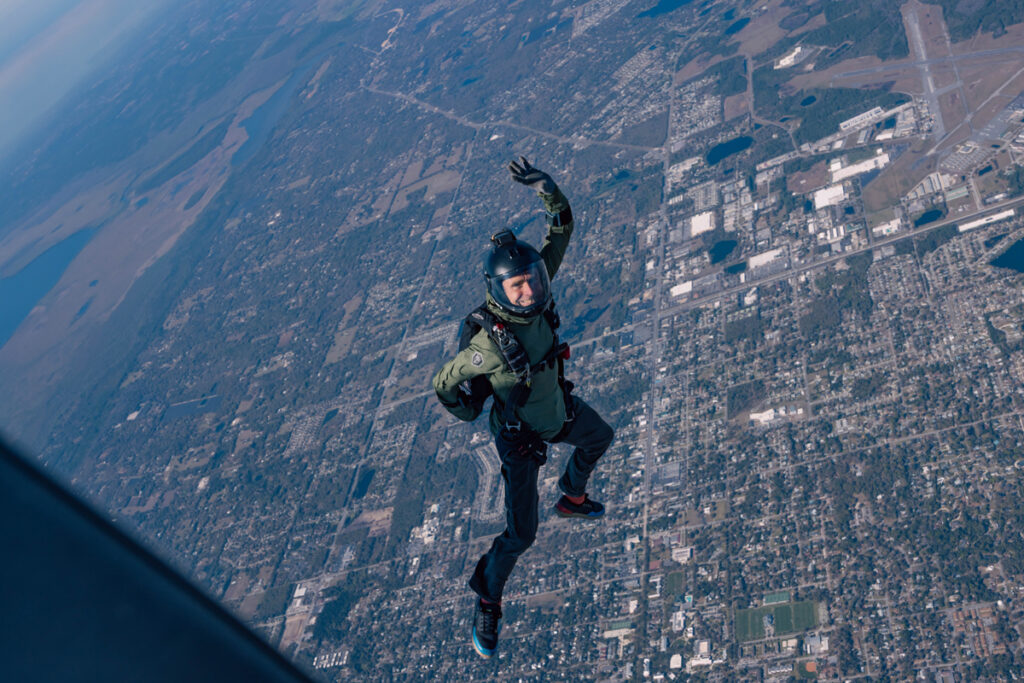
Photo by Buzz
#2: Not Dedicating Hop and Pops for Skill Development
Who doesn’t enjoy a fun freefall jump with friends? Even if jumping with your buddies is what drives you to the dz, dedicating time to do hop and pops or high pulls is one of the most effective ways to improve canopy skills.
These jumps typically involve less traffic and sometimes no traffic at all, making them an ideal environment for focusing on canopy skills. Especially when practicing more dynamic or aggressive inputs. Canopy skills aren’t something you learn once in a course and move on from. They require repetition to build true understanding and confidence, just like all other skydiving skills. There are too many canopy skills to list here, but dedicating some hop and pops to practice essential skills like flat turns, pitch recovery, and turn recovery will prove to make you a much more capable and prepared skydiver/canopy pilot.
One of the biggest takeaways from canopy courses is realizing how much control range modern canopies offer. Glide ratios can be significantly changed to our benefit by utilizing different inputs, yet many jumpers fail to use those tools when they find themselves out of position, whether before entering the pattern or while already in it.
Often, this comes down to comfort. Jumpers who spend most of their canopy time in full flight naturally become accustomed to that airspeed, wind noise, and overall feel. Anything else feels unfamiliar, and unfamiliar often feels unsafe. The goal should be to feel equally comfortable using all available inputs so that when deciding to switch to brakes or rear risers to benefit the situation, the decision feels natural. A few hop and pops spent flying in half to three-quarter brakes for a few thousand feet can go a long way toward building that comfort.
#3: Incomplete and/or Asymmetrical Flares
Finish your flare, symmetrically.
Failing to finish the flare or flaring unevenly is one of the most common mistakes beginner canopy pilots make. Often the initial phase looks good, but the landing still ends in a slide or PLF. More often than not, the issue is unused or misused flare power and/or not being symmetrical.
Modern canopies have an impressive amount of flare power. Using all of that power appropriately during the flare is essential for consistent stand-up landings. Leaving flare power unused results in harder landings than necessary. With proper technique, symmetry, and a complete flare, most of our jumps can end with a stand-up landing, even in no wind. This makes for a safer and far more enjoyable end to the skydive.
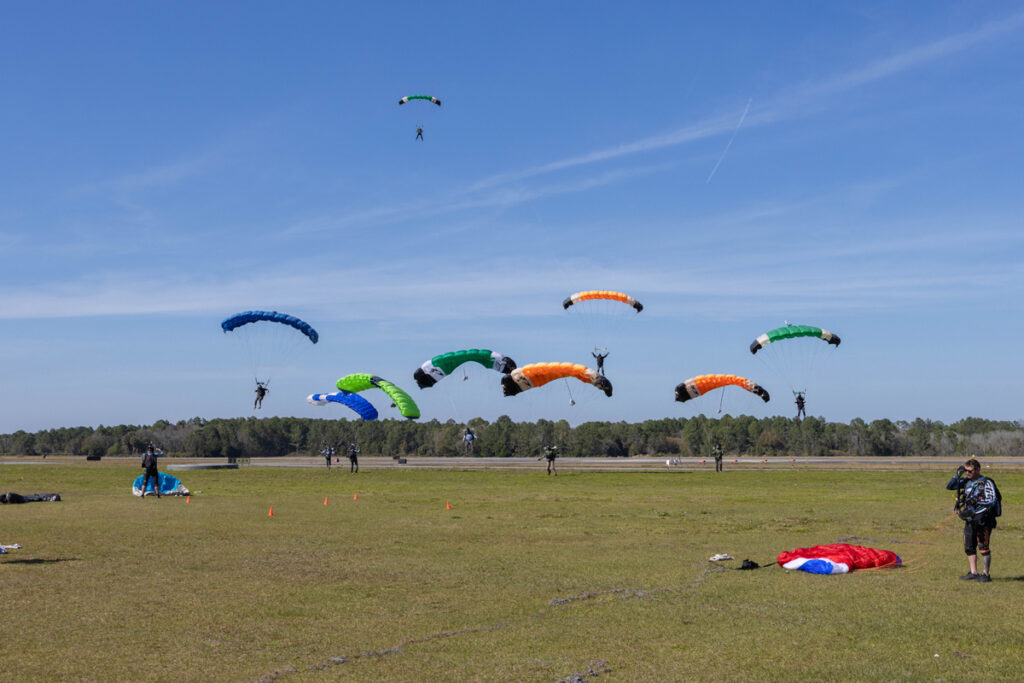
Photo by Buzz
#4: Jumping in Inappropriate Conditions
“It’s better to be on the ground wishing you were in the sky, than to be in the sky wishing you were on the ground.”
It’s a saying every skydiver has heard, and it exists for a reason. One of the most common mistakes newer canopy pilots make is jumping in conditions that exceed their current skill level. Excitement, peer pressure, or the fact that you drove a long way to the drop zone are never good reasons to push weather limits.
There are conditions that are challenging to even the most experienced jumpers. Just because someone with thousands of jumps can safely handle certain conditions doesn’t mean someone with a few hundred jumps can handle the same. Lots of drop zones have different restrictions when it comes to grounding certain license groups based on conditions. It is important to use the dz restrictions as guidelines but still evaluate for yourself if you are comfortable with the conditions. Simply making this decision based on wind speed alone is not sufficient. We also need to consider the gust spread and other forms of turbulence too, like mechanical and thermal turbulence. If you find yourself unsure if you should jump or not, play it safe and stay on the ground; when in doubt, sit it out.
#5: Delaying Canopy Coaching
Procrastinating on getting canopy coaching is one of the most overlooked mistakes in skydiving. Without early coaching, it’s easy to develop poor habits without realizing. Unfortunately, these habits then become deeply ingrained over time and become hard to break.
Breaking bad habits is far harder than learning good ones from the start. Investing in canopy coaching early builds strong fundamentals, increases confidence, and significantly improves long-term safety. If being a competent and consistent canopy pilot matters to you, coaching shouldn’t be an afterthought, it should be a priority.
Photo by Buzz
Be Safe Out There
Canopy flight is where we spend most of our skydive, not in freefall, and it is where statistically speaking we are most likely to get injured. The mistakes outlined here aren’t about being reckless or unskilled but usually the result of impatience, misplaced confidence, or simply not giving canopy flight the attention it deserves. Every jumper, regardless of experience, is a canopy pilot first and foremost.
Choosing appropriate equipment, investing time in focused practice, respecting conditions, and seeking quality coaching are markers of smart progression. The jump doesn’t end when freefall does, and treating canopy flight as an afterthought is one of the easiest ways to cut a promising skydiving career short. Build strong habits early, stay honest about where you are in your progression, and let consistency (not ego) drive your decisions under canopy.
Like this article? Read more about canopy safety by Jason.

