
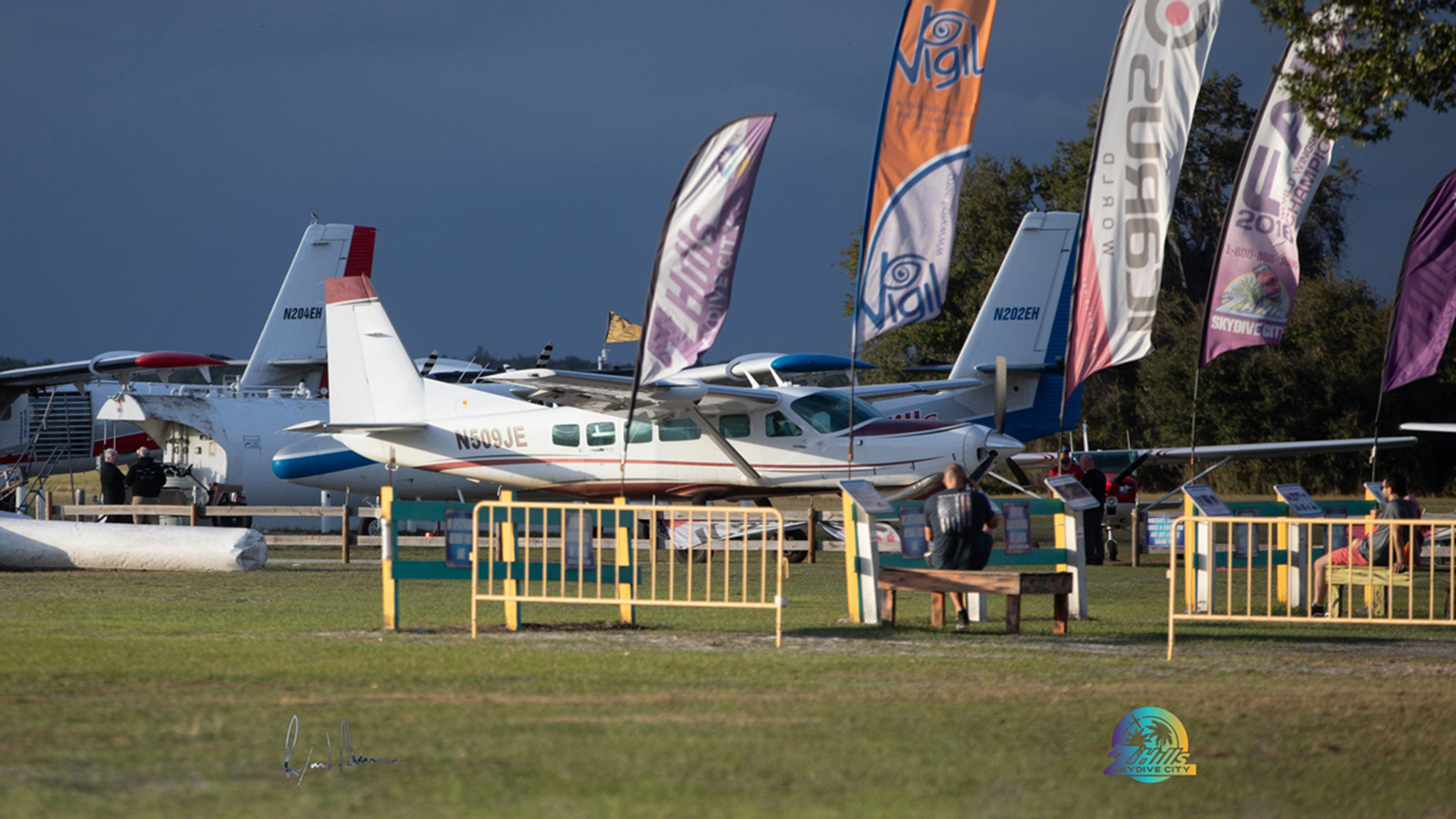





Hitting the road to check out some new dropzones this summer? This checklist covers everything that should happen before you get on the first load.
Travelling the world and jumping into new DZs is one of the things that makes our sport as great as it is. Jumping at a new and unfamiliar location doesn’t have to be stressful or risky if you take the time to prepare and arm yourself with knowledge of the area before your first few jumps. On the other hand, you may be the instructor or DZ operator required to impart knowledge onto visiting jumpers to keep them safe and make them feel confident during their initial jumps.
Having often found myself on both sides, either visiting a new DZ and feeling like I want more information from the brief, or being tasked with delivering a brief to jumpers about to jump onto an unfamiliar LZ for the first time, I have compiled a list of headings which sits in my phone’s notes to ensure I have thought of everything before my first jump, or to ensure I haven’t missed anything when briefing others. This article is drawn from that.
Getting Your Bearings: Centre Orientation
Of course, learning the location of the facilities at your centre is important to begin with, such as: reception, manifest, toilets, cafe/food/shop, flight line, classrooms/training facilities and packing area. But it shouldn’t end there. There are many more things to consider before your first jump.
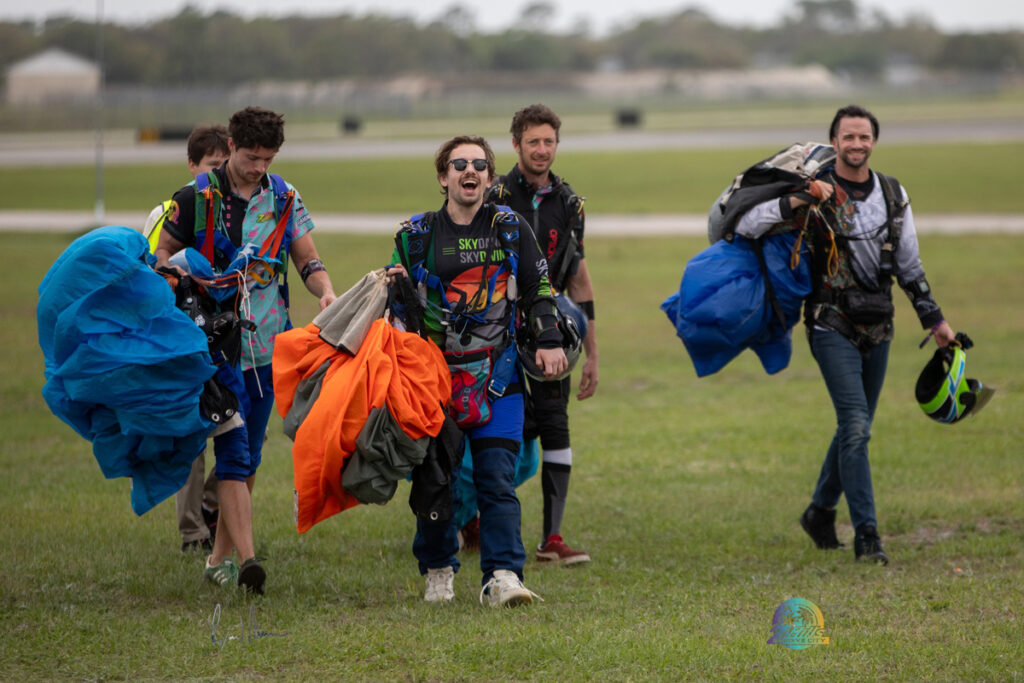
Know Where You’re Landing: Landing Area Overview
Some DZs are very easy to identify immediately on opening and from the plane while spotting, while others require using large identifying features around the area to then draw the eye over to the landing area. The locals usually have useful and creative ways to do this. Once you’ve identified the landing area, ensure you know which parts are usable and permissible to land in, including dimensions and designations such as areas assigned to students, licensed jumpers and swooping.
Every DZ will have their own conventions of indicators and markings informing traffic management, DZ rules and landing directions. Ensure you know these and what they mean. Identify the wind indicators at your DZ so you can pick them out from the air easily and quickly. Knowing which areas serve as good overshoots or options for out-landings makes such a landing less stressful if you are faced with one. Sometimes an area looks like a good place for an out-landing from the air when in fact it is full of hazards which only become apparent when it is much too late to avoid them or select an alternate. Every DZ should have a way to communicate the current winds aloft, run-in, spot and exit separation to jumpers, so make sure you know where that information is published.
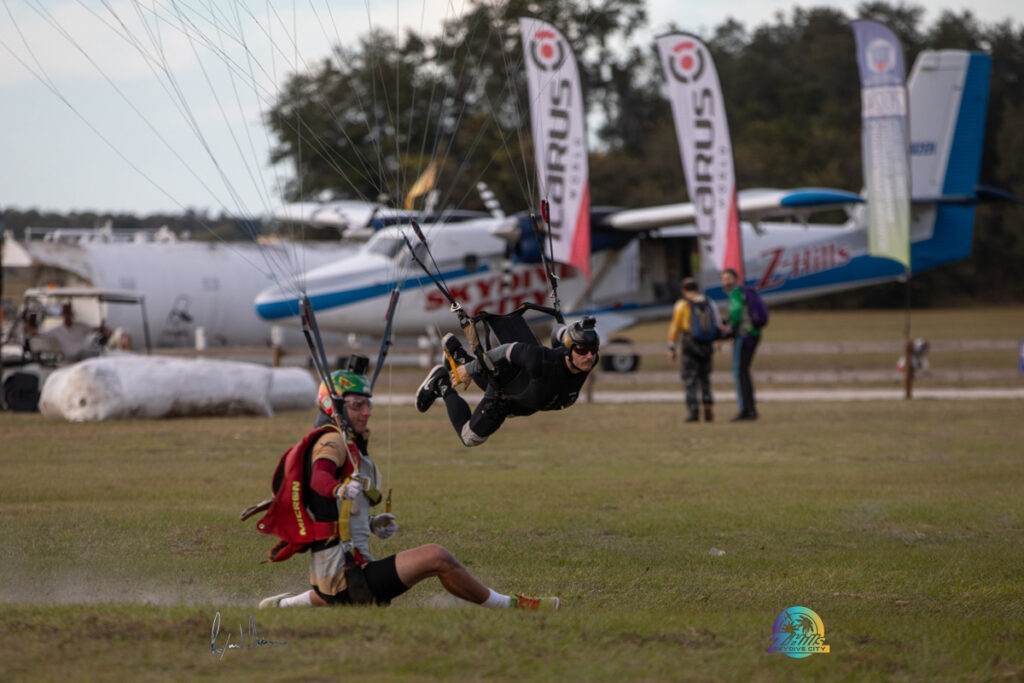
Runway Rules
Whether you’re jumping at a busy airport with multiple runways or a quiet airstrip with a grass runway, everywhere will have its own way of managing the area. Know which runways are active and inactive. Check what the rules are regarding overflying runways and any specific rules if you need to cross a runway on foot once you’ve landed. There may be designated crossing points. Know the location of emplaning points and the procedure, including whether there are steps to operate. Recovery off the DZ could be as simple as walking back to the packing hall, or you may need to board transport to get back. Some DZs require jumpers to check in once safely on the ground to account for everyone on a load.
Hazards On and Around the DZ
Ensure you know about any hazards on or around the landing area and the overshoots which surround it. A DZ orientation brief should include all known hazards in the vicinity. A lot of DZs now have aerial photos with these marked on them, which is a great idea. Hazards can generally be categorised as:
- Powerlines/telegraph poles: important to know the location of these as most of the time they are very difficult to spot until it is too late. Any power lines which cross seemingly potential off-landing areas such as fields or roads are of particular danger as they can reduce the usable out-landing area.
- Water hazards: as a minimum, know the depth, current and sub-surface hazards.
- Trees/woods: how tall are the trees and how dense or sparse is the wood?
- Buildings: how tall are they and what hazards are around them?
- Roads and runway locations, and minimum altitudes for overflying.
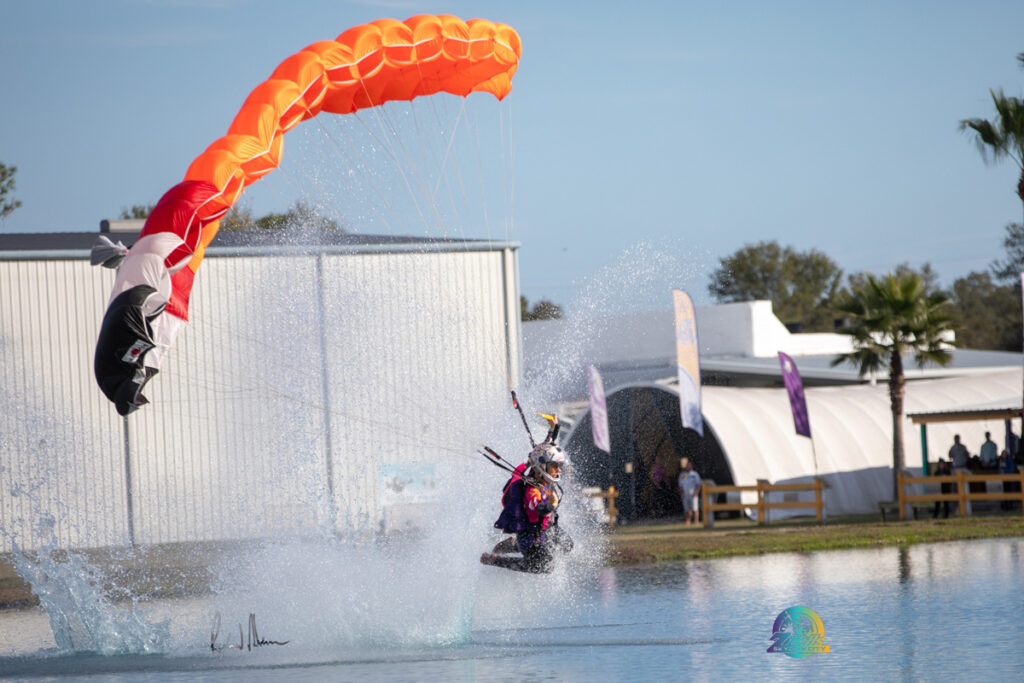
- Unusual hazards such as wind farms, tall antennas, zoos (not joking), fenced off areas where exit would be difficult, and wind tunnels which can have a detrimental effect on your canopy if you overfly them.
- High ground: if an off-landing area is at a different elevation to the DZ, your altimeter will be off. If the off-landing area is higher than your DZ, you think you have more altitude than you do and could make a low manoeuvre. If it is lower, you are higher than you think and will glide further than expected under canopy on finals, possibly overshooting into hazards.
- Banks: hitting an embankment of any kind on landing will cause a sudden stop and injuries, versus sliding or running out a landing on a flat surface.
Aircraft Procedures
Up to what altitude are seatbelts required to be worn, and how do you operate them? Familiarise yourself with the seating plan so you are not holding the lift up when it comes time to board. Is it possible to have the door open in hot temperatures, and from what altitude is the pilot happy for you to open the door if you are seated near it? How does the pilot communicate with jumpers, usually via lights? Where are the lights located? Make sure you also know the aircraft emergency procedures at this DZ.
A Few More Things Worth Knowing
Some miscellaneous points that come up from time to time:
- If you land off in a certain location there may be a particular route to walk out to the nearest pickup point, which may not necessarily be the shortest way back to the DZ. Staff will know about these and can brief you.
- The DZ may have good or tense relationships with landowners. Sometimes it is worth knowing what kind of reception you may get if you land off in a particular area or go searching for a cutaway canopy.
- There may be other aerial or hazardous activities in nearby airspace or in the same airspace that you need to be aware of.
Always take the time to familiarise yourself with a new area. Make decisions early if considering an out-landing, keep jumps simple by jumping in smaller groups, and fly less complex canopy manoeuvres until you’re comfortable with the area and your surroundings.


