




From repetitive training drills to late-night tunnel sessions, competitive indoor skydiving demands work, discipline, and obsession
Choosing Your Discipline
In every sport, when an athlete decides to step into the world of competition, the approach needs to change in terms of commitment and discipline. In indoor skydiving, it’s common to choose and focus on a specific discipline, as there are several, and each requires a different type of training.
Dynamic vs Freestyle
The most common disciplines are dynamic and freestyle. They are quite different from each other, but both require a high level of effort, tunnel time, and commitment. The level of competition in both disciplines is now very high, which means that if a rookie wants to enter the scene, they need to work hard just to reach the overall standard.
The Reality of Training
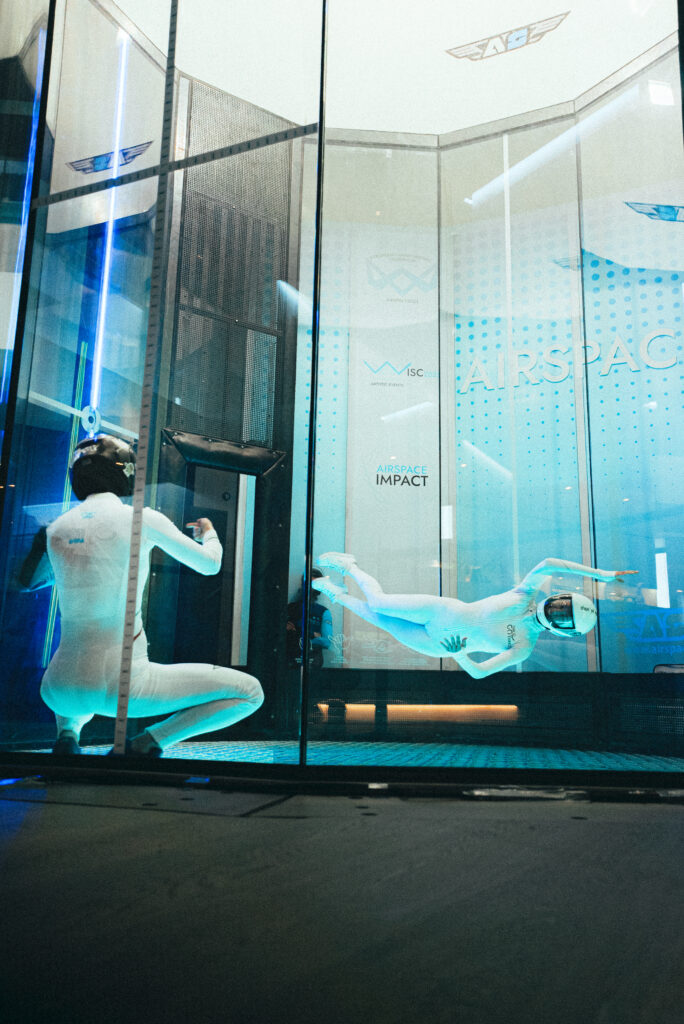
Training for the dynamic discipline, whether SOLO, 2-way, or 4-way, is mainly based on learning draws or speed rounds, essentially every element, and performing them as fast and as accurately as possible, using the space efficiently and staying tight to the lines.
It is very comparable to martial arts training. You repeat the same movements over and over until they are ingrained in your muscle memory, allowing you to perform them under pressure, such as during a competition round.
How Much Tunnel Time?
When we talk about training, a common question is how many hours of tunnel time a flyer needs to reach a competition level. The answer is quite simple: the more, the better.
Of course, some athletes learn faster than others depending on their talent or starting skill level, but what really makes a difference is the approach to training. Every second in the wind during competition training needs to be efficient and well planned, especially when working with a teammate, where communication must be short, precise, and effective.
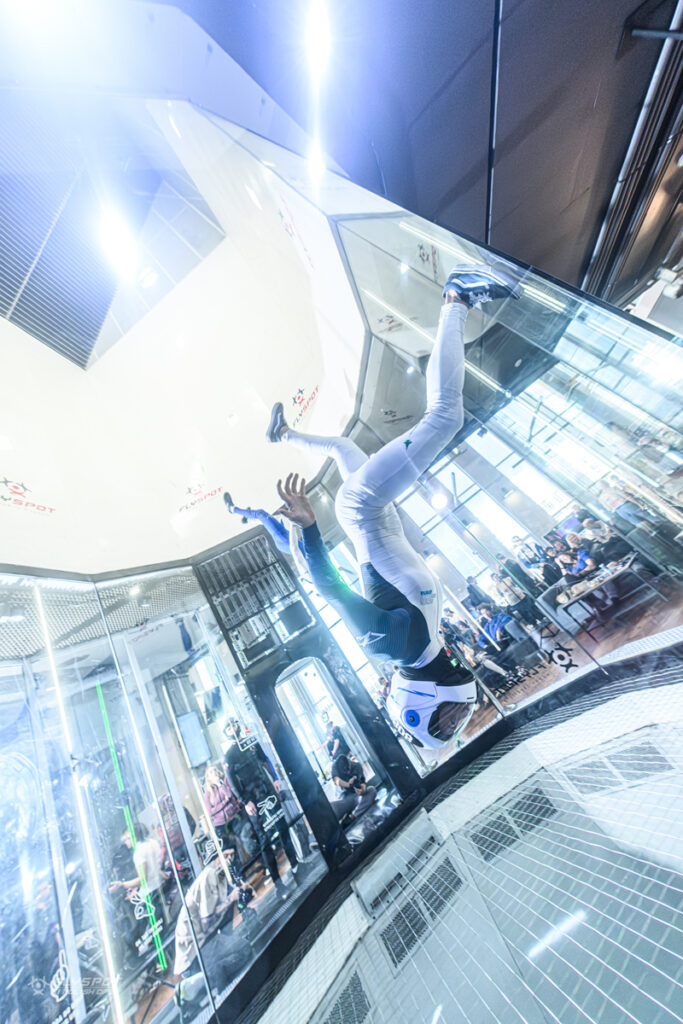
Photo by Jere Byman
Finding the Right Team
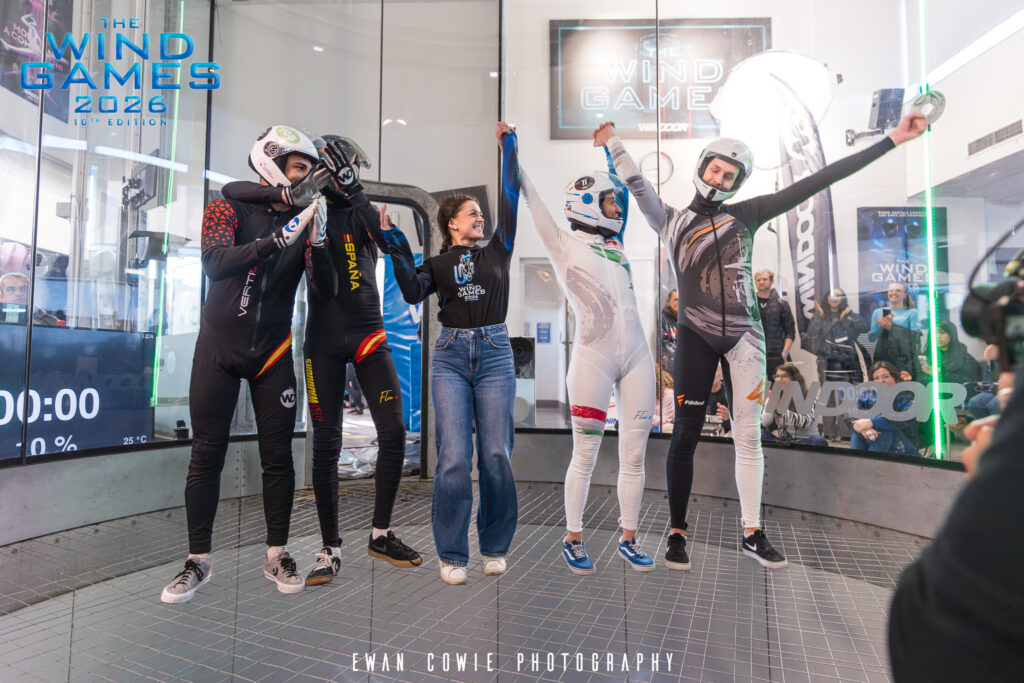
Finding a team is always an interesting process. It is not only about finding someone with the same level, but also someone on the same wavelength – someone willing to work hard through stress, fatigue, and sometimes frustration, especially after a result that needs to be processed and improved together.
When the right person is found, the team’s performance can increase exponentially. Being part of a team is often more intense and deeper than a typical relationship, because you share both defeats and victories together. These strong emotions are not always easy to find elsewhere.
Physical Training Matters
Beyond flying, training, and mindset, it is also important to have a well-trained body.
There is no other sport that directly replicates flying, but having a strong core, endurance, and overall conditioning is a major advantage. It not only supports performance but also helps prevent injuries when pushing the body to its limits during competition periods.
Early Mornings, Late Nights
Most athletes train during times that don’t interfere with daily responsibilities, which usually means early mornings or late nights.
Personally, I love early morning training. It can be difficult to wake up, but it always brings a strong sense of discipline and commitment. In the end, it never feels like a burden, because we all share a deep passion for flying.
The Next Generation
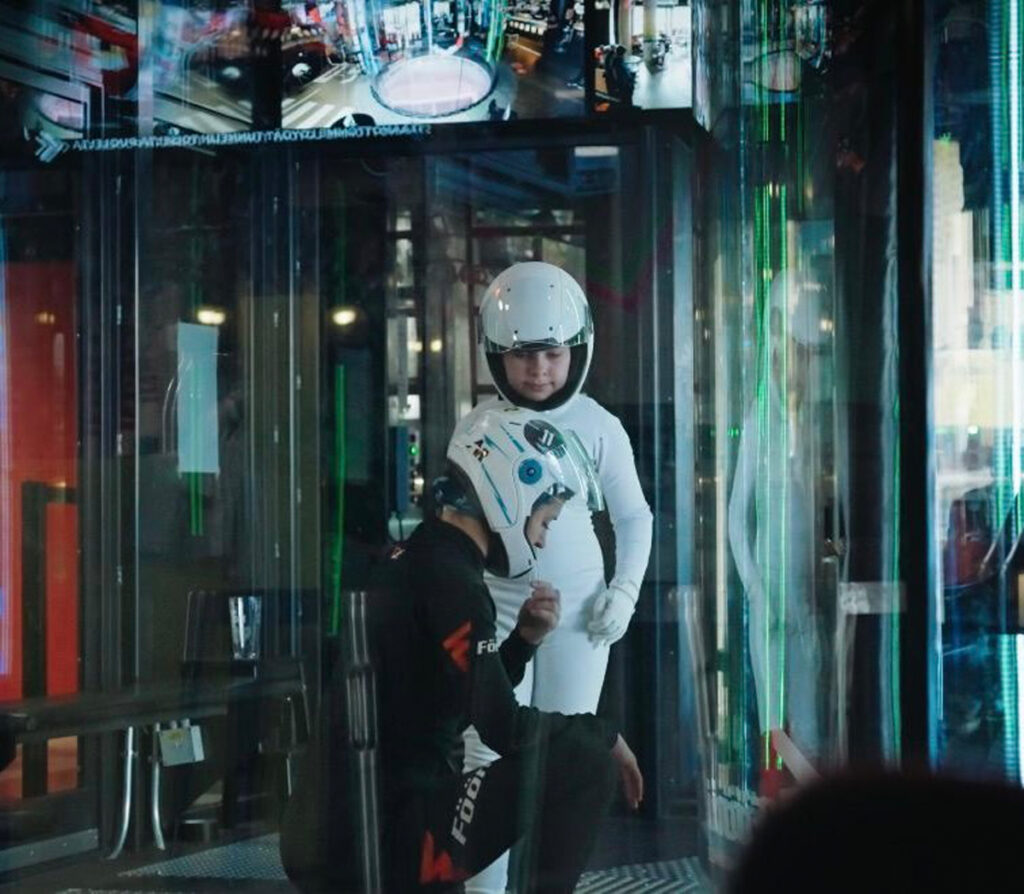
Another interesting aspect of the sport is the junior category across all disciplines. Young athletes, from as young as 8 up to 16 years old, are already competing at high levels. They are proof that the sport is constantly evolving and that a new generation is always coming through.
What It Takes
My personal advice to anyone who wants to enter the world of competition is simple: be ready. Flying at a competitive level requires a strong mindset, full commitment, and the willingness to sacrifice parts of your life for the sport. If you are willing to do that, the results will come.
Winning goes to the hardest worker in the room…the one who wants it more than anyone else.