



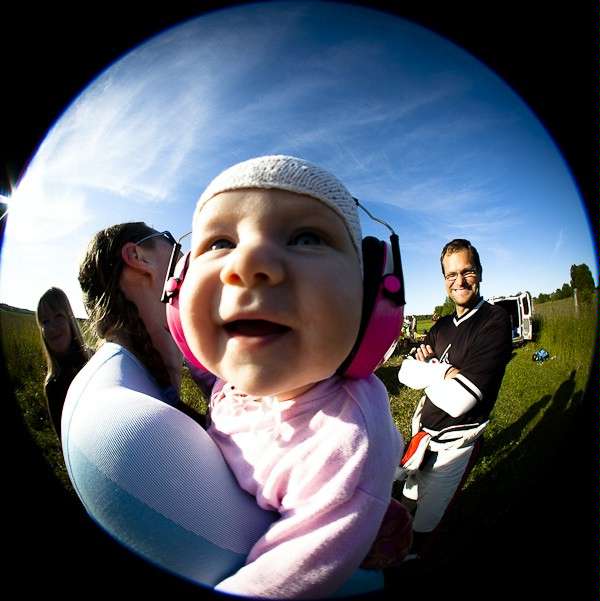
More and more skydivers are choosing to wear ear plugs on the ride to altitude. Excessive noise exposure is the most common cause of hearing loss. If noise is loud enough and lasts long enough, it can damage your hearing.
The damage caused by noise, called nerve deafness, can be caused by several factors other than noise, but Noise-Induced Hearing Loss (NIHL) is different in one important way – it can be reduced or prevented altogether.
Noise-Induced Hearing Loss (NIHL)
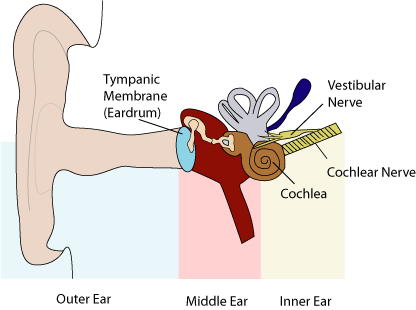
NIHL occurs when too much sound intensity is transmitted into and through the auditory system. An acoustic signal from an energy source, such as a radio or an aeroplane, enters into the external auditory canal, and is funnelled through to the tympanic membrane (eardrum). The eardrum acts as an elastic diaphragm and drives the chain of small bones of the middle ear system into motion.These bones transfer mechanical energy to the cochlea by way of the stapes footplate hammering against the oval window of the cochlea. This hammering causes the fluid within the cochlea to push against the ends of the hair cells, which then transmit a signal to the central auditory system within the brain.
When the ear is exposed to excessive sound levels or loud sounds over time, the force placed on the ends of the hair cells becomes damaging, producing abnormalities of the cells. NIHL is therefore the consequence of overstimulation of the hair cells and supporting structures. Structural damage to hair cells will result in hearing loss that can be characterised by an attenuation and distortion of incoming auditory stimuli.
Any loud noise can and will damage your hearing irreversibly if prolonged
Sensitivity
People differ in their sensitivity to noise. As a general rule, noise may damage your hearing if you have to shout over background noise to make yourself heard, the noise hurts your ears, it makes your ears ring, or you have difficulty hearing for several hours after exposure to the noise.
Measuring Sound
Sound can be measured scientifically in two ways; intensity and pitch.
Pitch
Pitch is measured in frequency of sound vibrations per second, expressed in cycles per second, or Hertz (Hz). The higher the pitch of the sound, the higher the frequency. Human speech, which ranges from 300 to 4,000 Hz, sounds louder to most people than noises at very high or very low frequencies. When hearing impairment begins, the high frequencies are usually lost first.
Intensity
Intensity, or loudness of sound, is measured in decibels (dB). The scale runs from the faintest sound the human ear can detect, which is labelled 0 dB, to over 180 dB, the noise at a rocket pad during launch.
Decibel Level Examples
10 Faintest sound heard by human ear
30 Whisper, quiet library
60 Normal conversation, sewing machine
90 Lawnmower, shop tools, truck traffic
100 Chainsaw, drill, snowmobile, wind tunnel
115 Sandblasting, loud rock concert, truck horn
140 Gun muzzle blast, jet engine
At 140 decibels, the noise causes pain and even brief exposure injures unprotected ears. This is the maximum allowed noise using hearing protectors.

Experts agree that continual exposure to more than 85 decibels is dangerous. The longer you are exposed to a loud noise, the more damaging it may be. Also, the closer you are to the source of intense noise, the more damaging it is. The list below shows the maximum time of exposure to loud noises before irreversible ear damage occurs, these figures will protect 90% of the population.
Maximum Exposure at Various Intensities
80 dB – 8 hours
83 dB – 4 hours
90 dB – 48 minutes
100 dB – 5 minutes
110 dB – 30 seconds
There is no treatment that completely restores your hearing once it is damaged by noise
Tinnitus
A ringing in the ears, called tinnitus, commonly occurs after noise exposure, and it often becomes permanent. If you think you have grown used to a loud noise, it probably has damaged your ears, and there is no treatment – no medicine, no surgery, not even a hearing aid – that completely restores your hearing once it is damaged by noise.
Protection
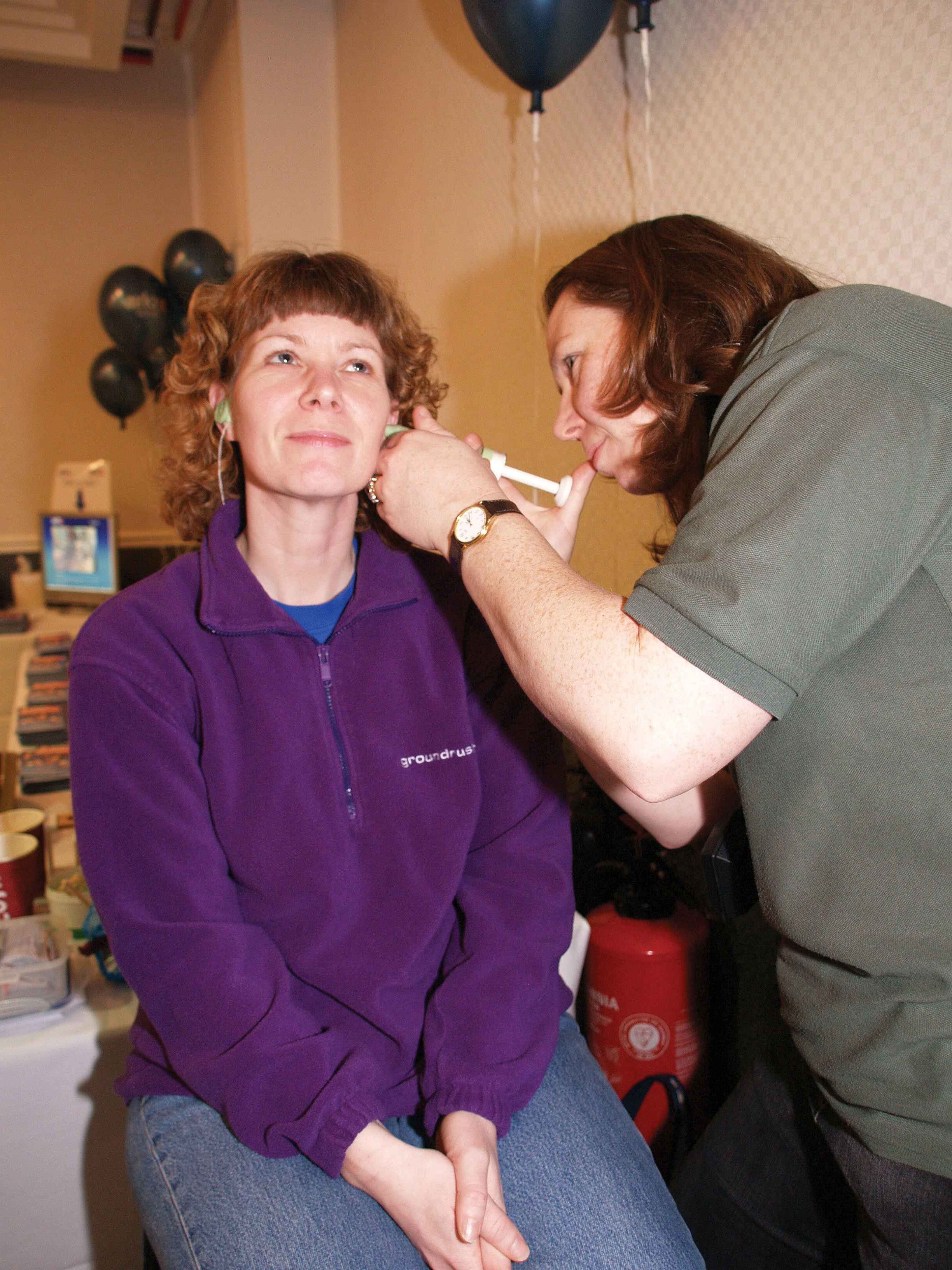
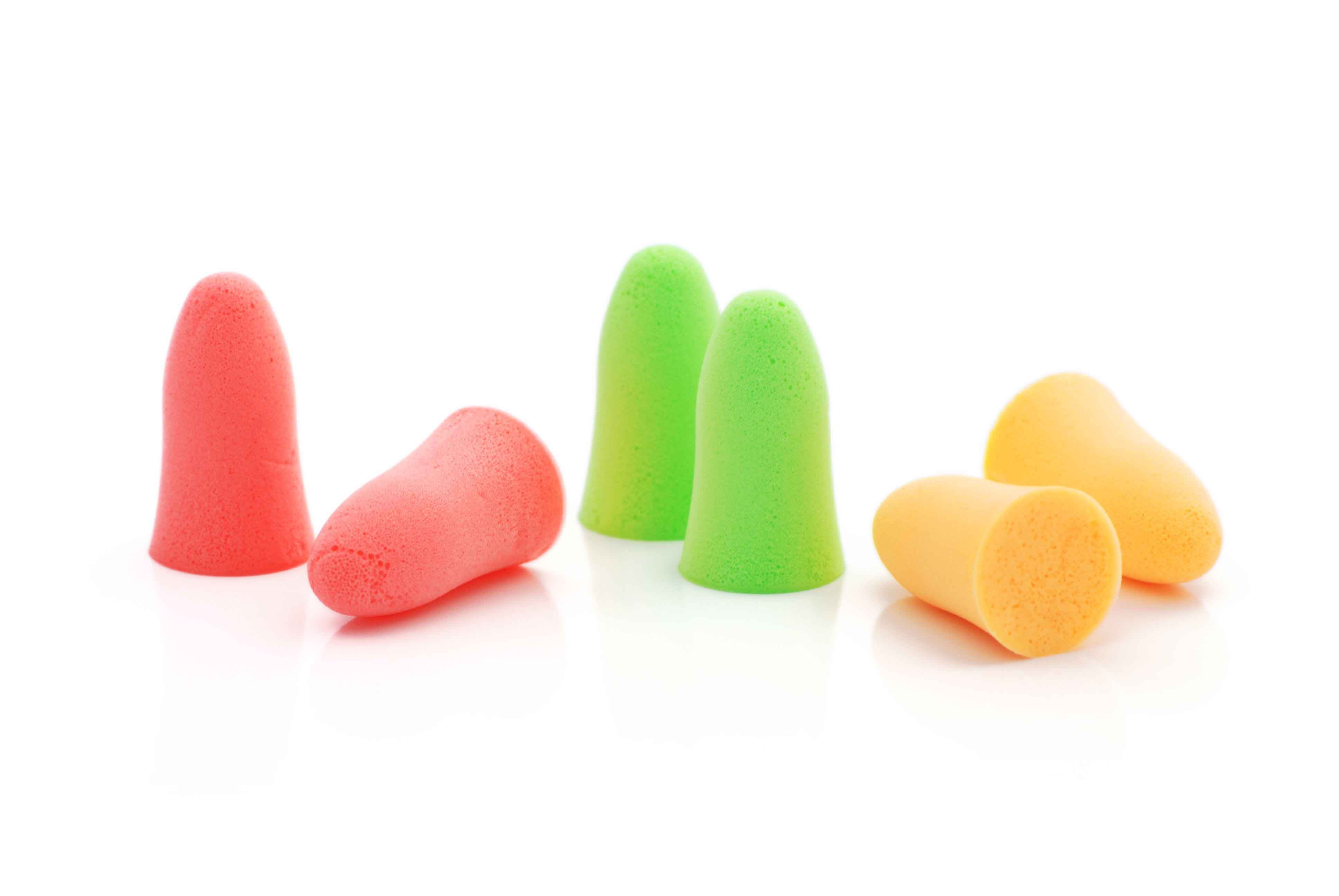
Hearing protection devices decrease the intensity of sound that reaches the eardrum. Properly fitted earplugs or muffs reduce noise by 15 to 35 dB. They must be snugly sealed so the entire circumference of the ear canal is blocked. An improperly fitted, dirty or worn-out plug may not seal and can irritate the ear canal. They are available in a variety of shapes and sizes to fit individual ear canals and can be custom made.
Many of us are accustomed to wearing ear plugs when flying in a wind tunnel but may not consider their use near aircraft. Remember any loud noise can and will damage your hearing irreversibly if prolonged.