



“It’s a Skydive MACHINE!” – said Marco Arrigo about Skydive Hibaldstow at the British Nationals in 8-way FS, Freefly, Freestyle and Speed… these entire competitions started and finished that same day.
- In 2012 & 2013 UK hosted the world’s biggest 4-way Nationals, with 75 teams
- In 2009, the 4-way finished in one day, with over 60 teams
Not bad for a small island! This success story has a few key ingredients…
3-Day Format
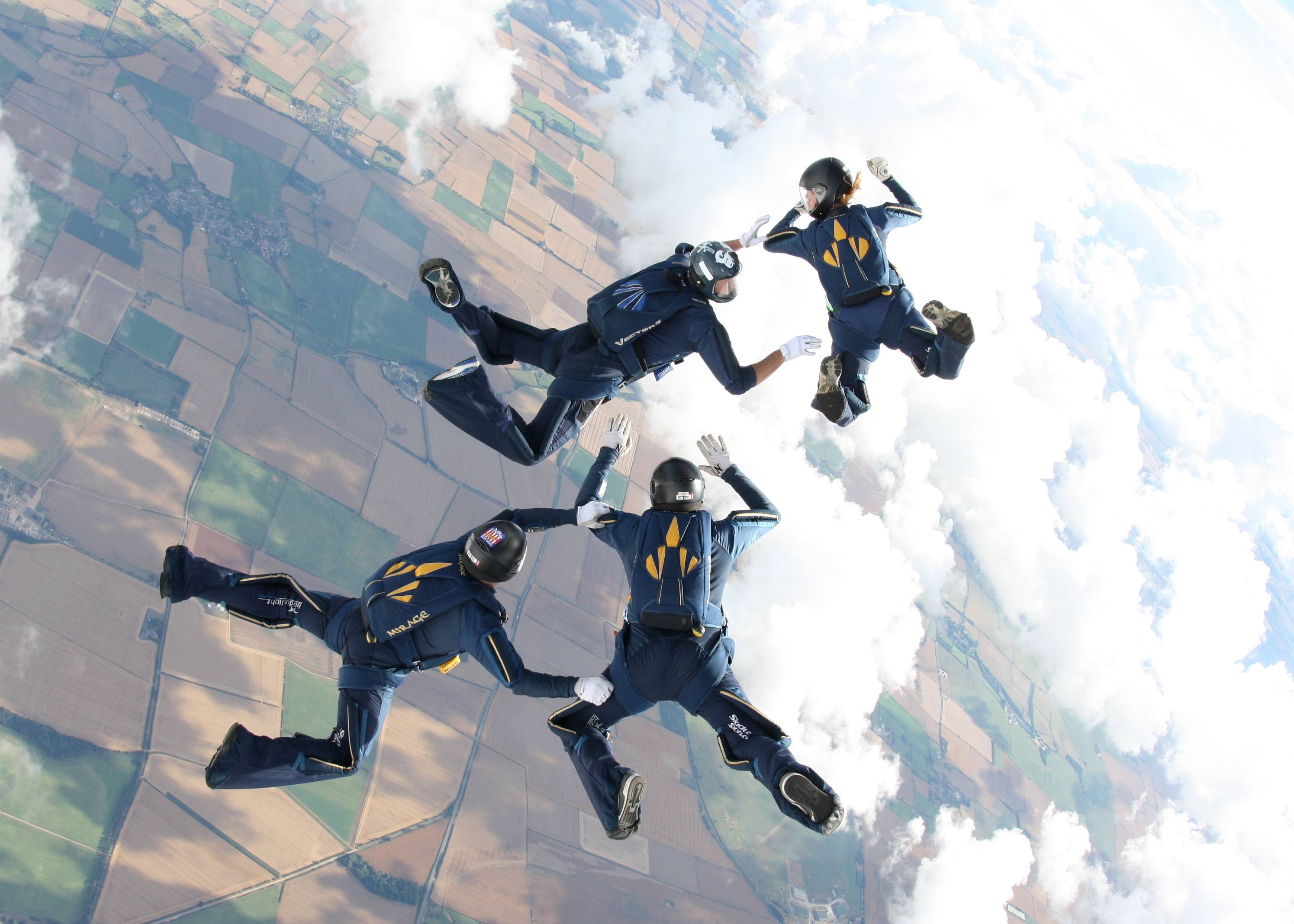
Historically, the 4-way and 8-way events were run over a complete week, so it could last 9 days including weekends. That required 5 days holiday, which was generally mostly spent sitting in caravans drinking tea and watching the clouds; soul-destroying stuff. Not surprisingly, many teams chose to spend a week abroad, doing over 50 jumps instead of less than 20, and having the ‘holiday’ feeling. Teams that went to Nationals were mostly those looking to medal but this didn’t do much to encourage new blood. At that time (early nineties) there were only 2 categories of 4-way; senior and ‘intermediate’, ie, everyone else.
Then, together with the rest of the world, the UK adopted the current system of four categories in 4-way (Rookie to AAA). This gave all experience levels a focus and excellent building blocks to learn 4-way, as the rookie categories are random-only, going slowly through the blocks with the higher categories. At a similar time, the Nationals format was changed by the BPA to split the 4-way and 8-way into separate events, each run over its own 3-way weekend, Saturday to Monday. Generally the competition completes over 2 days without needing the Monday off work, so it’s attracted a lot more teams.
The following weekend is intended for 8-way but is designated a roll-over weekend for 4-way if needed. This has only happened once in over ten years of using this system. When it does, it’s a bit of a mess; the remaining rounds are re-scrambled and drawn again and it’s virtually impossible to stop anyone practising what’s left of the draw. It’s unsatisfactory. The weekend format only works because Skydive Hibaldstow has a fleet of available aircraft combined with efficient management, and can complete a meet with a few weather windows.
Aircraft Efficiency
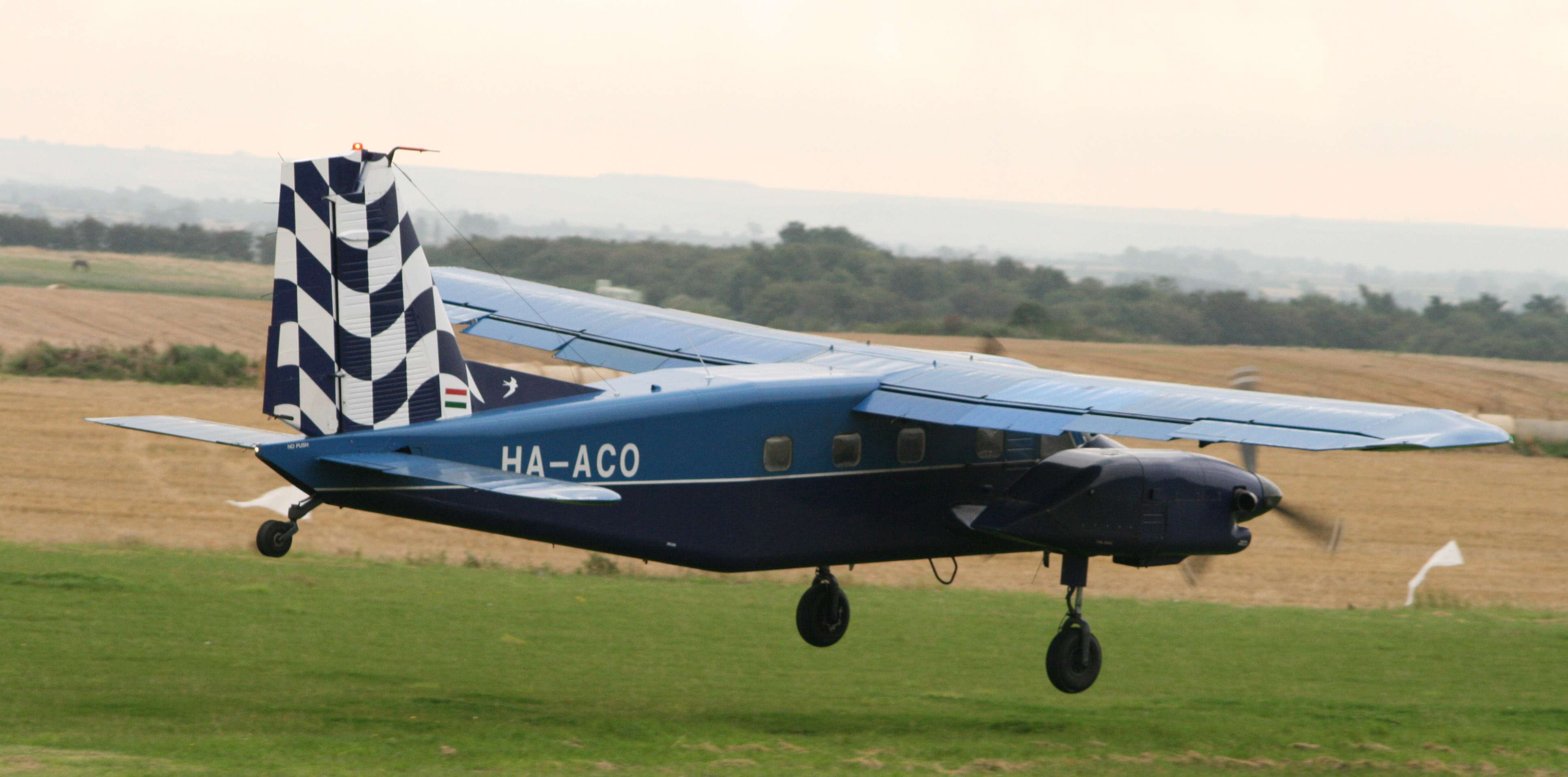
The main dropzone aircraft is a 15 place Dornier G92 which can take any number of combinations. During the 4-way, it is exactly 3 teams. During the 8-way and Artistic Events weekend, it is an 8-way team, a couple of Artistic teams and a speed skydiver. It is for precisely this reason that the Artistic Events are combined with the 8-way Nationals, since the G92 can only take one 8-way team per load so that would otherwise leave 6 ‘spare’ places. The most efficient combination of events would be different for alternative aircraft.
This year, we had 75 teams (72 formation skydiving and 3 VFS) competing. The dropzone runs the event with 4 Dornier G92s which crucially landed on one runway and then took off, with very little taxiing, from another. This allowed them to do on average 4 lifts per hour from the competition height of 10,500ft.
Staff Efficiency
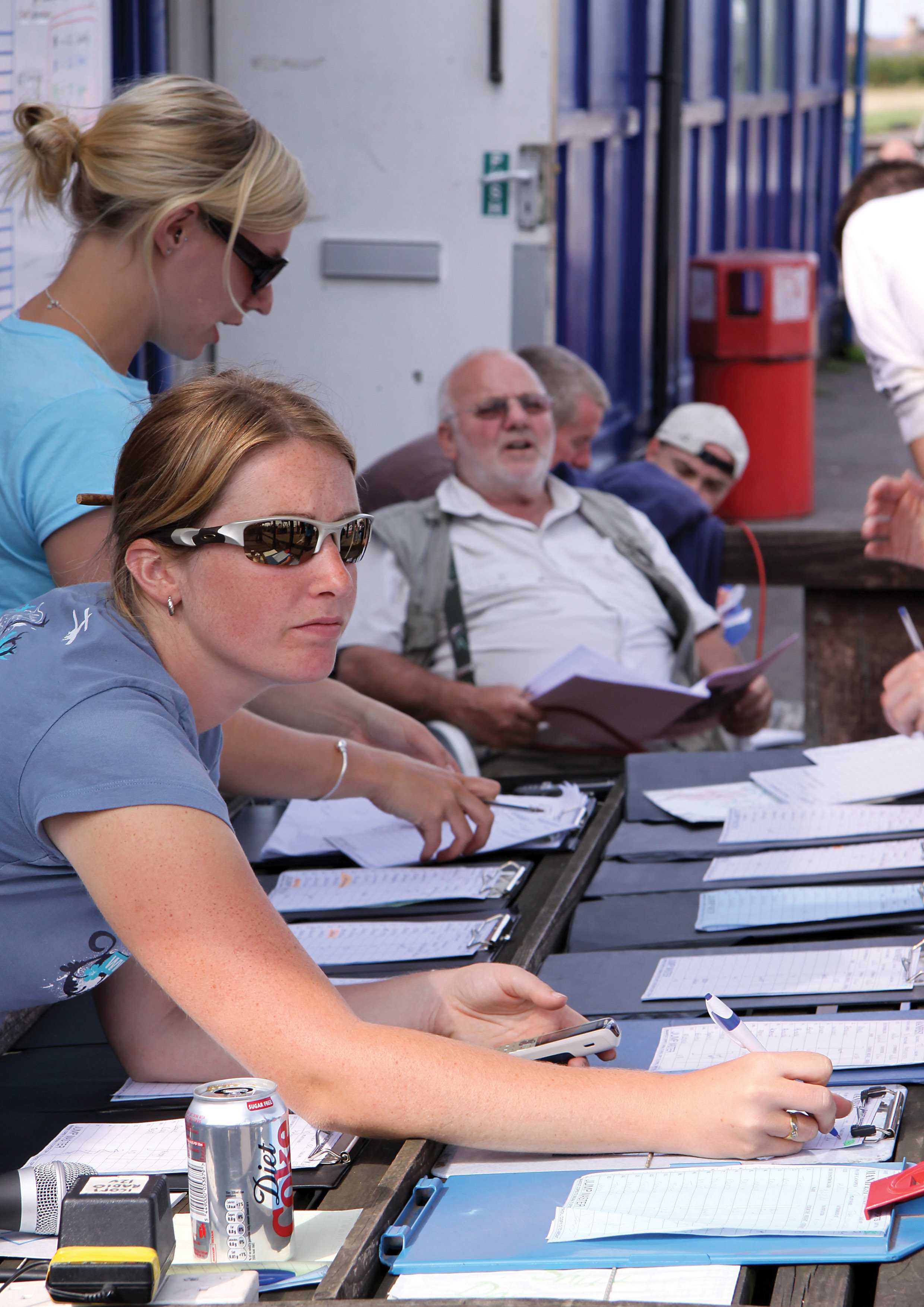
Having an efficient manifest is not quite as simple as you might think. You need a good supporting team of bus drivers, dropzone control, packers and riggers all acting as a team behind the scenes.
Clearly Defined Job Roles
Everyone needs to know their job role so that no one is running around like headless chickens during the competition. If chaos ensues, the operation slows down, so that is why a lot of effort is put into making sure each role is clearly defined.
Practice
At the Hibaldstow Cup a few weekends previously, there were some 28 teams competing, so that provided for some good practice for both manifest and the teams. After registration had finished on the Friday afternoon, all the teams were pre-manifested the night before. It was a great ‘dry run’, like a half-size Nationals.
Forewarned is forearmed
This year, over 75% of teams pre-registered and paid before they even arrived at the dropzone. This made it easier for the drop zone to plan, and was relatively easy to achieve, via an email mailing, online payment facility and a discount for prepayment.
Manifesting Efficiency
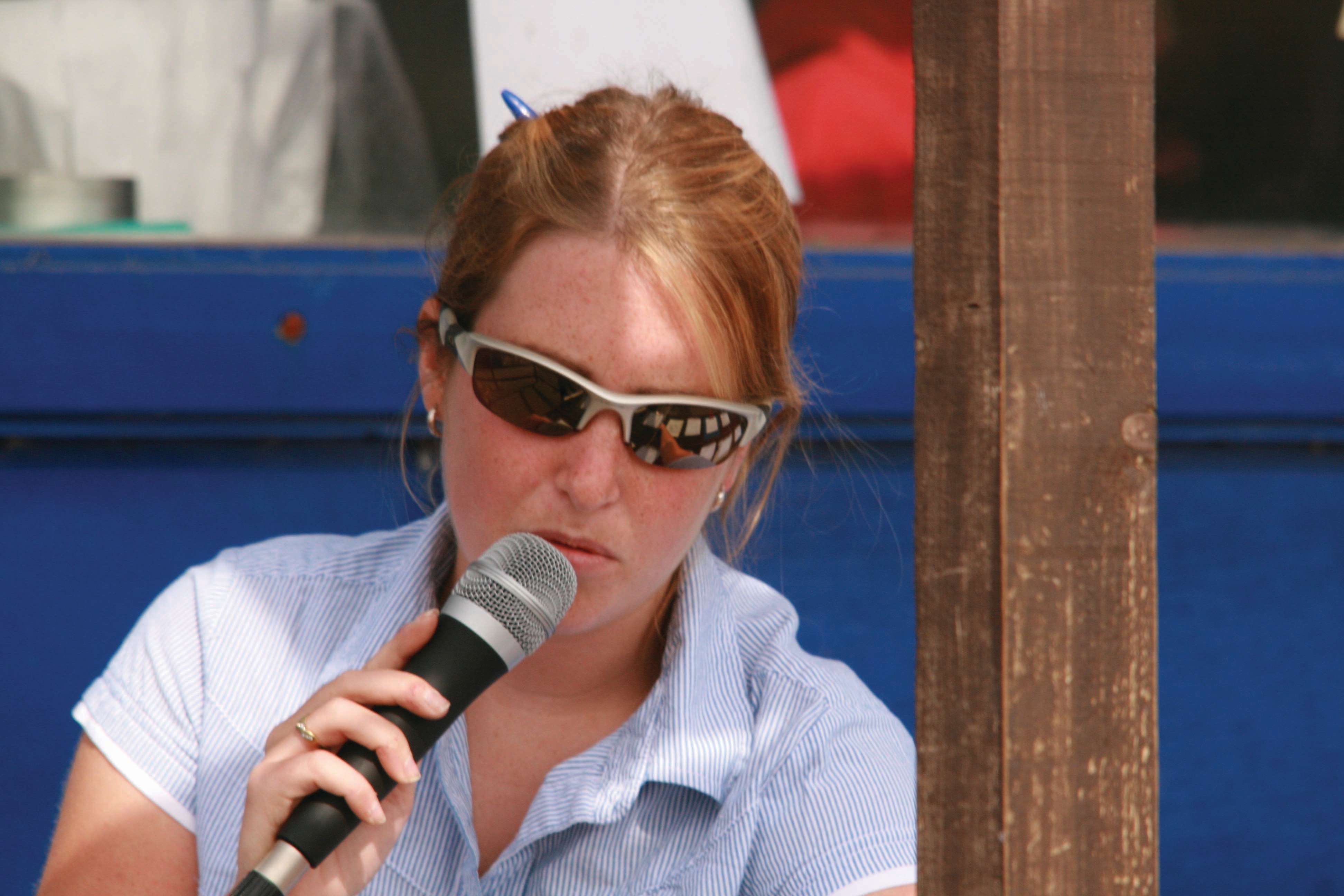
Manifesting requires a careful balancing act:
- Dealing with cameramen and pool cameramen issues where some may be on as many as 3 teams. Most of these cameramen will have multiple rigs, but enough time must be left for their packers and for them to dump their footage.
- Taking into account the time it takes to fuel each aircraft and ensuring the pilots get sufficient breaks.
- Rescheduling lifts when some teams become unavailable due to a malfunction or a rejump for example.
- Restarting 4 aircraft quickly with only 3 minute gaps, after a weather hold.
- Different classes do different numbers of jumps eg, Rookie 4-way is 7 rounds, Speed Skydiving is 6 rounds, 4-way AAA is 10 rounds for the top scoring 50%, etc.
Weather Lookout
British weather is often inclement, so DZ control are constantly looking for small weather windows. Last year, I remember taking off in the rain thinking it was madness. But sure enough, on run-in it was clear all the way to the ground.
Communication Efficiency
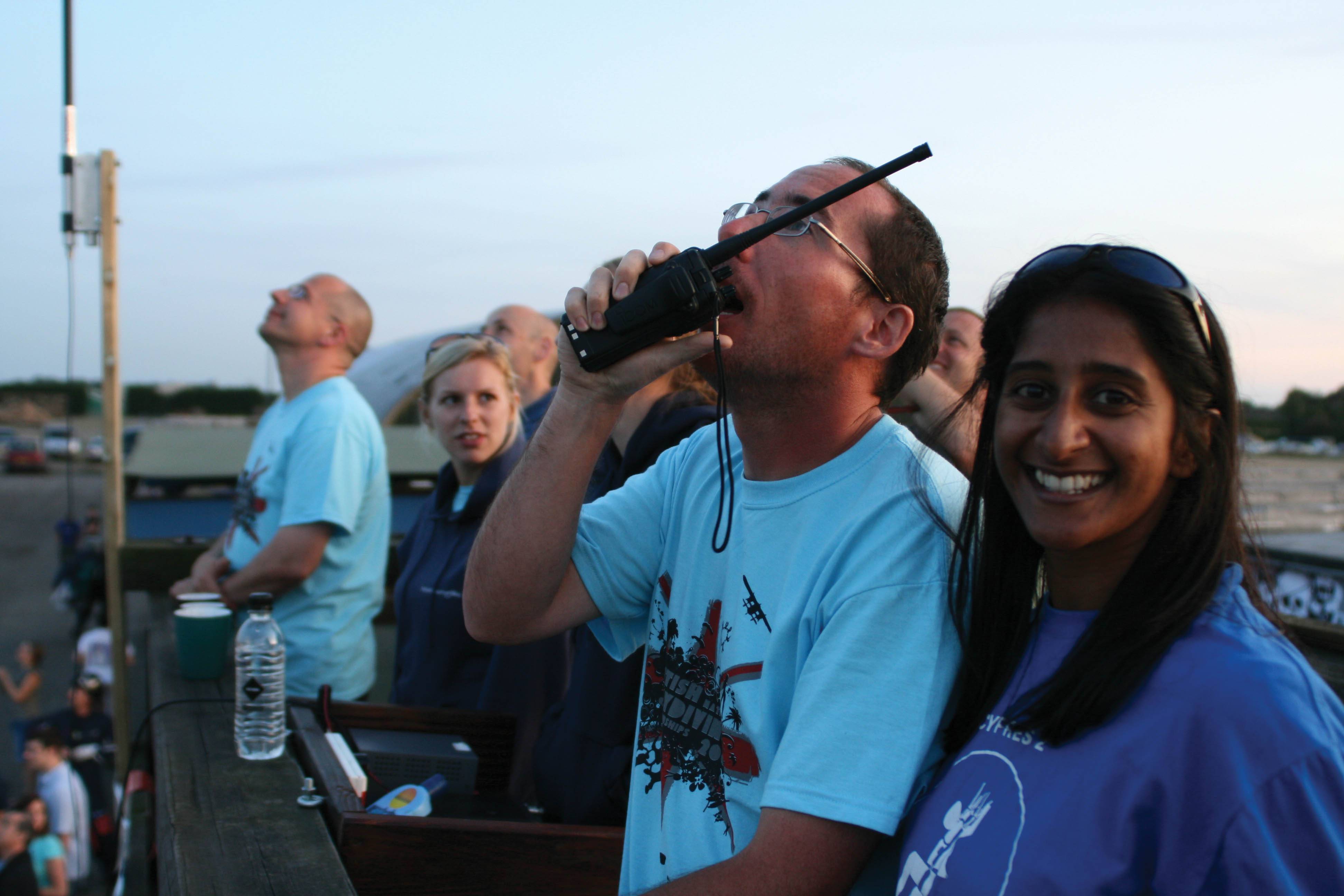
Communication is very important; within the DZ staff, to associated persons like judges, to the competitors, and to the outside world. Letting the teams know how long they have without having to read off each team name over manifest is achieved through a handwritten manifest board which sits outside manifest and runs in parallel to the JumpRun manifesting software. As each load is completed, it is ticked off against each Dornier colour. The 4 aircraft are referred to as white, blue, green and camo, to match their paint job, and the felt pens used. Sometimes the simplest solutions are the most effective. This stops competitors badgering manifest to ask how long they have, and keeps all the teams informed.
Manifest is busy – super busy in fact. Every hour, each aircraft does 4 lifts approximately: 4 aircraft doing 4 lifts an hour, each needing 4 calls (20 min, 10 min, 5 min & on the bus calls), makes a total of 64 announcements an hour – more than one a minute. Imagine the different affect on the drop zone of all those calls, if the manifester sounds calm, or if she sounds stressed – the whole drop zone picks up those vibes!
The plan for the next day is usually made clear by manifest the night before. The drop zone keeps jumpers, family and friends apprised of news via their dedicated Nationals Website, including meet times in the morning.
Expectation of Efficiency
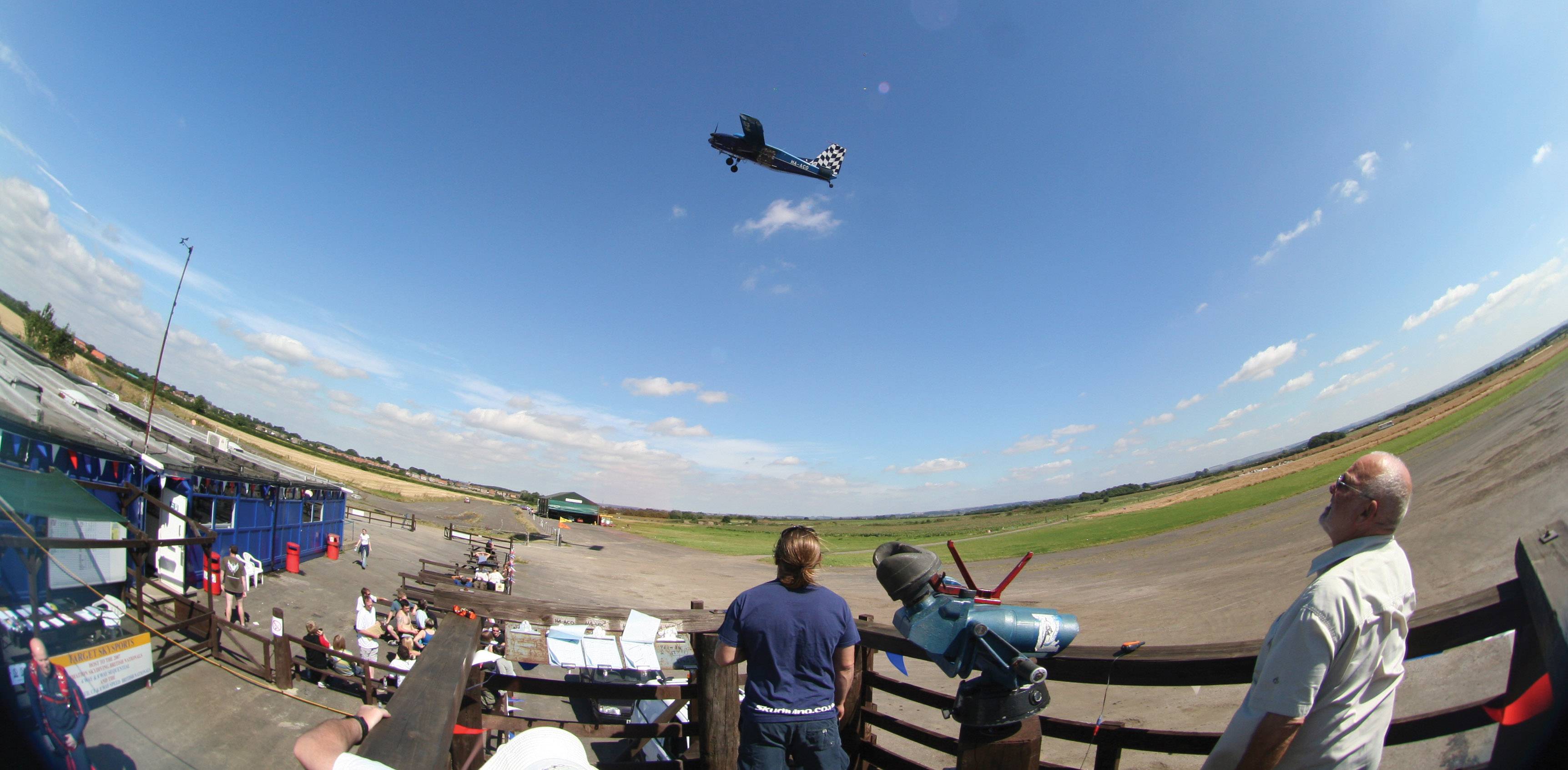
Over the years that I have been competing, I have seen a growing expectation from the dropzone for its staff to be efficient. But it also occurs to me that this expectation is matched by the competitors. They expect us to be efficient and also recognise they have their own role to play in the machine. This buy-in is important.
Shaving just 15 seconds off the load time of each aircraft for example, allows for a whole extra load that day. Hence, beer prizes are usually offered for the fastest-loading team. From the moment they get on the tarmac, they aim to board the plane as quickly as possible. Some teams even dirtdived how they would get on the aircraft!
The competitors’ efforts continue when they land as they hurriedly dirtdive for their next round. It is not unusual to see the manifest knocking on the door of the 45 minute rule. (This states the minimum time between returning to the competition site and the first call of the next jump should be no less than 45 minutes FAI Documents Sporting Code Section 5 Para 5.2.5(3) a. Competitors were heard saying ‘none of this 45-minute malarkey, let’s get this done today’. The competitors have an expectation that we will run the meet efficiently. Having seen the whole meet complete in a day before, they do not mind getting a move on because they can see there is a point. If the forecast is dreadful for the morning it can be worth a little rushing to get the competition completed. Equally, they know the DZ will not push on regardless and will make a logical call when to break overnight.
Making it an Occasion
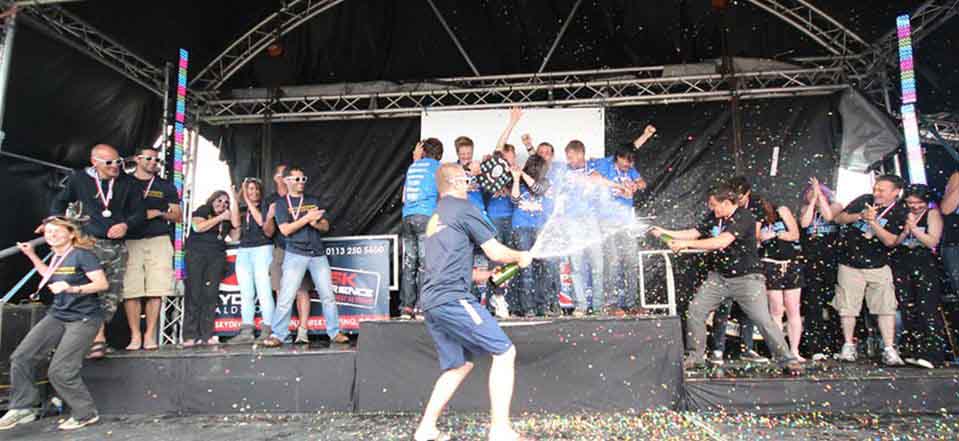
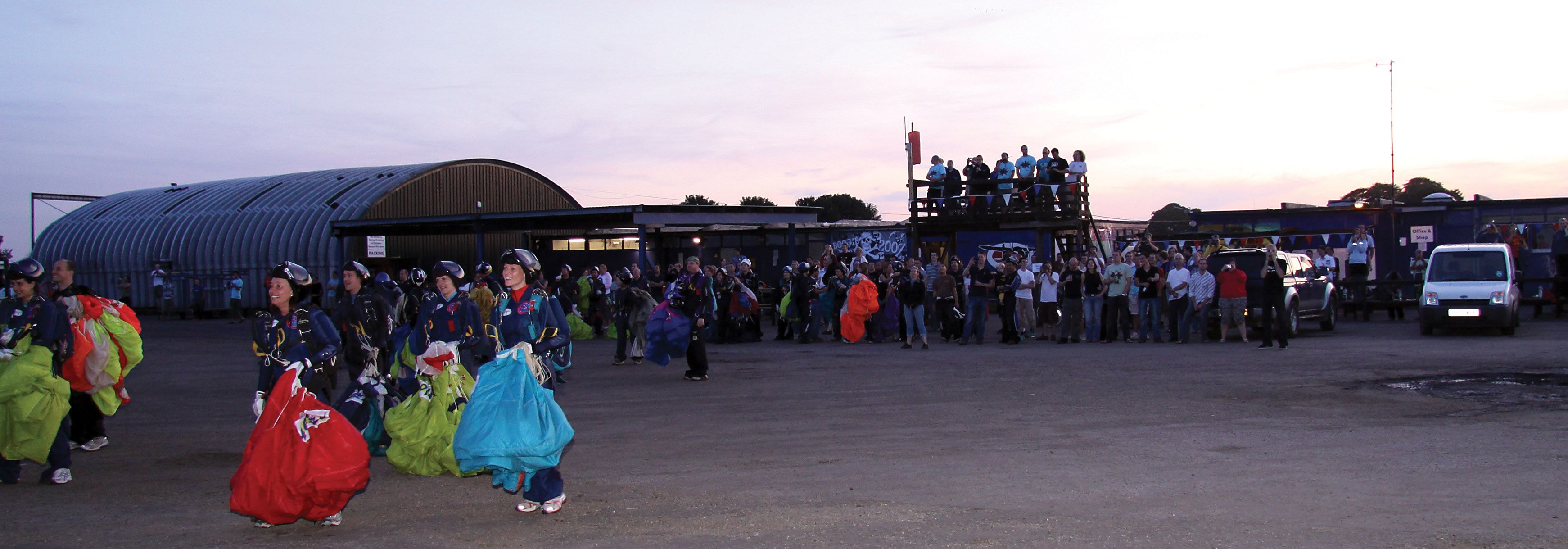
The management has added other features to make it something unique and special. They have a large stage, podia, bubbly and fireworks for the medal presentation. They also demo jump the largest UK Flag (2,000 square feet) at the end of the competition or even bring in an aerobatics plane.
Conclusion
I think there is a real buzz at the championships and when I have chatted to other international coaches visiting with their teams, they see there is something special about the UK event as well. Maybe that is why we have such a high turnout. Speaking to US coach Joey Jones who took the Antigravity Ninja Swans to 4-way AA gold this year, he said: “What makes the UK Nationals amazing is the efficiency in which things operate. Weather will always be an issue in the UK, but as long as there is organization like that at Skydive Hibaldstow, the UK Skydiving Nationals will be a success”.
Making the competition efficient at Hibaldstow has taken many years to achieve and it is still an ongoing process. It is a team effort from many different people and it leaves everyone involved feeling pretty tired but satisfied by the end.