
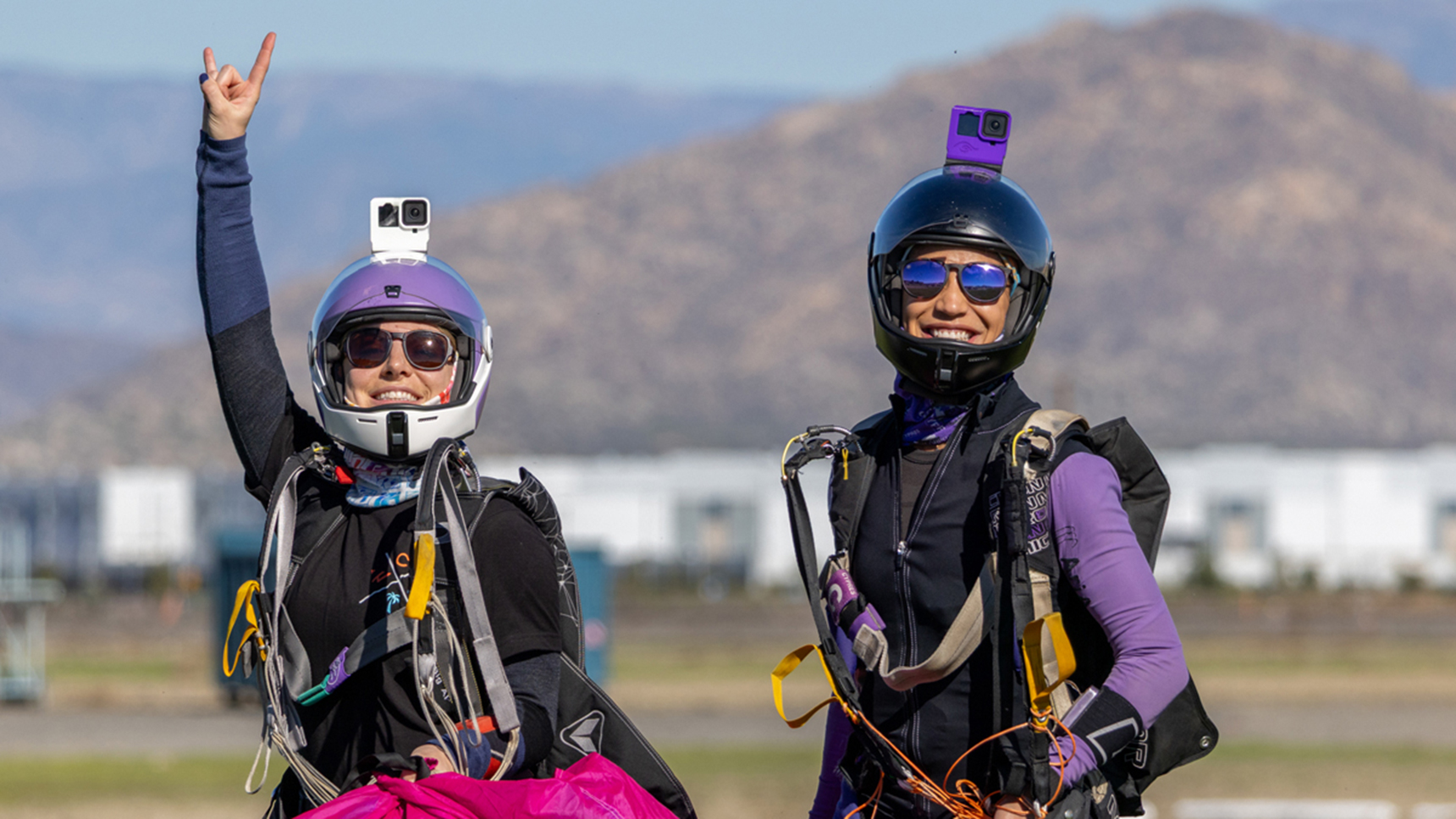





Your safety begins with the skydives you choose to make, and the ones you don’t
Every skydive starts with a choice, to get on that jump, with those people, in those conditions, on that load.
Skydiving will always involve risk, that’s not up for debate. But what often gets lost in the conversation is just how much control we actually have over managing that risk. Safety in skydiving isn’t just about rules or equipment or experience levels. It’s about decision making. And those decisions happen long before the green light comes on.
Safety Starts Before The Skydive
When something goes wrong in the sky, we tend to look at the moment it happened: the collision, the low pull, the bad landing. But most incidents are rooted in choices made earlier.
- Did I understand the plan?
- Was this jump appropriate for my current skill level?
- Did I speak up when something didn’t feel right?
- Was I current enough for these conditions?
- Did I choose this jump because it was the right one for me, or because I didn’t want to be left out?
These questions matter. A LOT.
Choosing the Right Jumps For You
One of the most powerful safety tools you have is selectivity. Not every load is your load. Not every skydive is your skydive.
Being current, well-briefed, and mentally ready matters a lot. The safest jumpers aren’t the ones who jump the most, they’re the ones who choose their jumps intentionally.
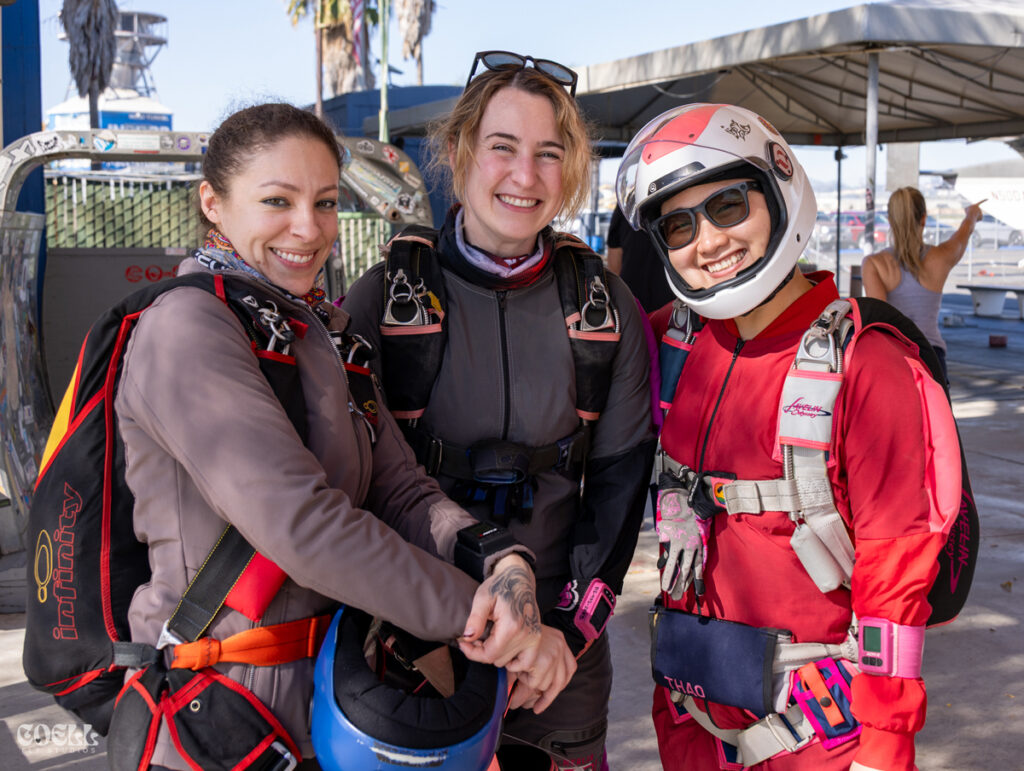
Selectivity Is a Safety Tool
That means:
- Sitting out a jump when the plan doesn’t match your skill level
- Passing on jumps that feel rushed, unclear, or chaotic
- Passing on jumps involving other jumpers that do not match the skills needed
- Saying “not today” when conditions exceed your wind limits
There is no shame in protecting your future in the sport.
Speaking Up Is a Safety Skill
Skydiving culture values confidence, but confidence doesn’t mean silence. If you don’t understand the dive flow, ask. If the dirt dive feels rushed, slow it down. If someone’s plan puts you at risk, say something. If you don’t know some of the jumpers on the jump, get to know them.
Clear communication on the ground can help to prevent incidents in the sky. Every experienced jumper has walked away from jumps they didn’t like. That’s not weakness, it’s wisdom.
Staying safe isn’t just about how many jumps you have, it’s about how current you are and how switched on you are.
Be honest with yourself:
- When was your last jump?
- When was the last time you received coaching?
- Are your skills aligned with the jumps you’re choosing?
Progression doesn’t have to be fast to be meaningful. Consistency, feedback, and self-awareness build safety far more reliably than pushing limits without support.
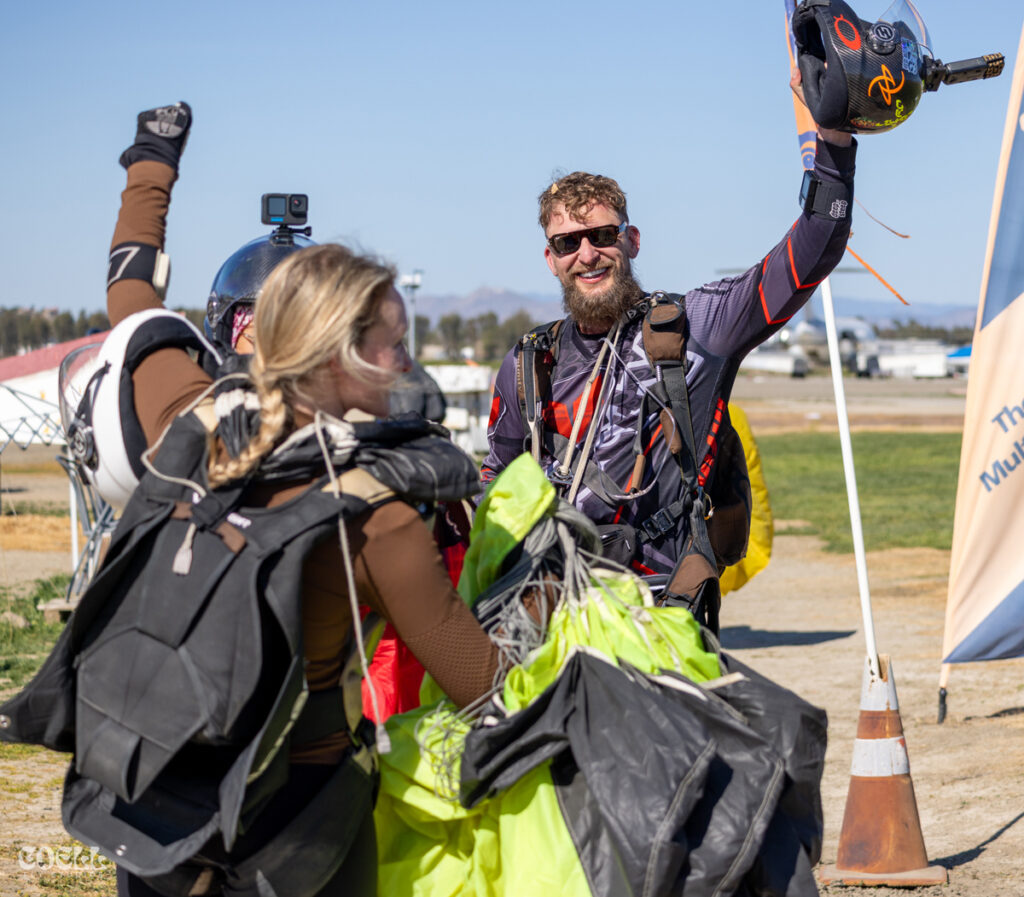
You Are Part of the Safety In Our Sport
DZs have rules. Aircraft have procedures. Gear has redundancies. But none of those replace personal responsibility. You are an active part of the safety system every time you manifest.
The choices you make, who you jump with, what you do on those jumps, and when you choose to sit one out, matter more than you probably realize. You have more influence over your own safety than any single piece of equipment ever could.
The Most Important Decision: When To Skydive
The most important moment of a skydive isn’t freefall or landing. It’s the moment you decide whether or not to get on the plane. Choose jumps that are in line with your skills. Choose longevity over ego. If missing out on this one jump means you get to continue jumping tomorrow, it is a good choice.
Play the Long Game In Skydiving
Skydiving is meant to be a long game. And those who stay in it the longest aren’t the luckiest, they’re the ones who learned how to make smart decisions, load after load. Your safety is not out of your hands, and you have more control than you think. It starts with you, and the decisions you make for yourself.
Blue Skies, and safe jumps, for a very long time.


