




How controlled breathing improves performance, reduces anxiety, and helps skydivers stay calm, focused, and effective in the moments that matter most
Humans can survive roughly three weeks without food and three to five days without water, but we cannot endure more than three or four minutes without oxygen reaching our brains. Unfortunately, breathing often lacks the recognition it deserves and is not practiced in the same way we train our muscles or technical skills. The very first action we take at birth is to breathe, as we exit the womb, and the last action we perform at the end of our lives is to exhale. Many experts believe lung capacity serves as an important indicator of our longevity, along with a strong VO₂ Max.
While breathing is typically an unconscious act, it provides numerous benefits when practiced consciously. Simple breathing exercises can help promote relaxation, manage anxiety, confront fears, induce sleep, boost energy levels, and regulate blood pressure and heart rate. Furthermore, it offers a natural and non-invasive method to adjust the blood’s pH levels.
Hyperventilation: Understanding Its Impact
While breathing is a natural and involuntary process, many people develop habits of improper breathing, with hyperventilation being a common example. This condition is marked by shallow and excessive breathing, often occurring through the mouth and chest rather than through the nose and abdomen.
The primary aims of breathing is to expel excess carbon dioxide (CO₂) from the body and to oxygenate our organs, cells, tissues and muscles. However, during hyperventilation, an excessive amount of CO₂ is expelled, causing hemoglobin to retain oxygen (O₂) rather than releasing it into the tissues. Consequently, this leads to reduced oxygenation of bodily tissues and organs, resulting in feelings of fatigue and a lack of energy.
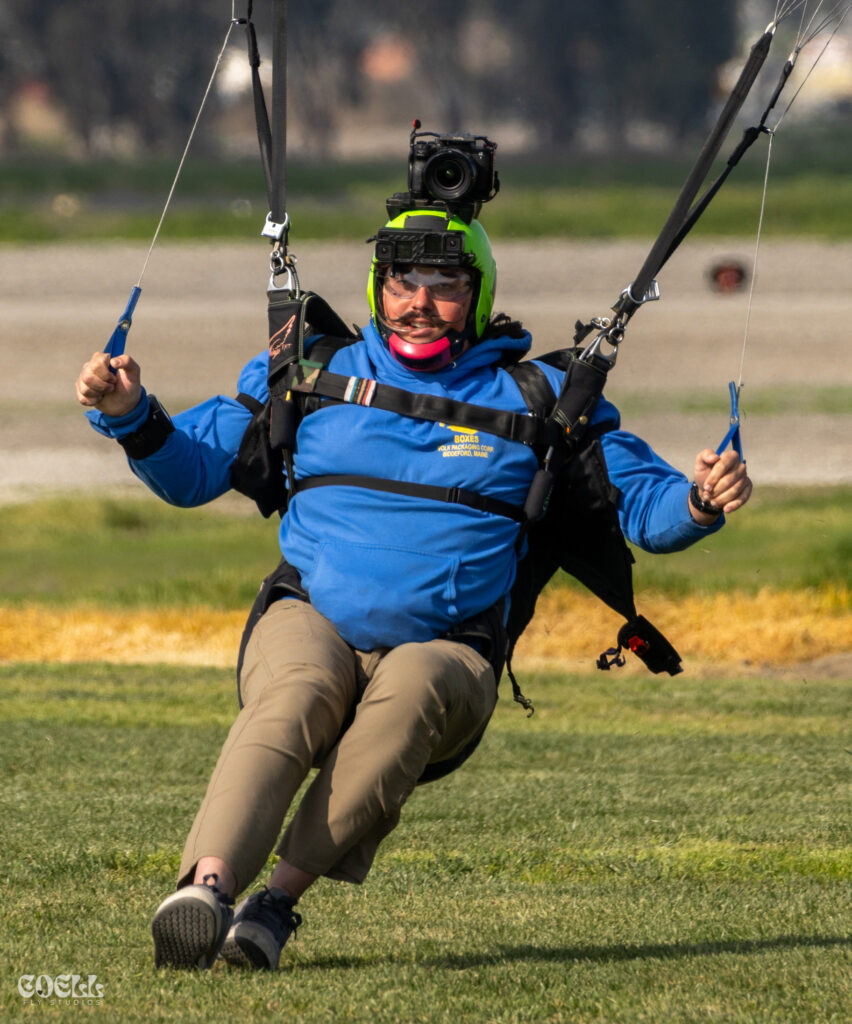
Photo by Coell Fly Studios
Mouth Breathing vs Nasal
One of the most prevalent problems is mouth breathing, especially during sleep. This type of breathing can lead to various negative effects. For example, it frequently causes dry mouth at night, which increases acidity levels in the mouth, thus heightening the risk of cavities and gum disease. Additionally, mouth breathing can disrupt the natural bacterial balance in the oral cavity, leading to halitosis, or bad breath. Moreover, those who breathe through their mouths are more likely to experience louder snoring and a greater risk of sleep apnea.
Optimal breathing should occur through the nose, as it provides 50% more resistance to airflow, resulting in enhanced oxygen absorption. The nostrils warm and humidify the incoming air, facilitating its passage through the airways and into the lungs. Furthermore, nasal breathing helps filter the inhaled air, removing germs, bacteria, dust, and other particles.
The nose also functions as a reservoir of nitric oxide, which contributes to the dilation of the airways and blood vessels. This promotes neurotransmission, boosts immunity, and facilitates optimal breathing. In addition, it helps keep arteries flexible, prevents hypertension and decreases the risk of arterial obstruction.
Diaphragmatic Breathing
Chest breathing is a common mistake, as it activates the sympathetic nervous system, which is associated with stress and the “fight or flight” response. In contrast, proper breathing involves abdominal breathing, which engages the diaphragm. This technique promotes relaxation and activates the parasympathetic nervous system, facilitating a quicker return to calmness after stressful situations.
Understanding the Nervous System and Its Relationship to Breathing
Without going into too many technicalities, it’s fascinating to understand how our nervous system operates, especially when it comes to breathing and our levels of nervousness, anxiety, and arousal. The primary function of this system is the control of unconscious and involuntary processes, such as breathing, blood circulation, and digestion. The autonomic nervous system (ANS) is divided into two parts: the Sympathetic System and the Parasympathetic System.
Sympathetic System
The sympathetic system is activated in situations of alarm and stress, preparing the body for action and facilitating the fight-or-flight response to threatening stimuli. To achieve this, it releases stress hormones such as adrenaline, noradrenaline, and cortisol, which causes an increase in heart rate and blood pressure, allowing blood to flow to the extremities, which are essential for running or fighting. In relation to breathing, it is important to remember that inspiration stimulates the sympathetic system.

Photo by Coell Fly Studios
Parasympathetic Nervous System
On the other hand, the parasympathetic nervous system is responsible for returning the body to a resting state. This system is responsible for functions such as digestion, reproduction, and sex. It releases acetylcholine and reduces the effects of stress hormones, regulating and slowing down our body, which lowers heart rate and blood pressure. In other words, it deals with the regeneration of the body. In terms of breathing, it is the extended exhalation that activates the parasympathetic system.
Fun Jumping and Breathing
It is common for many skydivers, whether beginners or experienced, to feel fear and even some anxiety when jumping. Often, they can face fear and experience anxiety at three specific times:
- When standing at the door: Just before jumping, this moment usually generates great nervousness in fun jumpers with little experience.
- During the separation and deployment: This is a critical moment that also tends to generate some anxiety.
- Landings: When one must start the landing pattern, but especially in the final leg, where attention and staying calm are crucial.
There are different breathing techniques that can be used depending on what kind of emotions or what effects we want to achieve. For example, while we are on the plane, if we feel somewhat nervous or even anxious or afraid, it means that our sympathetic nervous system has been activated. Therefore, we must try to move to a state in which the parasympathetic system dominates. To do this, we must do breathing exercises focusing on a long, slow and smooth exhalation. For example, we can perform some of the exercises described further below such as Box Breathing or the SMILE breathing technique for states of anxiety.
AFF and Tandem Instructors
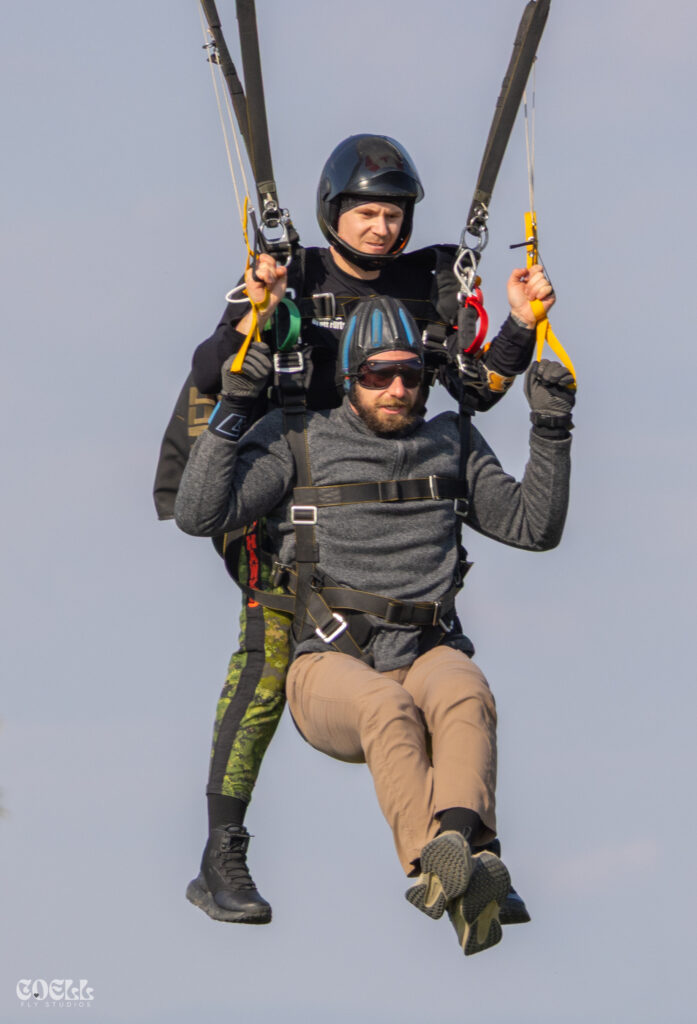
Both AFF and tandem instructors have a dual responsibility, as they must control their own nerves while helping their students cope with fear and anxiety. As described previously, the safest approach is to teach conscious breathing exercises on the ground so that students can put them into practice while on the plane. Generally, very apprehensive students tend to breathe through their mouth and hyperventilate. It is important for instructors to detect this hyperventilation and invite students to practice box breathing or SMILE breathing.
When I was an AFF student and later observed many students getting extremely nervous, instructors often asked them to breathe only at the door of the plane just before jumping. Our recommendation is that students be taught on land to avoid hyperventilation and to practice these exercises while reaching jumping altitude. This will not only help them relax and avoid exaggerated anxiety, but it will also allow them to have their minds distracted in a productive way.
Strategies for Handling Skydiving Emergencies
Although the best way to handle an emergency is through regular practice of emergency protocols, which enables muscle memory to respond automatically, adding conscious breathing can significantly aid the effectiveness of that memory. In high-tension moments, such as during a cutaway and reserve deployment, it is essential to avoid hyperventilation. We must focus on maintaining conscious breathing, which helps prevent an overreaction of the sympathetic nervous system and allows us to remain calm in the face of a serious situation.
Off Landings
Another common situation that tends to make skydivers very nervous, especially inexperienced ones, is off landings far from the DZ. If after deployment and necessary checks we realize we will not reach the DZ, it is crucial to practice conscious breathing exercises. This will allow us to stay calm and make the best decision about where to land safely outside the area.
Integration of Visualization and Mindfulness
It is equally critical to practice visualization and, if possible, meditation while training these techniques. In skydiving it is crucial to keep the mind focused on the present moment. As we perfect these breathing techniques, we should become familiar with mindfulness, which involves being aware and fully present.
Breathing Exercises
It is essential to integrate conscious breathing into technical, tactical, mental and physical training, considering it as important as nutrition and hydration. Practicing during workouts helps ensure it can be applied under pressure. There are several breathing exercises, many linked to yoga and mindfulness. This article focuses on the most effective ones for skydiving, highlighting their ease of implementation.
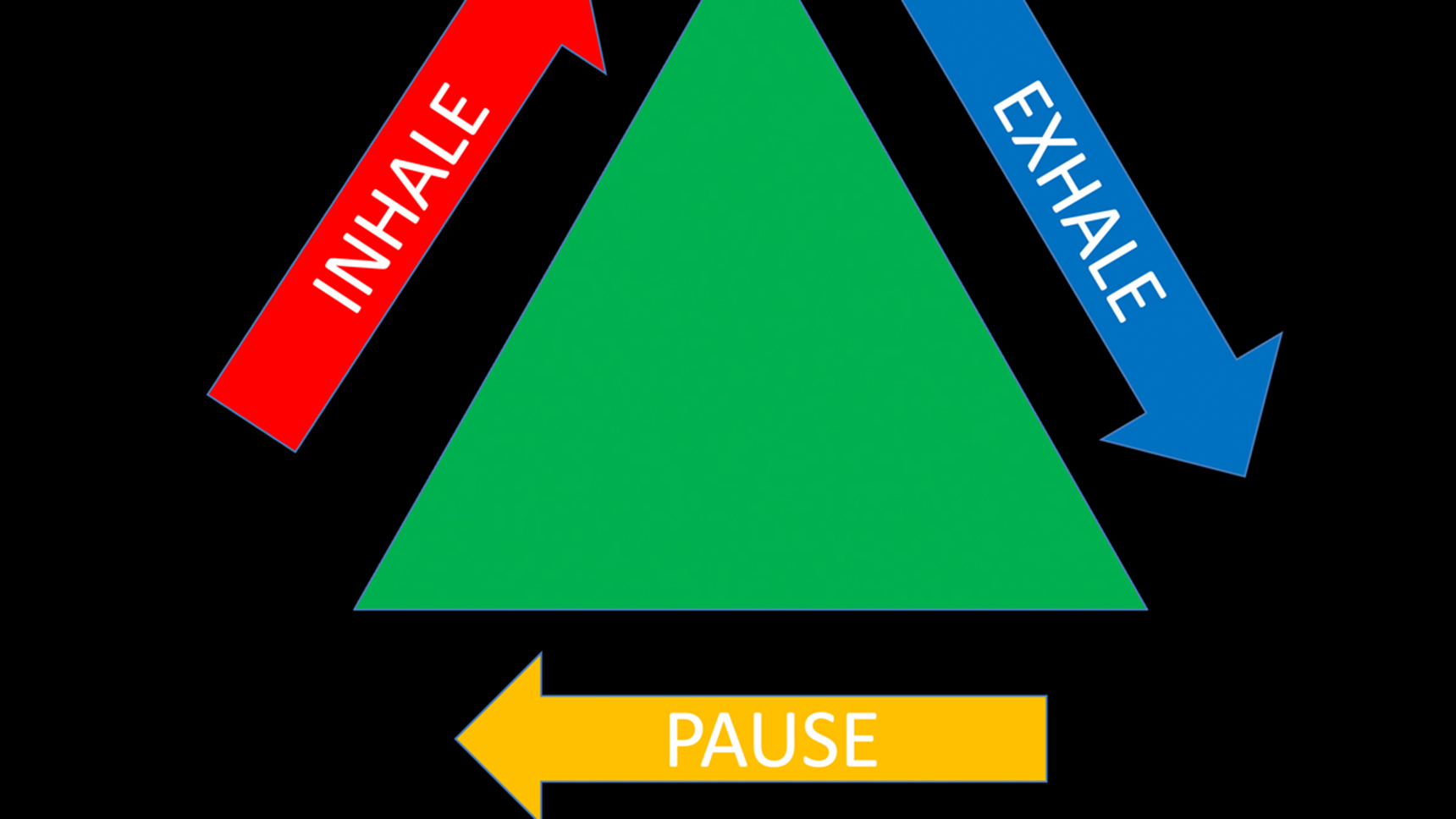
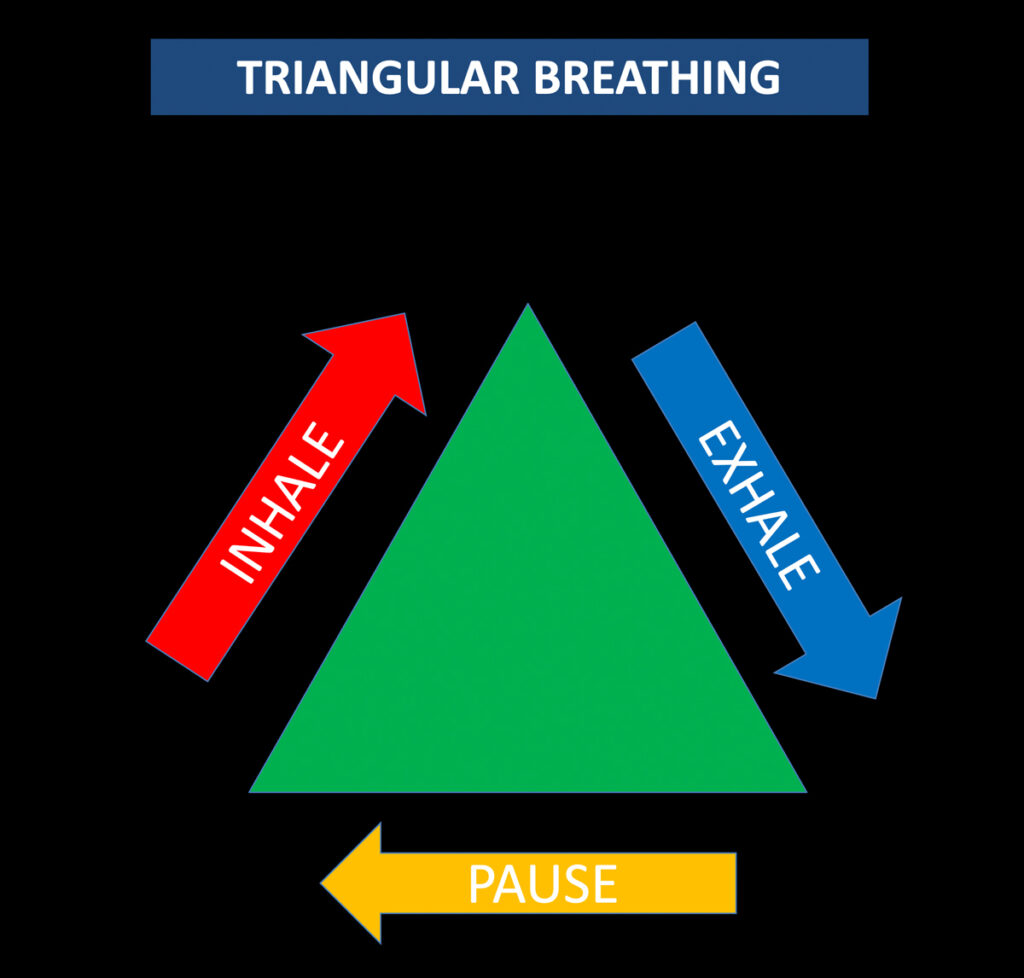
Triangular Breathing
- Breathe in through your nose slowly for 4 seconds.
- Exhale for 4 seconds.
- Pause for 4 seconds.
“Triangular Breathing” is similar to natural breathing when we are relaxed, but doing it consciously encourages relaxation. The practice is flexible and you can experiment with longer cycles (e.g., 5-5-5) to find what feels most effective.
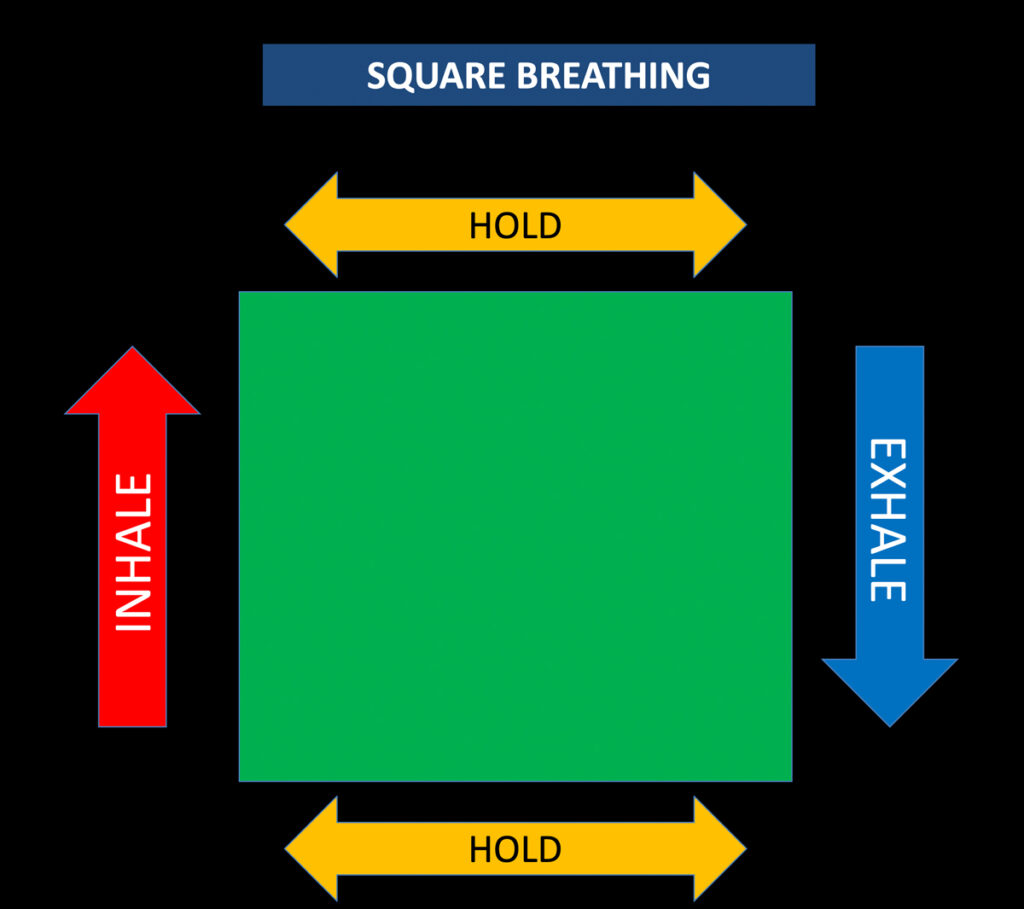
Box or Tactical Breathing
- Breathe in through the nose for 4 seconds.
- Hold your breath for 4 seconds.
- Exhale slowly for 4 seconds.
- Hold your breath for 4 seconds.
- Repeat the cycle.
Box breathing is a simple and powerful tool used by high-performance athletes and military personnel to perform under pressure. This technique balances the nervous system, improving control and confidence, and is especially useful just before stressful situations.
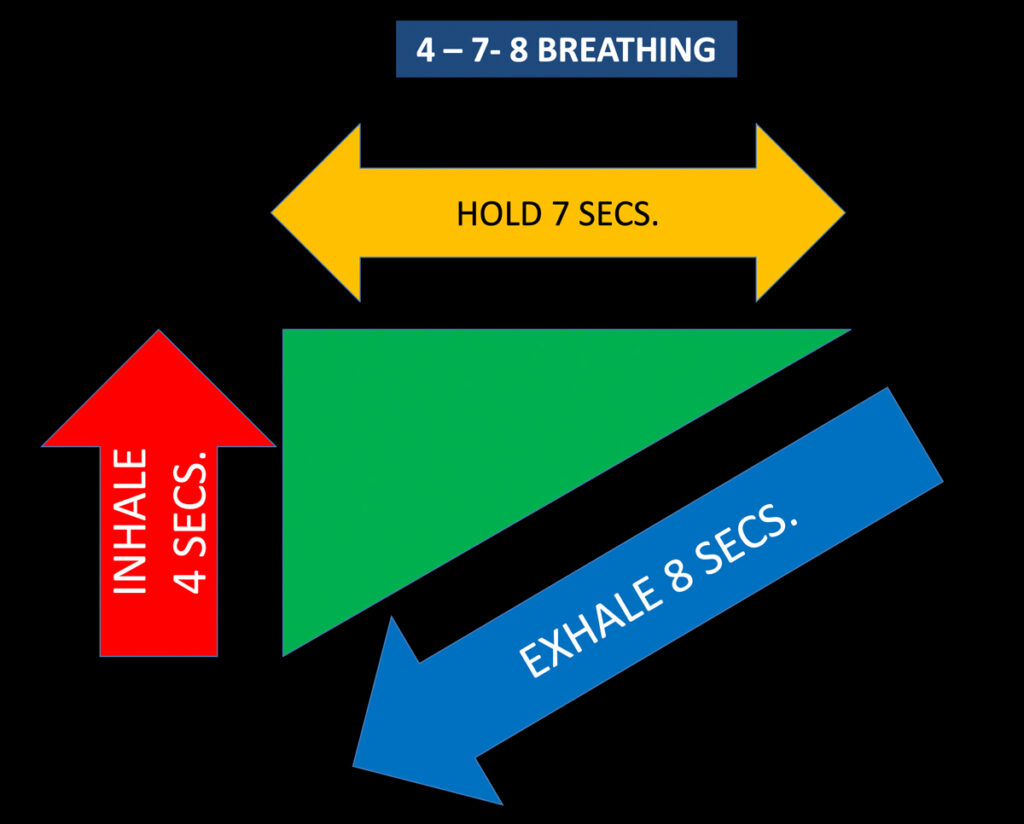
4-7-8 Breathing
- Breathe in slowly for 4 seconds.
- Hold your breath for 7 seconds.
- Exhale slowly for 8 seconds.
The 4-7-8 technique strongly activates the parasympathetic response, making it excellent for stress relief, anxiety reduction, relaxation, and especially for inducing sleep the night before a day of jumping.
SMILE Breathing
- Breathe in until your lungs are full.
- Once full, try to inhale a little more.
- Hold your breath for 4 seconds.
- Exhale for 8–10 seconds if you are nervous.
- Exhale with energy for 3–4 seconds if you want to energize and motivate yourself.