




Why confidence can grow faster than competence, and why humility matters when lives are on the line
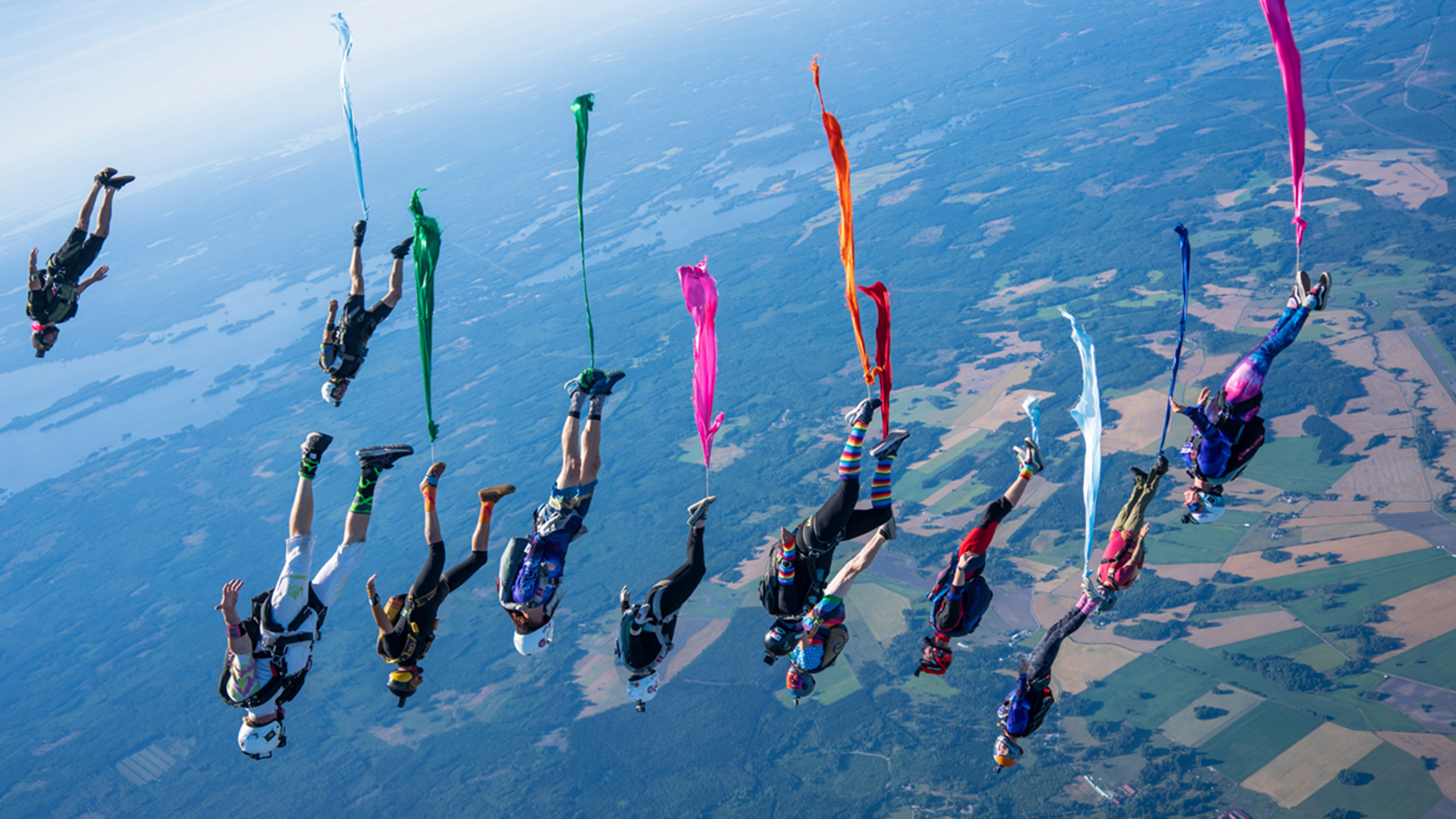
If you’ve been in the sport long enough, you’ll have seen it, or maybe even been there yourself: the jumper with 300 jumps who believes they’ve got it all figured out. They start organising big-ways, canopy coaching, or leading tracking jumps with more confidence than caution. And worse, they’re often listened to.
This, my friends, is the Dunning-Kruger Effect at work.
I know this from firsthand experience. I was looking through old photos and videos from the early 2000s and found footage of myself leading tracking jumps in the USA. Happy to report the jumps all went without incident, which was purely luck, not judgement. But I looked at a twenty-something version of myself, looking confident, in charge, and knowledgeable. And I know, looking at that guy, that I had very little idea of what I was actually doing.
What Is the Dunning-Kruger Effect?
The Dunning-Kruger Effect is a well-documented cognitive bias where people with low ability or experience in a domain overestimate their own competence. Essentially, you don’t know what you don’t know, and that ignorance can be dangerously blinding.
In skydiving, where risk is ever-present and experience is earned, this bias doesn’t just lead to awkward moments or bruised egos. It leads to bad decisions. It leads to injuries. It leads to fatalities.
When Confidence Outpaces Competence
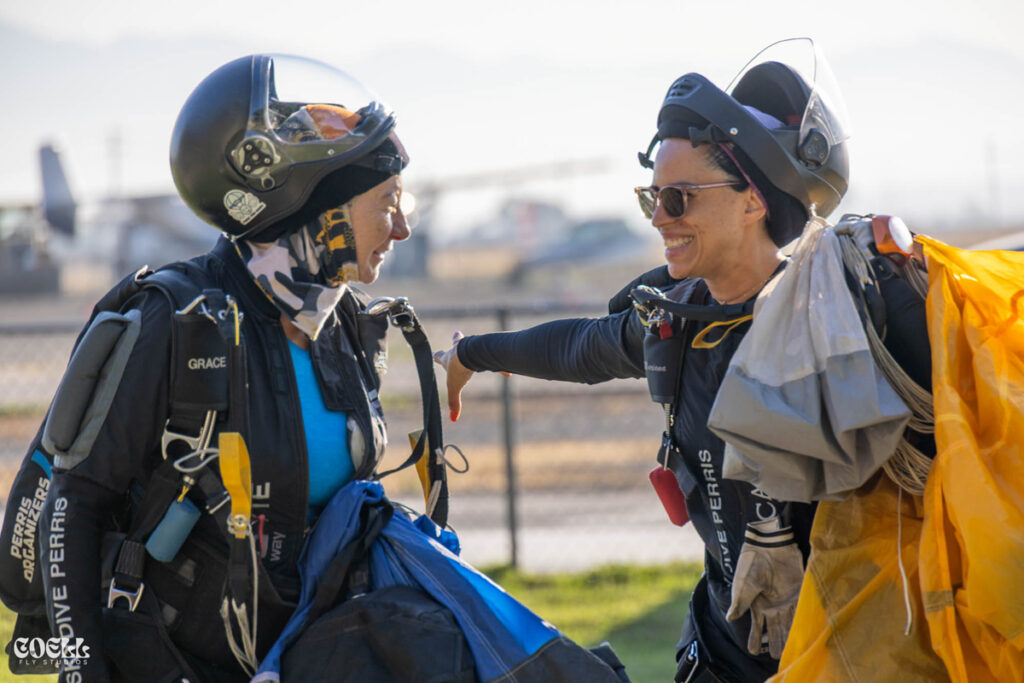
It’s natural to feel a surge of confidence once the basics click — when you’ve nailed a few jumps, got your FS in order, or your freefly feels “stable,” maybe landed a couple of nice landings. At that stage, you’re no longer the scared newbie.
But here’s the trap: confidence increases far quicker than competence. You’ve got just enough knowledge to think you’re in control, but not enough to recognise how much you’re still missing.
When newer jumpers start coaching or organising without sufficient depth of knowledge, they put others at risk. Organising a jump isn’t about having a good idea or being popular on the DZ. It’s about understanding airspace, fall rates, group dynamics, emergency procedures, terrain considerations, break-off planning, canopy patterns and how all of those change depending on who’s on the jump.
And coaching? Coaching isn’t just about “telling someone what worked for you.” It’s about understanding human learning, biomechanics, skydiving-specific psychology, and error management. That’s why real coaching certifications exist and why being a good flyer doesn’t automatically make you a good coach.
Social Media and the Illusion of Expertise
We now live in a world where a 500-jump skydiver can have half a million followers on social media. Likes and views can create the illusion of credibility. And for lower-experience skydivers looking for inspiration or guidance, that illusion can be dangerously convincing.
I often muse at the groovy kids in all the new gear, socks pulled up, stickers everywhere. They look the part until you see them fly.
Ego creeps in quietly. You start believing your own hype. You get asked to lead jumps. You start “coaching” skills you haven’t mastered. Before long, you’ve created a platform where you’re teaching but without the foundation of true knowledge or experience.
And then one day, something goes wrong.
And it always does.
What Experience Actually Looks Like
The most experienced instructors, organisers, and examiners I’ve worked with all share one trait: humility.
They know that skydiving doesn’t care how good you think you are. They remember their close calls. They ask questions. They seek feedback. They surround themselves with peers who hold them accountable.
They also understand that coaching and organising aren’t just about being good at flying, they’re about responsibility. You’re taking lives into your hands, quite literally. That’s not something to take lightly.
Advice for Newer Coaches and Organisers
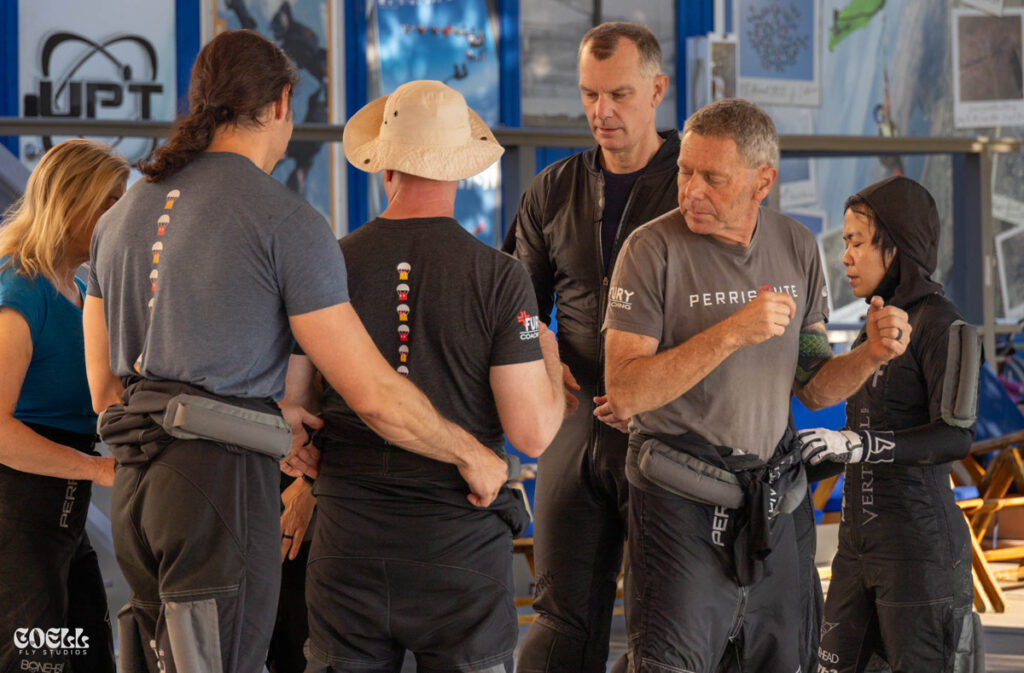
If you’re a newer coach or organiser, here’s what I’d encourage:
Stay Curious
The more you learn, the more you’ll realise how much you don’t know. That’s a good thing. Let it humble you.
Get Mentored
Find experienced instructors or organisers you trust and ask to shadow them. Don’t just copy what they do — understand why they do it.
Seek Qualifications, Not Clout
If you want to coach, get certified. If you want to organise, start small and grow under supervision. British Skydiving has clear progression paths for a reason, as do many other associations around the world.
Own Your Limits
It’s okay to say, “I’m not experienced enough to run that jump.” That kind of honesty earns a lot of respect.
Don’t Confuse Flying Skills With Coaching Ability
Just because you can do it doesn’t mean you can teach it.
Ask yourself realistically:
- Can you do it?
- Can you competently do what you’re trying to coach or organise?
You have to be very humble here.
Analyse yourself as deeply as you can:
- Am I really adding value?
- Or am I just repeating golden nuggets I’ve heard others say?
A Note for DZOs, Chief Instructors, and S&TAs
Consider who is setting up events.
Question their authenticity.
Limit numbers where appropriate.
Get involved as a participant.
Guide and encourage those motivated pups to keep them on the right track.
The Dunning-Kruger Effect isn’t a character flaw, it’s a normal part of human psychology. We all go through it. But in skydiving, failing to recognise it can cost lives.
Don’t let confidence outpace competence. Stay grounded. Stay curious. Surround yourself with people who will challenge you, not just cheer you on.
We’re not just here to have fun, we’re here to keep each other alive. That starts with awareness, humility, and a commitment to doing things the right way, even when no one’s watching.
Blue skies — and respect the learning curve.