




A real look at long-term progression, smart training, and making the most of your time in the sky and the tunnel
It is common to say that it takes around 10,000 hours to excel at something. It could be playing the piano, driving Formula 1, or flying. With a sport that expensive, and with such a short amount of time available to train (45 seconds for a skydive, a few minutes for tunnel flying), we need to make the best out of it.
After 6,000 hours of tunnel time and a World Championship under my belt, here is what I wish someone had told me when I started my journey 15 years ago.
Rome Wasn’t Built in a Day
Like every sport, you’ll need time, but you’ll make it if you provide yourself with the means. Skydiving and tunnel flying are sports where the learning curve is insanely fast compared to other sports. But there are a lot of skills to master, and it’s not cheap, so don’t waste time.
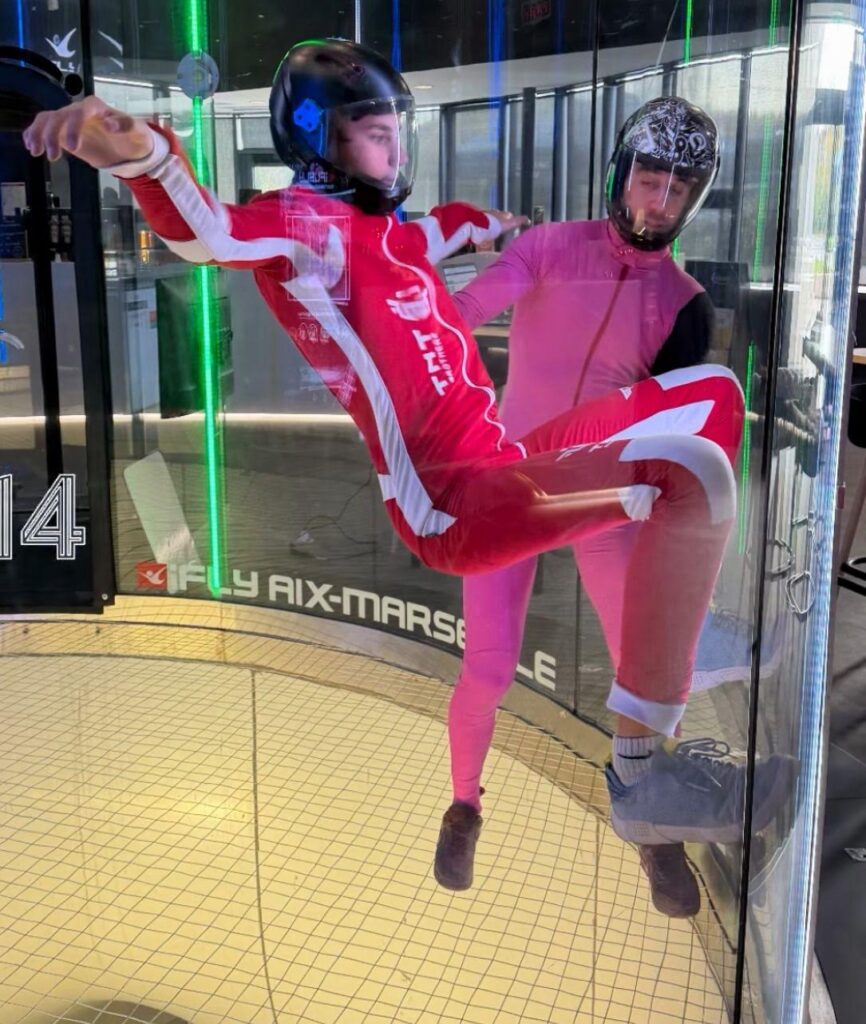
Find a Goal and Commit to It
From “having strong belly skills to fly with friends,” to “flying head-down,” to “competing at a World Championship,” everyone has different goals.
Try to identify all the baby steps that will lead to it, and what you need to do to achieve it. For example: before I can fly head-up with my friends, I need to be able to perform a back-to-head-up transition to make it safer if I lose balance. So I also need back flying. How do I back-fly? How many skydives do I need? Tunnel hours? What should I start with?
Then set everything up in a week, month, or year schedule to give you a clear view of your path to success.
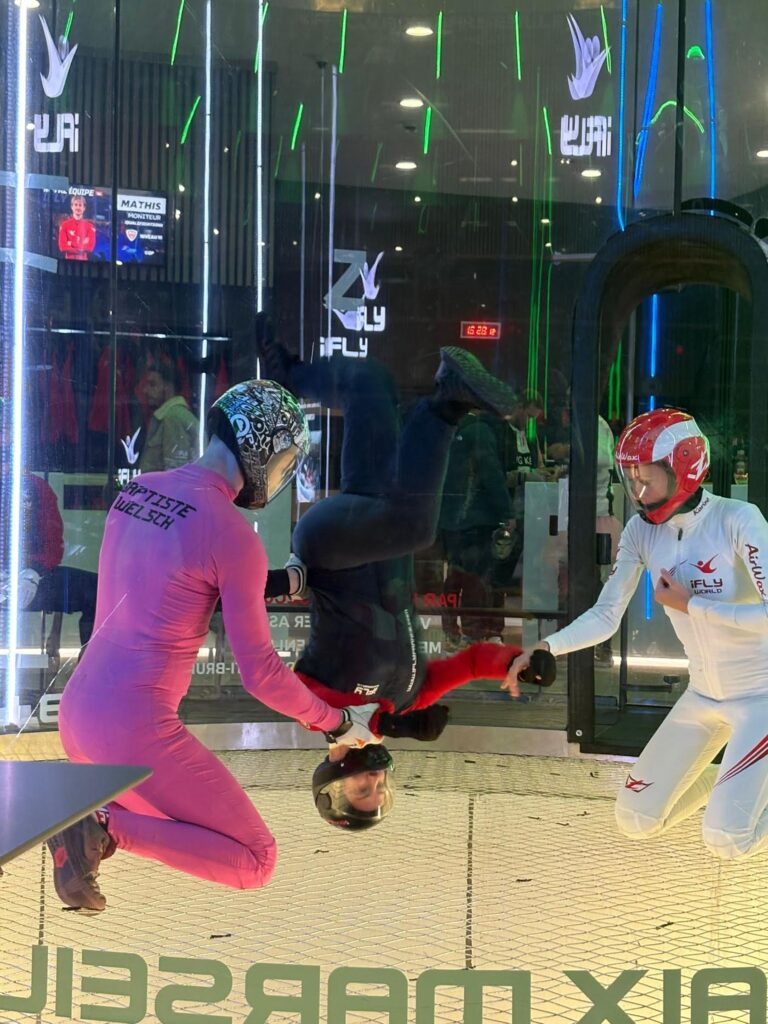
Find a Coach That Makes Your Goal Their Goal
Cheaper doesn’t always mean better, and if you think good coaching is expensive, wait until you see how much an incompetent one will cost you.
If you don’t know one, ask your friends. A good coach will have a lot of happy students who spread the word, and probably a solid competition background. Find their Instagram. Ask what they are doing or teaching. Explain your goals.
If your goal is to improve your skydiving break-offs, don’t ask the ultra low-speed tunnel coach with 20 skydives. And if you want to master tunnel skills to compete, your AFF instructor is probably not the best fit for that goal.
Find the coach that fits you. Someone with easy communication, who you can understand in and out of the tunnel, and who understands the way you learn. There are plenty of coaches. You probably won’t find the perfect one on your first try. Try until you find your gem.
Finding a good coach will make your progression faster and save you a lot of time and money in the end.
Enjoy the Little Things
Passion for the process is the key. You must love the process as much as the goal.
If you wait to reach your final goal to be happy, you never will be.
Enjoy every step that brings you closer to your goal, and always remember where you came from. Do you remember when you struggled with layouts four months ago? Then don’t get pissed if you can’t make a perfect outface head-down in five minutes. You’ve already come far. See the whole picture.

Keep Grinding
The harder the skill, the longer it will take to learn. You need to invest all your resources into it, your time and your energy, and the bigger the reward will be. Now you’re wondering: what will make you learn quicker?
Tools That Accelerate Learning
Visualization
Train in your head, on the ground (it’s free), in a swimming pool…everywhere. If you can’t do it on the ground, you won’t do it in the sky or tunnel. Think about every angle possible: what position you should take, what you need to see, what you need to feel, and what trajectory you want.
Watch Your Videos
If you don’t, you’ll miss a lot of information about what you should improve. I used to spend hours watching the same move on repeat to understand what I did wrong and what I could improve.
Get a Briefing and a Debriefing From a Coach
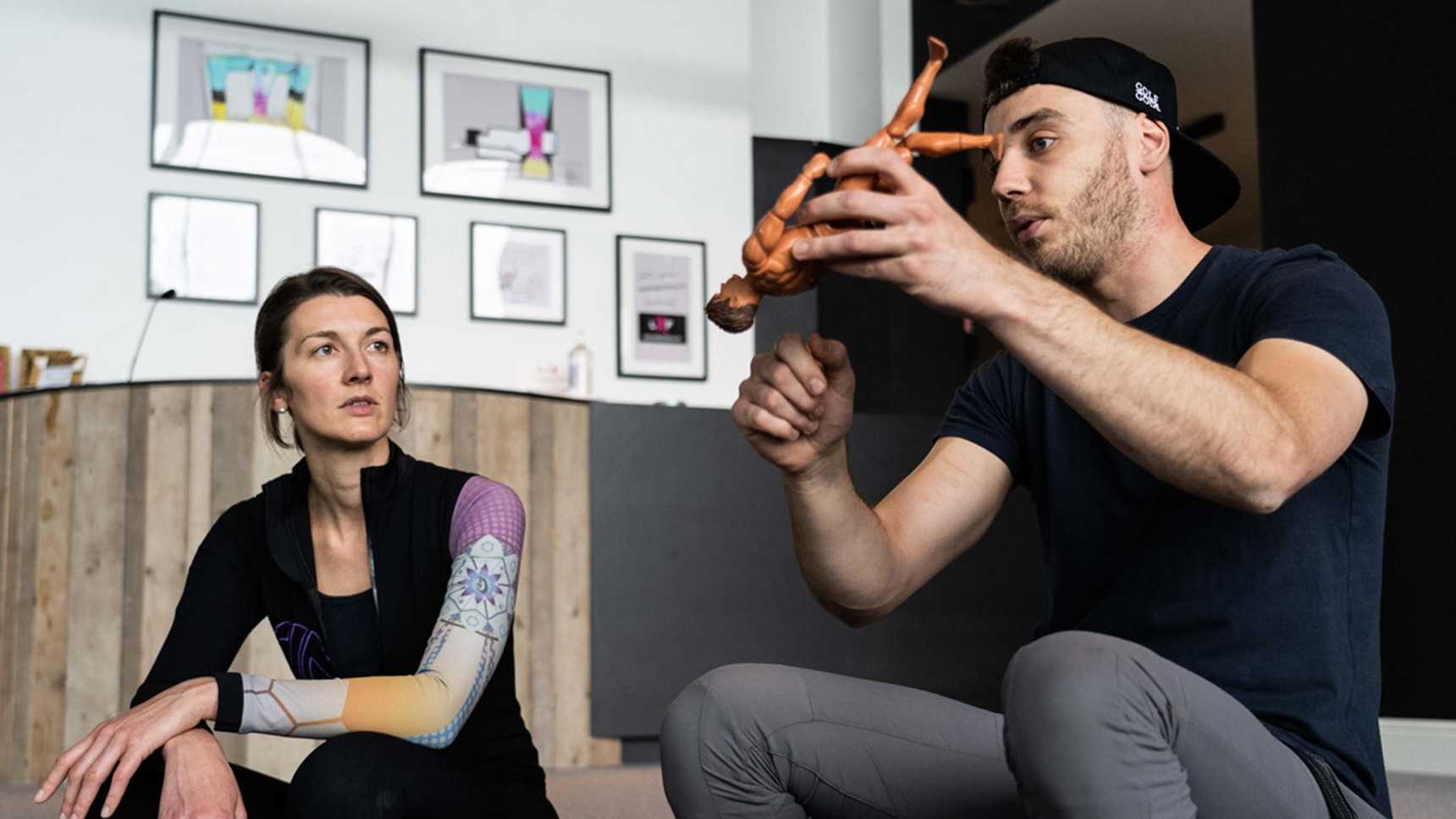
If you don’t know what to improve, you can’t improve it. Ten solo jumps with the same mistake will cost you more than one useful coached jump. As long as your coach explains what to do, you just need practice and time. There is nothing worse than flying the same move with the same mistake again and again and again.
Good Equipment
You don’t need to spend money on a super skinny suit to look like a coach. You’ll learn slower and spend more money in the end. Take a cheap, baggy suit that fits you perfectly. That will help you learn quicker, fly better, and be happier.
I flew 150 hours in a baggy suit before switching to a skinny one. When you think about it, you don’t learn to drive a car in Formula 1 machinery. Adjust your equipment to your needs.
Do It for You
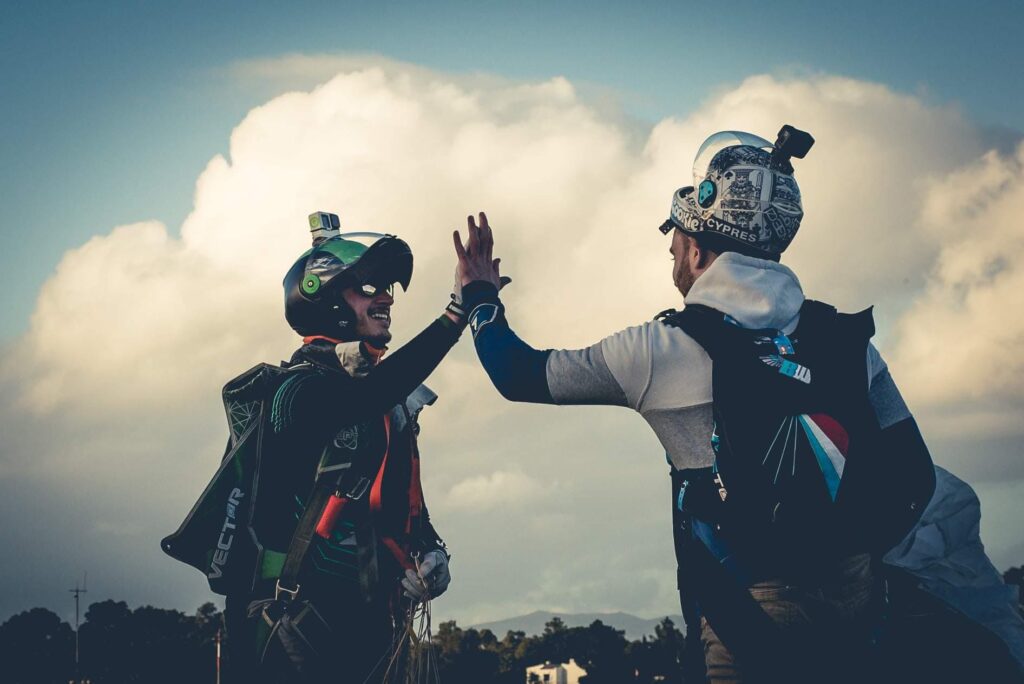
Don’t compare yourself to others. You don’t progress for them. Accept that there will always be someone better, younger, or faster than you. Investing time in yourself, for yourself, will always be more valuable and will help you progress quicker.
Fly With Your Friends
There isn’t always a need for a coach. Jump with your friends. Fly, jump, then fly some more. Have fun. Change drop zones to meet new people. And if you don’t make friends easily, remember that skydivers like the after-jump beer.
Enjoy your new skills and share them with your friends. Isn’t that why you trained so hard?
Last but not least, sharing sessions make flying cheaper. The more you fly, the better you’ll be. Every tunnel in the world regularly organizes sharing sessions (huck jams) for similar flying levels, and they are one of the best ways to meet new people and progress for a lower price.
Enjoy your learning, improve, keep grinding so you can learn something new in your next coaching session.