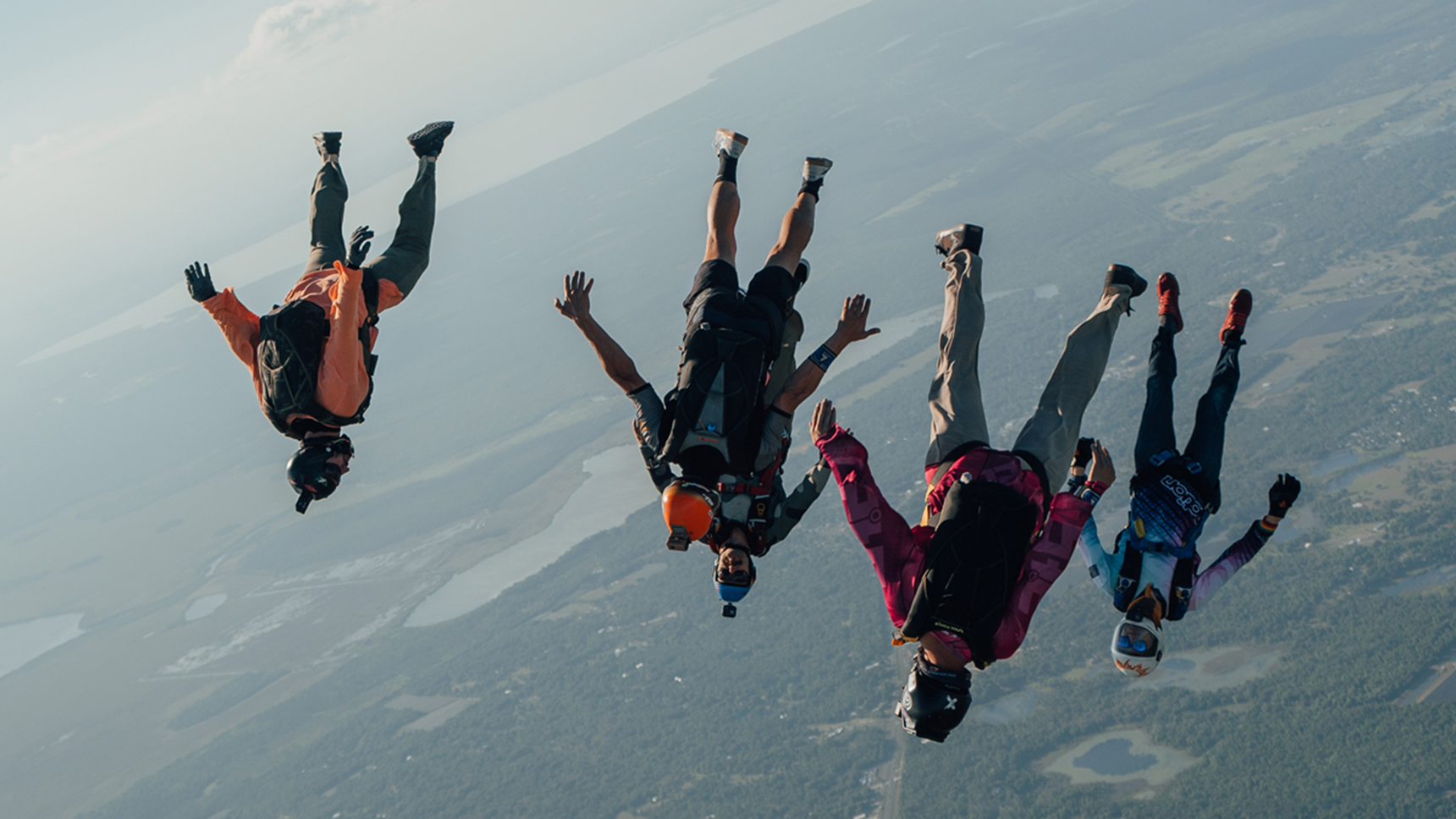





This year is a big year for modern freeflying in Australia, with angle flying officially being included in the Australian National Skydiving Championships for the first time.
While movement-based competition flying has existed for many years through pioneering disciplines such as atmonauti, created by Marco Tiezzi, this was one of the first major integrations of modern angle flying into a national championship structure. For me personally, it was a really proud moment.
Over the years I’ve spent a lot of time running angle camps, progression events, competitions, coaching programs, and developing pathways for newer and experienced flyers alike through Downunder Dynamics. This felt like a natural evolution of this style of flying.
Building the Format
The goal with this competition format wasn’t simply to create another freefly event. I wanted to build a structure for angle flying that could be judged similarly to other skydiving disciplines, while still allowing both beginner and advanced flyers to compete within the same evolving dive pool. I also wanted the dive pool to progressively increase in difficulty while still maintaining clear foundations throughout all levels.
The format incorporates older grip and movement concepts from atmonauti while combining them with modern head-up and head-down angle flying, transitions through the vertical axis, mixed orientations, navigation, and dynamic movement.
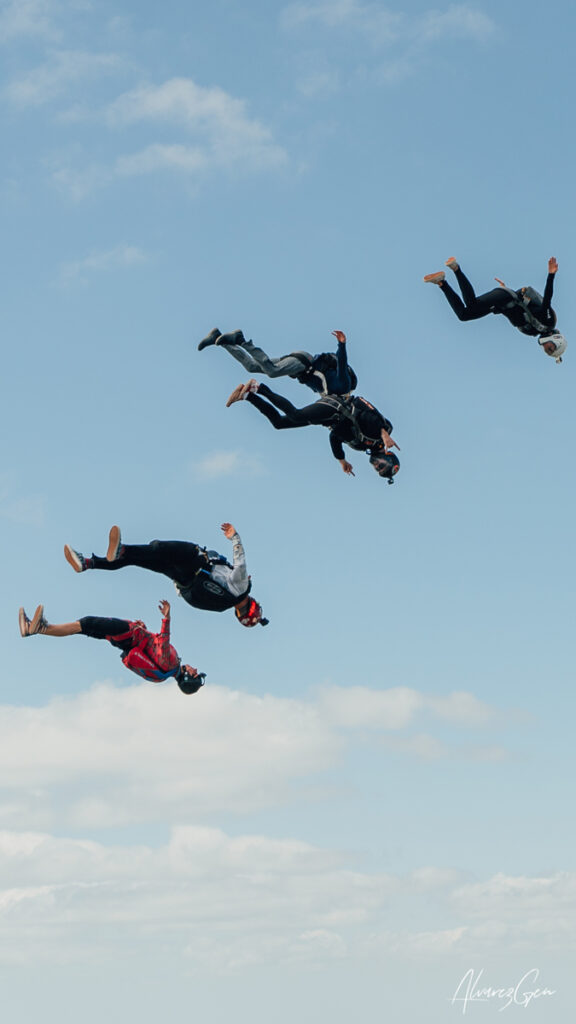
Rather than focusing on single orientations, the dive pool was designed around the way modern movement flying actually looks today. Belly, back, head-up, head-down, and transitions between them, all while maintaining line of flight and synchronization.
Navigation and Judging
One of the biggest defining features of angle flying is navigation. Unlike traditional freefall disciplines, competitors are required to maintain a defined line of flight throughout the skydive while still performing technical formations and transitions. Heading control, line consistency, separation, and opening direction were all included within the judging framework.
As expected with the introduction of any new discipline, the event also sparked some valuable discussion around judging interpretation, progression, and safety. One of the main discussion points involved navigation scoring and whether large heading changes should still be penalized if they didn’t create an immediate safety issue.
Personally, I believe holding a heading and maintaining your intended line is part of the actual skill of angle flying itself, not just a safety requirement.
Progression and Discussion
Another topic that came up was whether some formations in the dive pool, particularly more technical docks such as the foot-to-head random, may be too advanced for intermediate divisions in the early stages of the discipline’s development. Honestly though, I see these discussions as a positive thing.
It shows that angle flying is now being treated as a real competitive discipline with its own evolving standards, judging philosophies, and progression. Every established skydiving discipline has gone through similar stages while refining its format and identity.
Looking Ahead
From all reports, the event ran really well overall and generated strong interest throughout Nationals. For me, this wasn’t just about getting angle flying into Nationals. It was about helping create a structure that allows the discipline to continue growing while still reflecting the way modern movement flying is evolving worldwide.
This feels like a really important step for angle flying within Australia, and I’m excited to see where it goes from here.
For anyone interested, the rule book is available for download here: