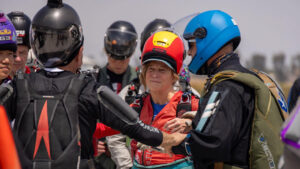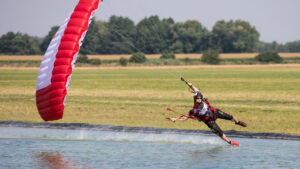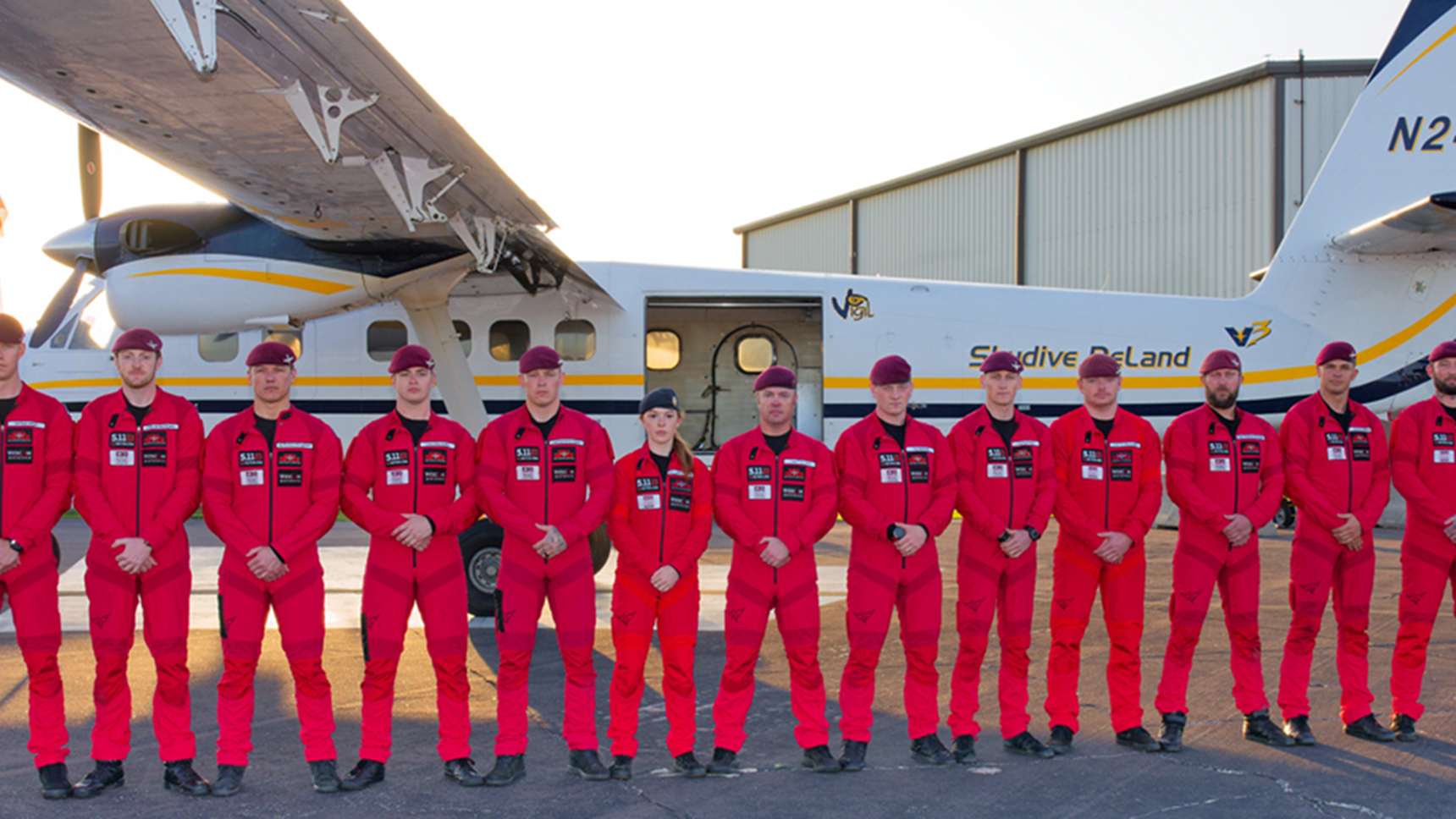





Behind the smoke, flags, and stadium landings, the British Army’s Red Devils operate as a small, high-output team balancing military professionalism, elite parachuting, and public engagement. We spoke with the team about training, pressure, culture, and what the public never sees behind the displays.
Q: For people unfamiliar with the Red Devils, how do you describe the team and its purpose beyond “a parachute display team”?
The Team primarily exists to help bridge the gap between the British Military and the public. Our aim is to perform high standard displays, showcasing the British Army and once we land, interact with the crowd. There may be questions people have about life in the Army, and we are there to give them the opportunity to ask them.
Q: What surprised you most after joining the team that the public probably never sees?
There is a huge amount of background work that goes into a display. The planning process for a display can start months before the actual jump itself.
Q: Does wearing the Red Devils uniform feel different from representing yourself as an individual skydiver?
When we are in public, in our jumpsuits we very much feel as if we are representing the team and the Army as a whole. Most of the time people will know nothing about skydiving, so any personal accomplishments are by far surpassed by the reputation of the Team.
Q: The public sees smoke, flags, and intense canopy formations. What are they not seeing behind the scenes?
We’re a small Team, only made up of 14 members with a fairly large output. So behind the scenes we are at 100mph constantly throughout the season. On top of being display jumpers every member of the team has secondary roles – social media, aircraft coordinator, display coordinator, rigging etc.
Q: Is the role of the Red Devils ultimately performance, recruitment, diplomacy, morale… something else?
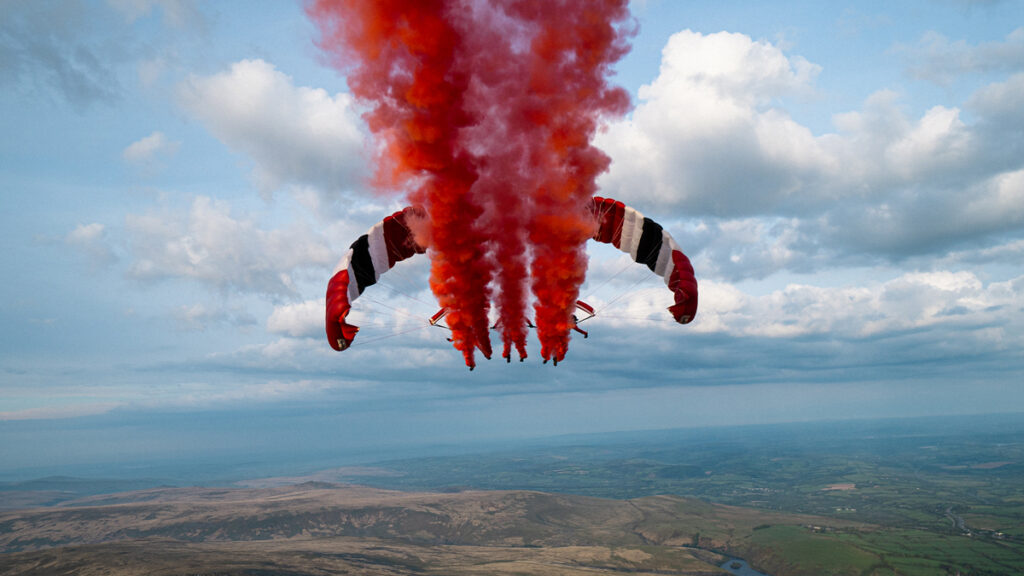
We are also passionate about the sport. We do our best to advance skydiving, by trying to come up with ideas of things that haven’t been done before and putting them to the test when we can. But we also want people to get involved, people may watch a display and book their first tandem or AFF course, which is great too.
Q: What kind of person thrives on this kind of team?
When we select individuals to join the team, skydiving ability is the last thing we look at. We are on the road and in each other’s space, 24/7 for months of the year. So we want team players, trustworthy people who can do the work required without being prompted. Skydiving ability can be taught later when you get to the team.
Q: Does representing a military institution create a different sense of pressure compared to civilian display teams?
There is an extra layer of responsibility. We are very aware that when we are in the public eye, we represent an organisation much bigger than ourselves.
Q: What separates a good military parachutist from someone capable of performing on the Red Devils team?
We believe that any skills can be taught to anyone who is willing to learn. So with the military mindset of always wanting to improve, all you need is a passion for the sport.
Q: What standards are non-negotiable on a team like this?
We like to push the boundaries, but safety is paramount. Having the maturity and self awareness to look after yourself and your teammates is something we take very seriously.
Q: Walk us through your training schedule and how you operate as a team.
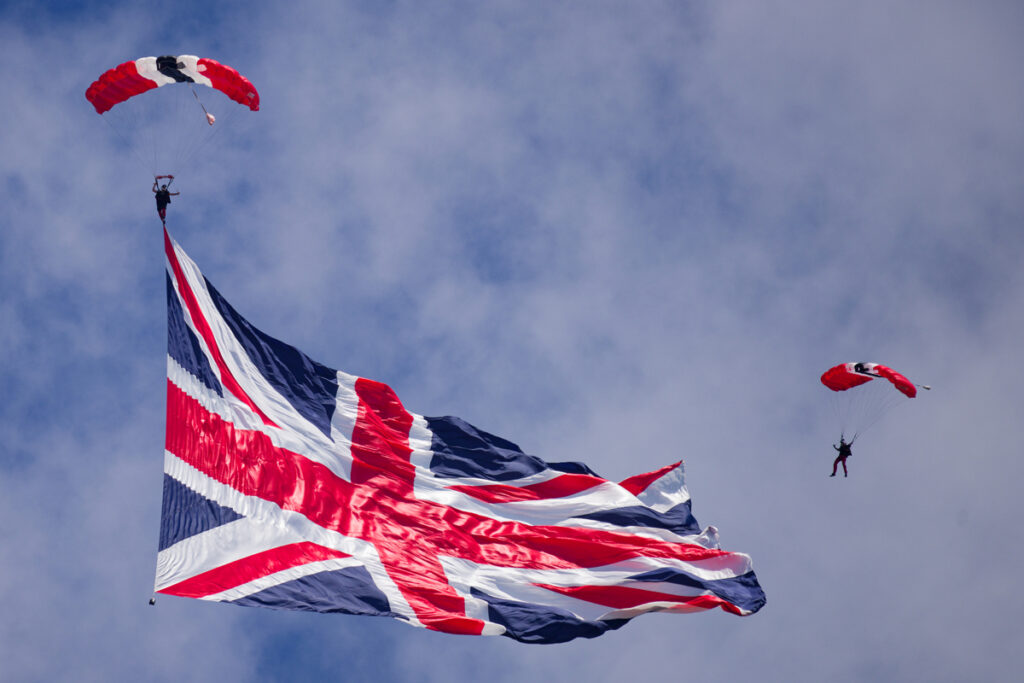
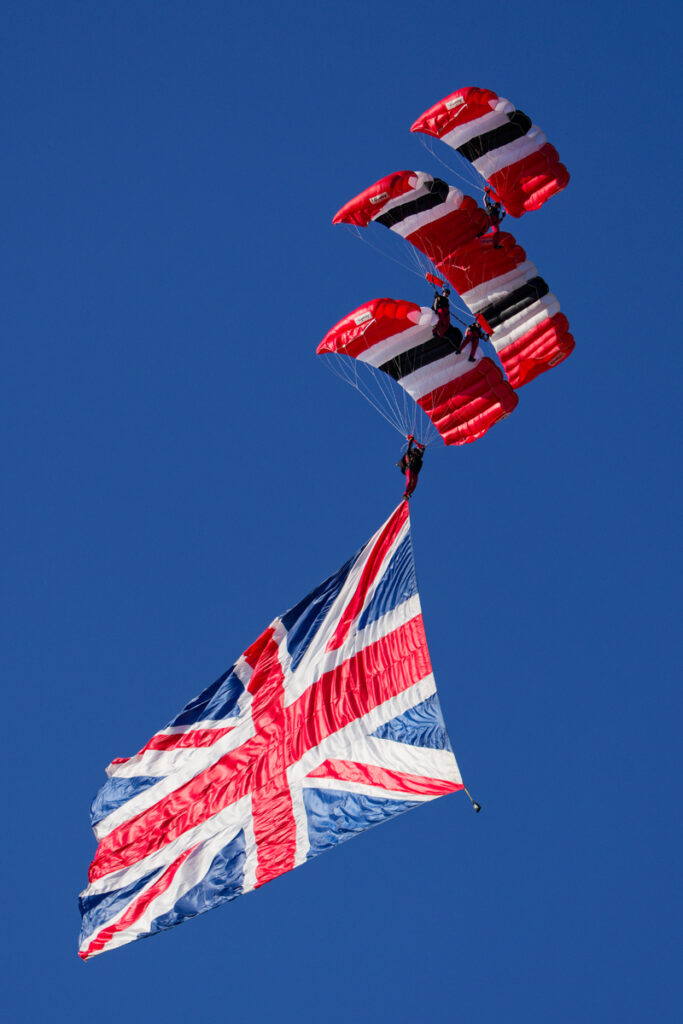
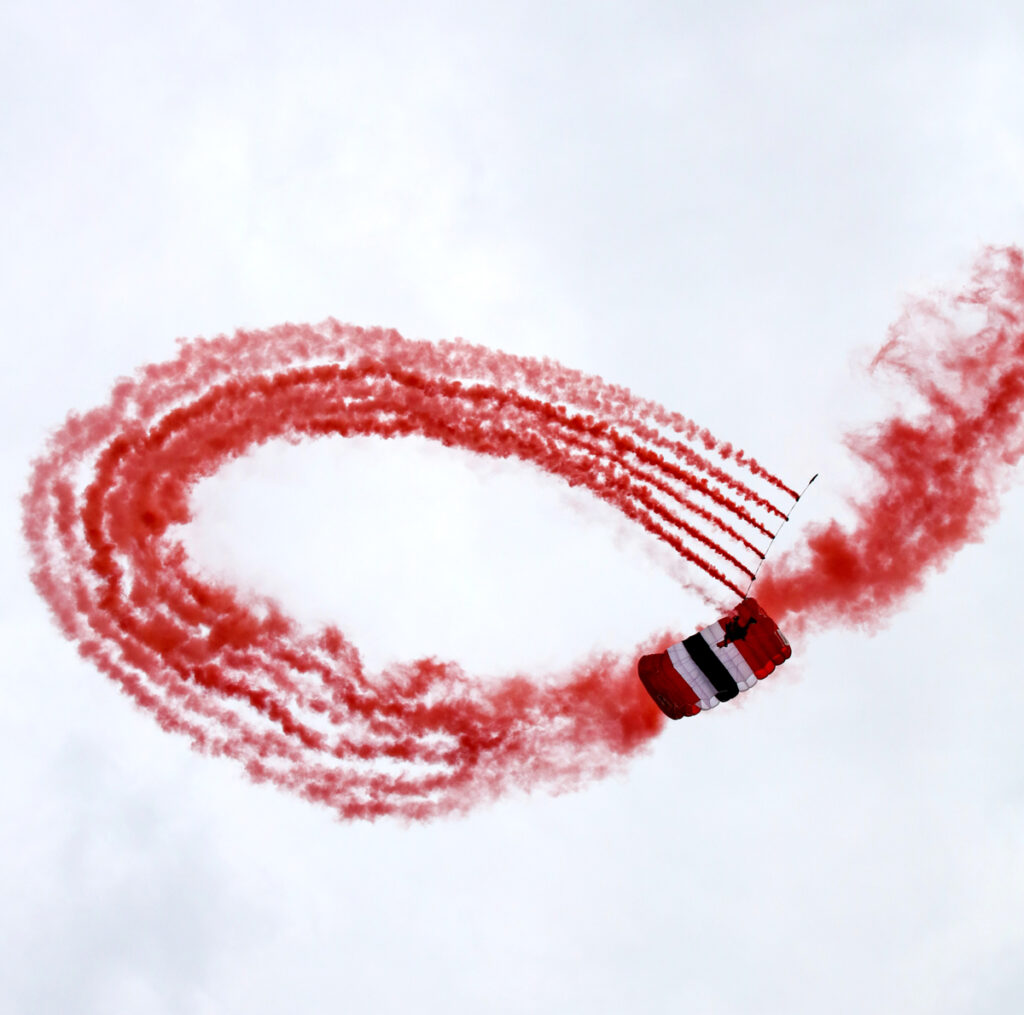
At the start of the year we do our main annual training package at Skydive DeLand. We do roughly 100 jumps each in a 3 week period. We train for every type of display we may have, from low shows at 1700ft over central London to high shows where we may land a Diamond CRW formation and our large flags. Every jumper is assessed over those three weeks and will be cleared for displays that year if they are up to the standard required.
Back in the UK training doesn’t stop, we will often have training days between displays to remain as current as possible. On top of the display training, we still try to find time to do the things we are most passionate about, we do our best to keep fun jumping when we can.
Q: Is there still a connection between military parachute teams internationally?
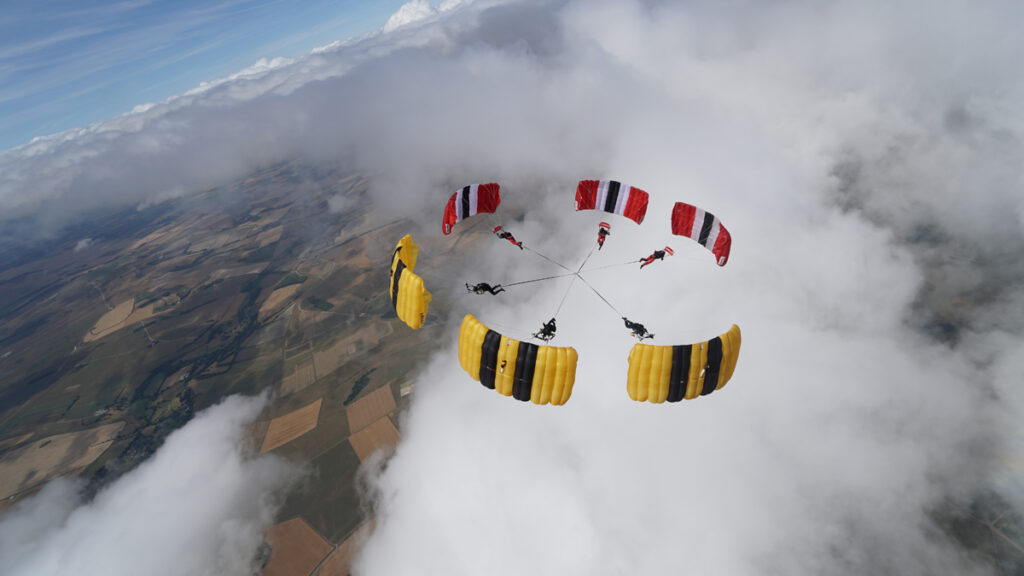
The Red Devils and the Golden Knights still have a very strong relationship. We still train and demonstrate together every year. The Hex last year was a joint effort between the two teams.
Q: Military parachute teams seem to exist between sport, ceremony, and operational culture. How would you describe that balance?
Each element compliments the other. That balance is what makes the military teams what they are.
Q: What traditions inside the team still matter deeply today?
Apart from the rare exception, The Red Devils solely recruits from The Parachute Regiment. So before we are Red Devils, we are very proud members of our Regiment.
Q: Do you still feel connected to the WWII history behind the “Red Devils” nickname?
We are still very proud of the name. The soldiers who earned us the nickname were exceptional, and it’s a privilege to carry the name.
Q: In display parachuting, how do you avoid complacency over time?
We as a team remain very aware that display parachuting is unique in the sense that no jump is the same. We are also self critical. After every display we get together as a team and in an open forum, we talk about what we could have done better. If mistakes were made we make sure everyone is aware of them to prevent them in future.
Q: After all the jumps, displays, and years representing the Army, what do you hope people actually remember about the Red Devils?
We want people who meet us to talk positively about meeting us, the displays are secondary to the interactions we have with people on a personal level.
Q: What do you think parachuting teaches people about themselves that very few other environments can?
Confidence, especially early on in your skydiving journey. Your ability to overcome fear and trust your own abilities can translate into all aspects of life.
Q: What’s one lesson from the military or the Red Devils that applies far beyond skydiving?
The Military puts people in positions where they are required to remain calm, and think clearly in challenging conditions. Similarly, so does display parachuting. I believe this is a transferable skill that you can take with you anywhere in life.
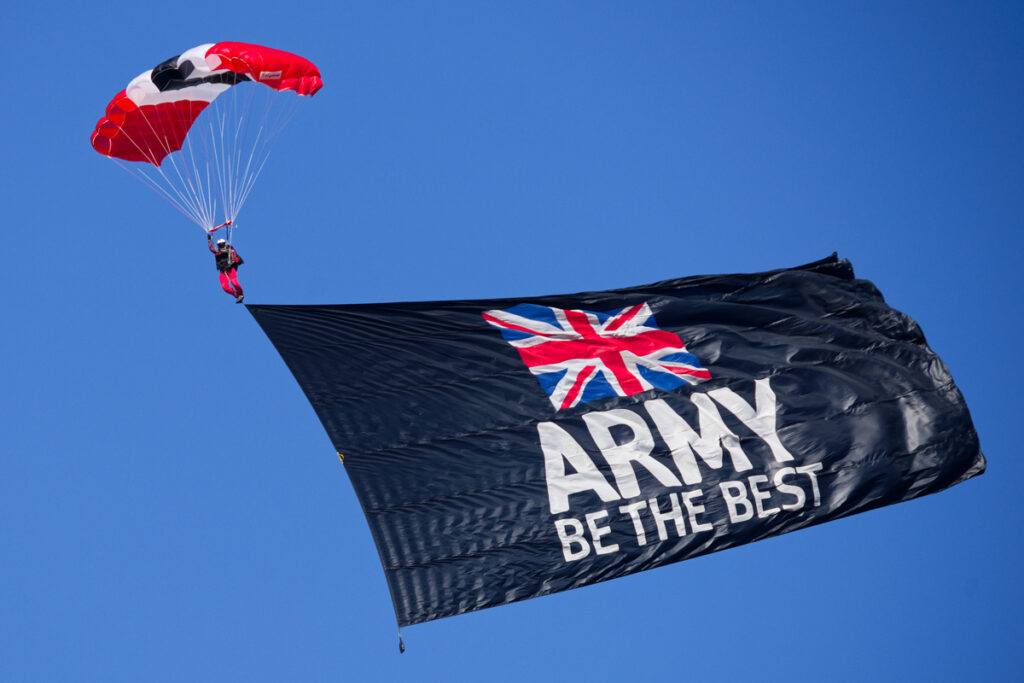
Q: What do you hope younger soldiers or newer jumpers take away from watching the team?
Hopefully they see that there are fun and adventurous jobs out there. If there’s a group of soldiers just jumping out of planes and talking to people, what else is there?
Q: What part of the role are you proudest of that the public probably never notices?
I’ve mentioned before about the work that goes on behind the scenes. It wouldn’t be an unusual sight to walk into our team hanger and still see Red Devils in there long into the night. Either in our rigging room, building and maintaining equipment, or in the offices ensuring all the administration is in order. All to make sure we can deliver the best displays we can.