




Sunshine Factory’s Chris Stubbs with the complete guide to choosing a helmet for skydiving
Walk into any busy drop zone or gear store and you’ll hear the same questions again and again:
Which helmet should I buy? Do I really need a full-face? Why do these all fit so differently?
For newer jumpers, helmet shopping can feel overwhelming. A helmet is often one of the first major gear purchases you’ll make, and it’s one of the most personal. The right helmet should feel natural and comfortable. The wrong one can be distracting, fatiguing, or even unsafe.
At Sunshine Factory, owners Chris Stubbs, Rachel Beck, and Stephen Beck work with jumpers at every stage of the sport and carry helmets from the industry’s leading manufacturers. One thing becomes clear very quickly: there’s no single “best” helmet, only the helmet that fits you properly and matches how you fly.
Start With the Basics
Before worrying about brand names or appearance, focus on a few core factors:
What kind of flying will you be doing?
Belly flying, freefly, angle flying, and wingsuiting all place different demands on stability, noise reduction, and visibility.
What accessories will you fly?
Audible altimeters, cameras for more experienced jumpers, and communication systems all require space and compatibility. Most modern helmets offer safe, well-designed options for these additions.
What kind of comfort are you looking for?
A helmet that feels fine for one jump may become uncomfortable over a long skydive or a full day at the drop zone.
What is your head shape?
Helmets in the same size can fit very differently depending on their internal design.
This is why trying helmets on and getting guidance from experienced gear professionals matters so much. On paper, many helmets look similar. On your head, the differences are obvious.
Open-Face vs. Full-Face: Which Is Right for You?
One of the first decisions most jumpers face is choosing between an open-face and a full-face helmet.
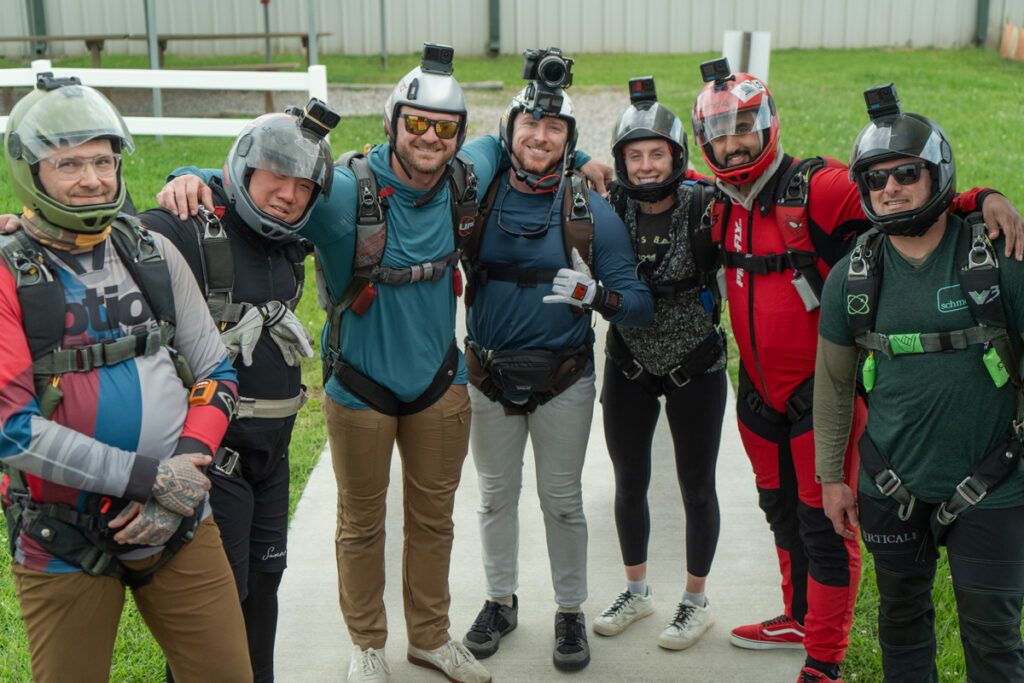
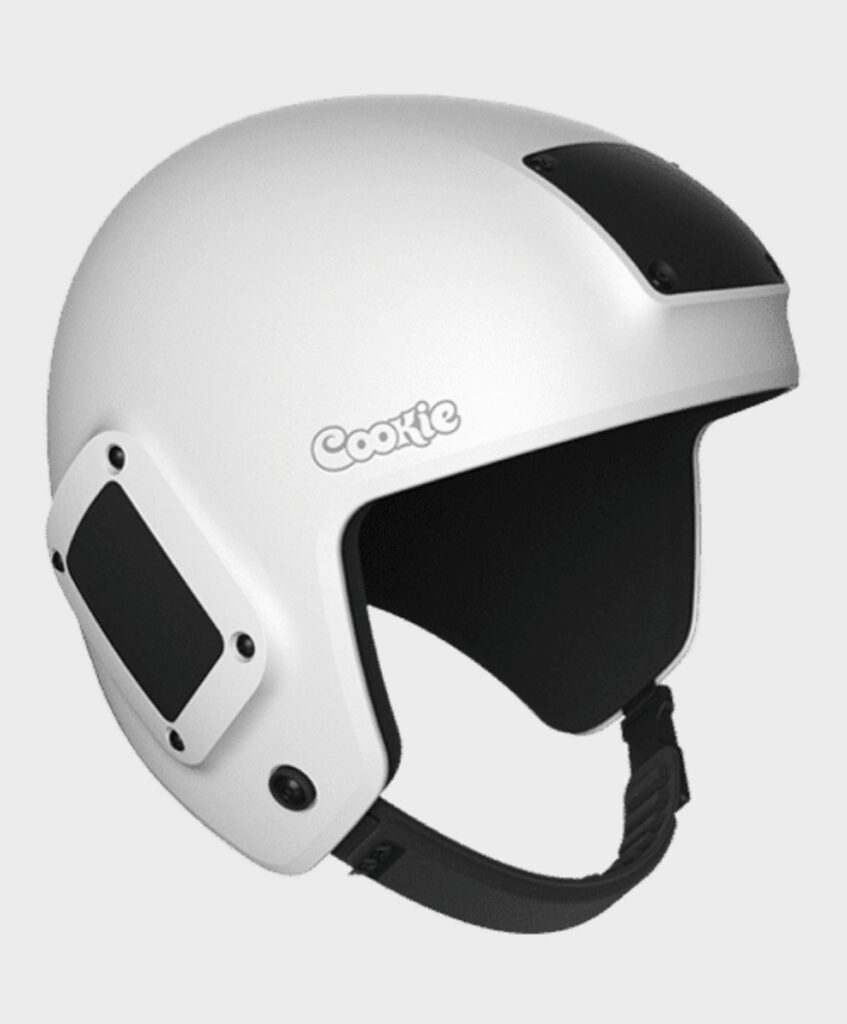
Open-face helmets leave your face exposed and offer maximum awareness, airflow, and ease of communication. Many newer jumpers use them while building experience, especially during AFF and coaching jumps. They’re simple, lightweight, and easy to live with day to day.
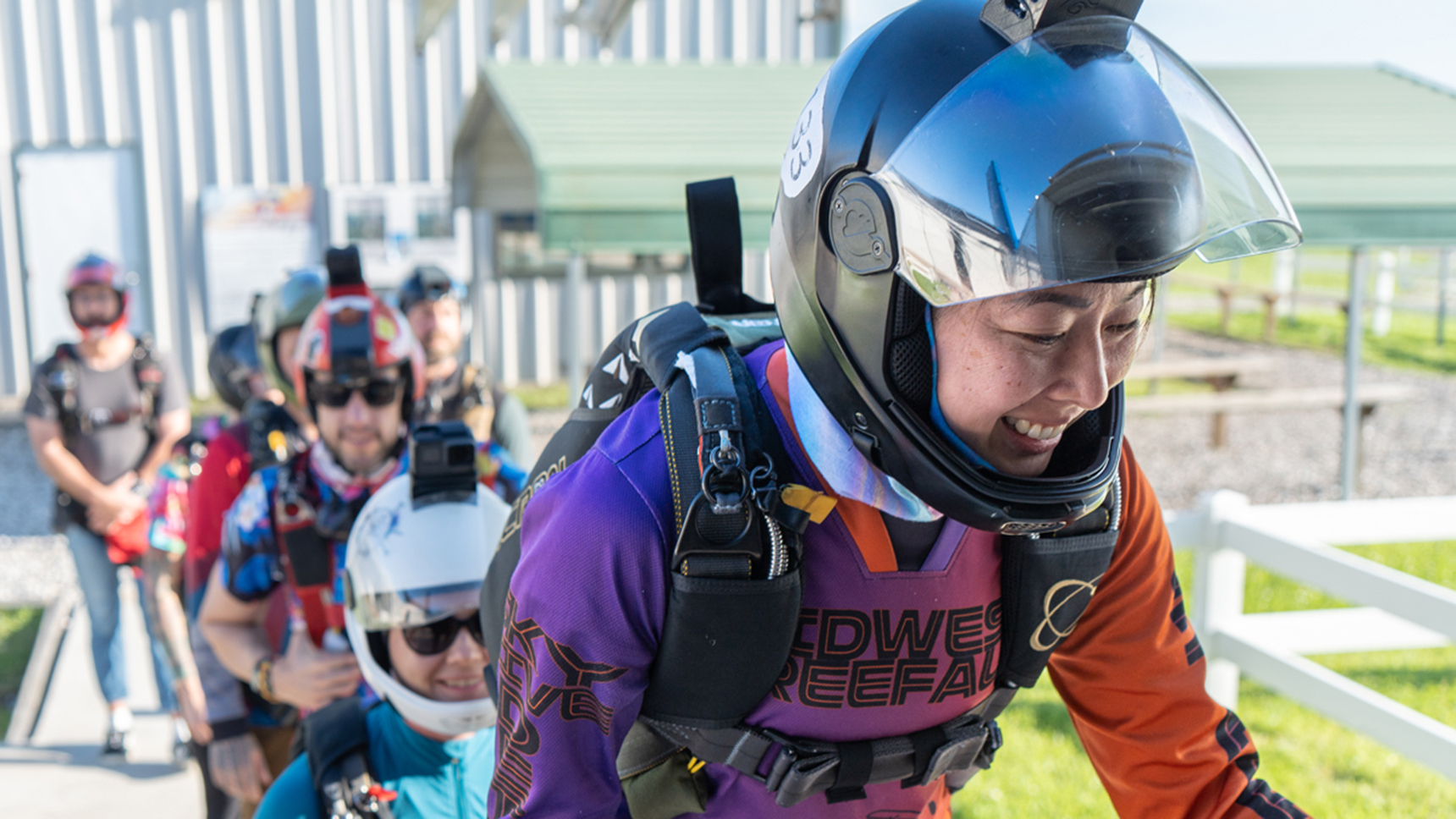
Full-face helmets provide more protection, better noise reduction, and increased comfort in faster flying environments. They’re popular with freeflyers, angle flyers, and jumpers who want less wind fatigue and distraction. Modern full-face helmets also offer excellent visibility and reliable visor systems.
Neither option is universally better. The right choice depends on your experience level, discipline, and personal comfort. At Sunshine Factory, it’s common to see jumpers start with open-face helmets and transition to full-face as their flying evolves, though many experienced jumpers happily use both.
Popular Helmet Options at Sunshine Factory
Cookie Fuel
A trusted open-face favorite.
The Cookie Fuel is one of the most popular open-face helmets in the sport. It’s lightweight, comfortable, and stable, with padding that feels secure without being restrictive.
For jumpers transitioning out of student gear, or anyone who prefers an open-face helmet, the Fuel is a versatile option that works well across multiple disciplines.
Cookie G4
A confidence-building first full-face helmet.
The Cookie G4 is widely respected for its focus on impact protection and comfort. With effective noise reduction and a dependable visor system, it’s often recommended for jumpers purchasing their first full-face helmet.
Its forgiving fit makes it a strong option for a wide range of head shapes and experience levels.
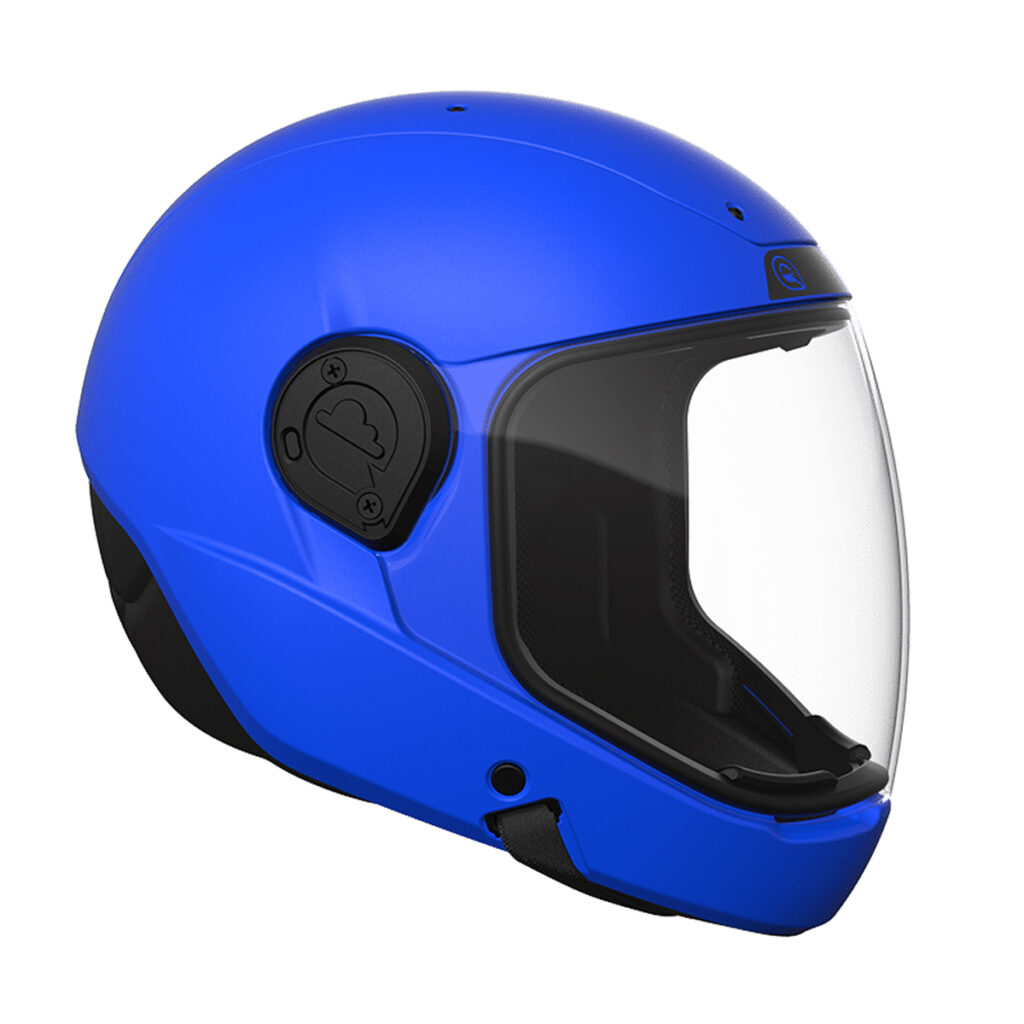
Cookie G35
Streamlined and performance-oriented.
The G35 offers a lighter, lower-profile feel than the G4 and excels in freefly and camera-friendly applications. Visibility is excellent, and the helmet feels agile at speed.
This is a strong choice for jumpers who want full-face protection without added bulk.
Tonfly TFX 2.5
Precision fit for dedicated flyers.
The Tonfly TFX 2.5 is known for its snug, tailored feel and attention to detail. Stability at speed and multiple configuration options make it especially appealing to committed freeflyers.
This helmet rewards careful sizing and setup, which is why hands-on fitting is so important.

Tonfly TFX Full Face
Customization and craftsmanship
Tonfly’s broader full-face lineup emphasizes personalization, offering different padding and liner options. These helmets are often chosen by experienced jumpers who know exactly how they want their helmet to feel.
Sky Helmet
Simple, durable, and dependable
Sky Helmets focus on practicality. They’re comfortable, durable, and compatible with common accessories, making them a solid everyday option for jumpers logging a high number of jumps.
Final Thoughts
The best helmet isn’t the most expensive. It’s the one that fits your head, your flying style, and where you are in your skydiving journey.
That’s why working with a gear store that carries multiple top manufacturers and understands how this equipment performs in the real world matters. Trying helmets on, asking questions, and getting honest advice can make all the difference in that purchase.
A helmet should fade into the background and let you focus on the skydive. In a sport where small details add up quickly, choosing the right helmet is one decision worth taking your time on.