




From handle checks in the aircraft to visualization and drills on the ground, Jeffro, Julia Botelho, Ewan Cowie and others share how they keep their BASE and skydiving emergency procedures current
Julia Botelho, USA
I actually practice my EPs before every jump in the airplane. It’s just part of my routine now, and I don’t even think about it; it just comes naturally. Also, because I fly a wingsuit, before every jump I make sure to check that my handles are out of my suit, always bringing the zipper down to ensure this.
I’ve had two high-speed malfunctions in a wingsuit, with my arms fully zipped and the suit pressurized. With the pilot chute out but no canopy or deployment bag out, I had a hard time using both hands on a handle. I noticed that both times I used one hand on each handle: the cutaway and reserve handles.
It was easier due to the pressurization of the suit and my arms being zipped.
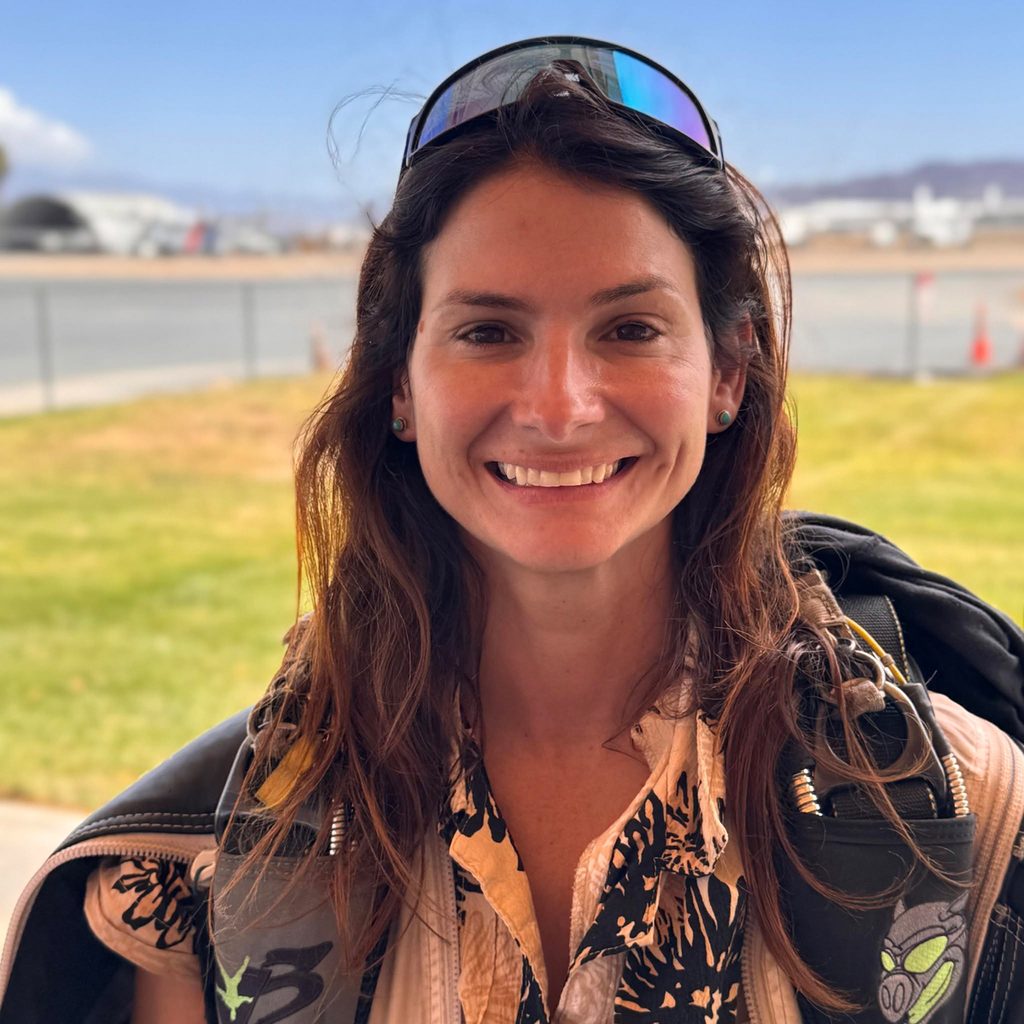
Ewan Cowie, Europe
Practicing emergency procedures is important because, if you keep skydiving, it’s not a matter of if you have a cutaway; it’s a matter of when. That being said, I personally managed to go almost 6,000 jumps between cutaways, though I have had two since then.
So how did I keep my EPs current? Being an AFF instructor helps a lot; because I am constantly demonstrating EPs to students, it kept my personal procedures current as well. I don’t do so much AFF these days, but after a certain amount of time in the sport, especially as an instructor, I think the procedures become so drilled in that they are mostly automatic, as long as you refresh them periodically.
So what can refreshing EPs look like? An obvious one for me is when you come to the end of your repack cycle: you can perform an actual cutaway and reserve deployment on your own gear. To me, this is especially valuable because the handles are obviously in the correct position for your gear, and you experience the real resistance and pressure required to pull the handles in real life.
Another way to keep them current is to periodically touch your handles in the plane and visualise the sequence of pulling them in the event of a malfunction. As skydivers, we have a lot of time in the plane on the climb to altitude when we don’t have much to do, and visualising in different ways is an extremely valuable way to make use of the time in a productive way.
If you skydive regularly all year, doing this should be enough to keep those EPs current, but if you have a long layoff, such as over winter, it is more important to schedule some drills to really refresh those EPs. Asking an instructor or other experienced jumper to assist you by outlining different scenarios, using pictures or videos if possible as prompts, and doing several repetitions with no mistakes can really help bring those EPs back into the front of your mind.
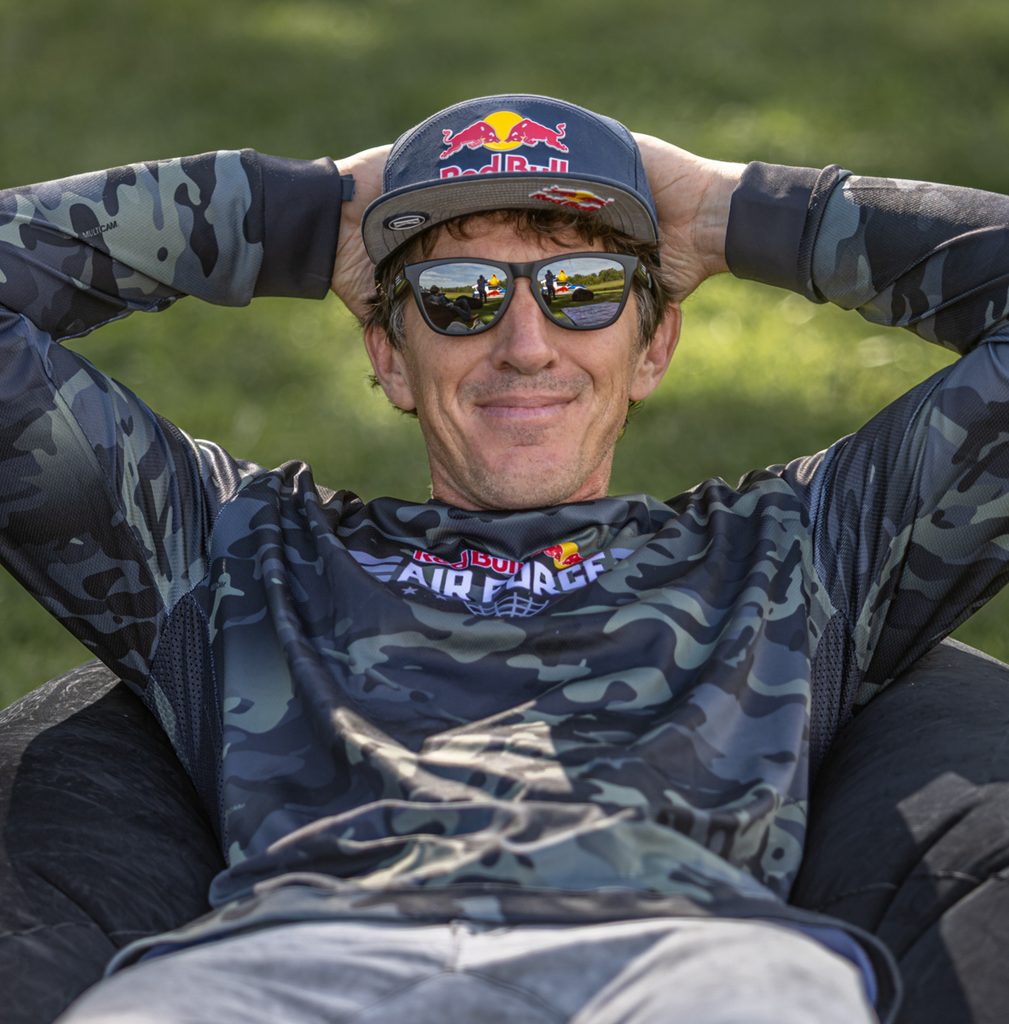
Jeff “Jeffro” Provenzano, USA
At this stage of the game, I’m not getting in a hanging harness and practicing EPs all the time. I’ve had enough cutaways and enough reserve rides over the years that I know what that feels like. For me now, it’s really more about staying current and, honestly, trying to prevent the emergency before it ever happens.
A lot of shit is preventable.
Take care of your gear. Do your pin checks. Touch your handles. Pay attention to the weather. Don’t jump in crappy conditions just because everybody else is jumping. And don’t rely on somebody else to make sure your shit is right. Be self-reliant. It’s your gear, your jump, your life.
I remember one time I was walking to the airplane and a friend gave me a reserve pin check. The pin was basically sitting right on the edge of the inside of the grommet. I still don’t know how the reserve hadn’t fired. Somebody could’ve bumped my rig and it probably would’ve gone. And I remember thinking, holy shit. I was jumping a ton, I was super current, and I still let something that basic get that close.
That stuck with me. Being current doesn’t mean you get to be complacent.
Before I jump, I always touch my handles in the order I’m going to use them. I make sure everything is seated, nothing is hanging out, nothing feels weird, and I actually grab the handles the way I would if I had to use them. It takes two seconds.
And then visualization is huge for me. Huge.
Visualize the jump. Visualize what could go wrong. Visualize seeing the problem, making the decision, and doing the right thing. I’ve always been big on visualization, not just with EPs but with skydiving in general. Your brain has already been there before you actually get there.
So I guess the way I practice EPs now isn’t really sitting there doing pull-pull-pull over and over again. It’s more staying aware, staying current, taking care of the little things, not getting lazy, and constantly running scenarios through my head.
After doing this for as long as I have, one of the biggest lessons is pretty simple: don’t let experience turn into complacency.
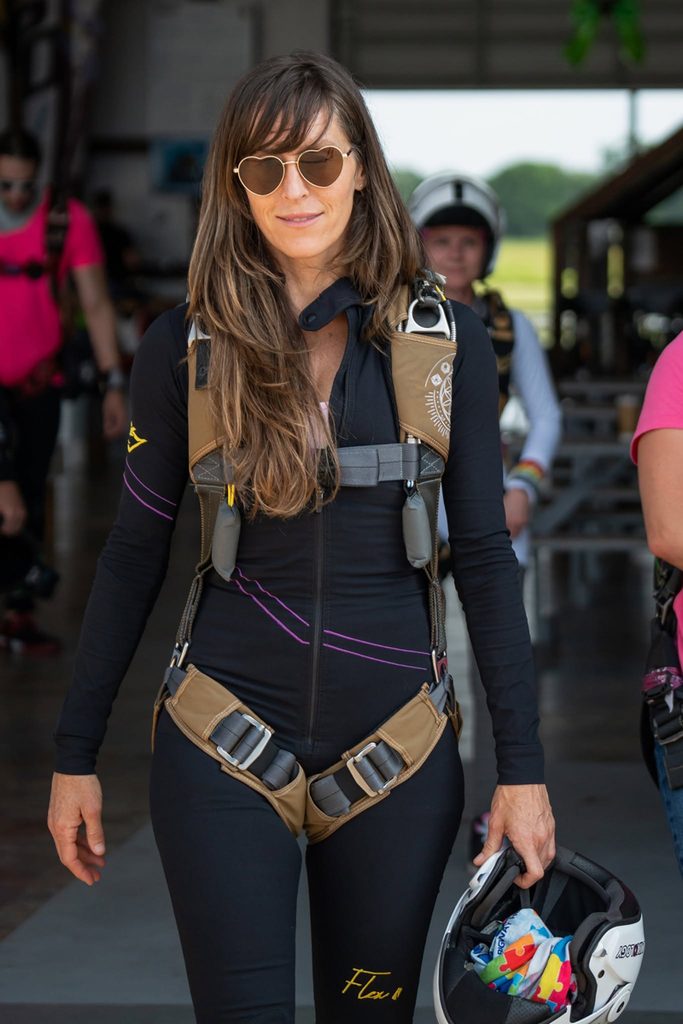
Alethia J Austin, USA
I’m surprised, nearly every ride to altitude, at how little new jumpers seem to touch their gear on the plane. I remember that stage; the rig didn’t make a lot of sense to me and I didn’t really understand my gear outside of the basics. So, I touched my handles and twisted my three rings thinking that was it, but knowing there was more that I was missing and a bit too afraid to ask.
Fast forward 20 years later and my EPs are a huge part of my skydiving processes. When I’m practicing on the plane, I close my eyes, take a deep breath and practice cutting away, I practice going straight to my reserve, I practice grabbing my skyhook. I do this multiple times on the plane, sometimes just as practice touches, other times I’m imagining a certain scenario and how I’d handle it. I try to remind myself every day, that today could be a cutaway. Reminding myself I’m not immune to it helps me stay focused and sharp. I don’t want one and more so I don’t want to be caught off guard, so reminding myself it could happen today helps me.
Then there are slightly dramatic touches of my handles, checking my 3-rings (properly looking that the risers are connected, not that the rings turn), my chest strap is properly routed, and I touch my hook knife which I don’t see people practice often. These practice touches and gear checks are not for me, they’re for the younger jumpers who can see me do this. It’s what I hope is a reminder for everyone to do the same.
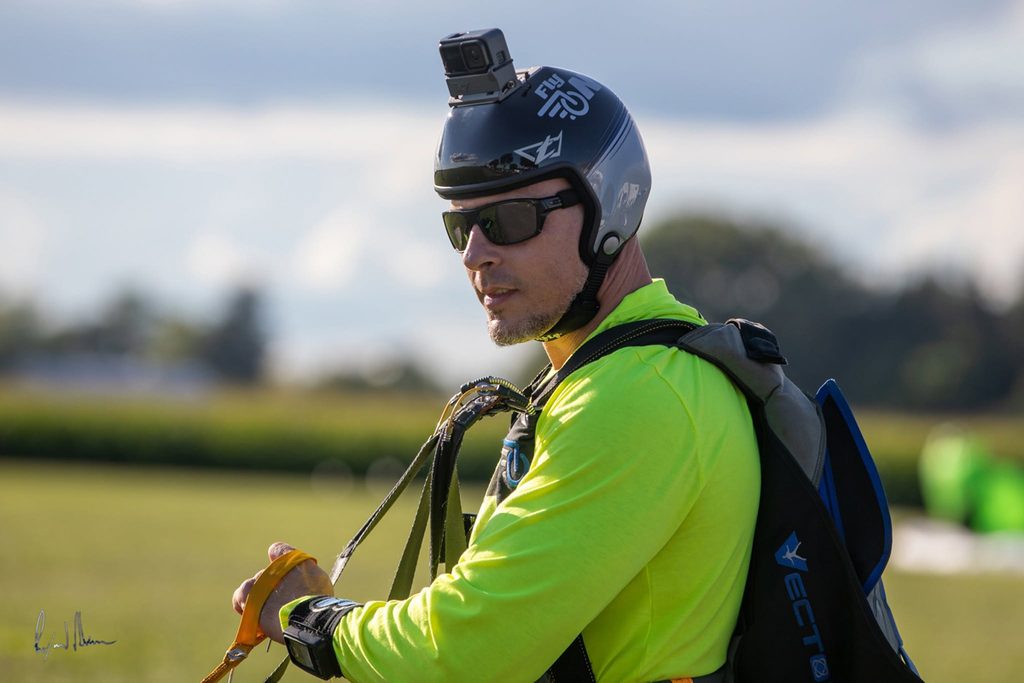
Paulo Pires, Brazil
I strongly believe in the power of mental training, not just for emergency procedures, but for everything we do in our sport. However, it’s especially important when it comes to emergency procedures, because that’s usually when you’re under the most stress, and you need to be prepared for anything.
Visualizing every step, thinking about everything that could potentially happen, imagining how you would react to each movement and how the situation might develop, and, of course, regularly checking your equipment and practicing your emergency procedures are all essential to being prepared and reacting properly in any emergency situation.
When the mind is prepared, the body knows how to react.
Jodie Mayo, Australia
I’ve been in the sport for 10 years now, and up until year eight, I would practice every time before I boarded the plane.
Now, after a couple of cutaways, I don’t practice as often, but I do try to do it at least once a day prior to boarding, usually before my first jump of the day. I also mentally run through them when I’m checking my gear prior to exit, physically checking that my handles are stowed and secured correctly and visualizing doing them if I have a malfunction.
I run a Skyhook, so my EPs haven’t changed much since I started, but I have spoken at length with other experienced skydivers who are on higher-performance canopies and don’t run Skyhooks, and their EPs differ from mine quite a bit. I do try to do them as often as possible to set a good example for my students, as it helps visually remind others to do theirs.